






 Portuguese
  Spanish


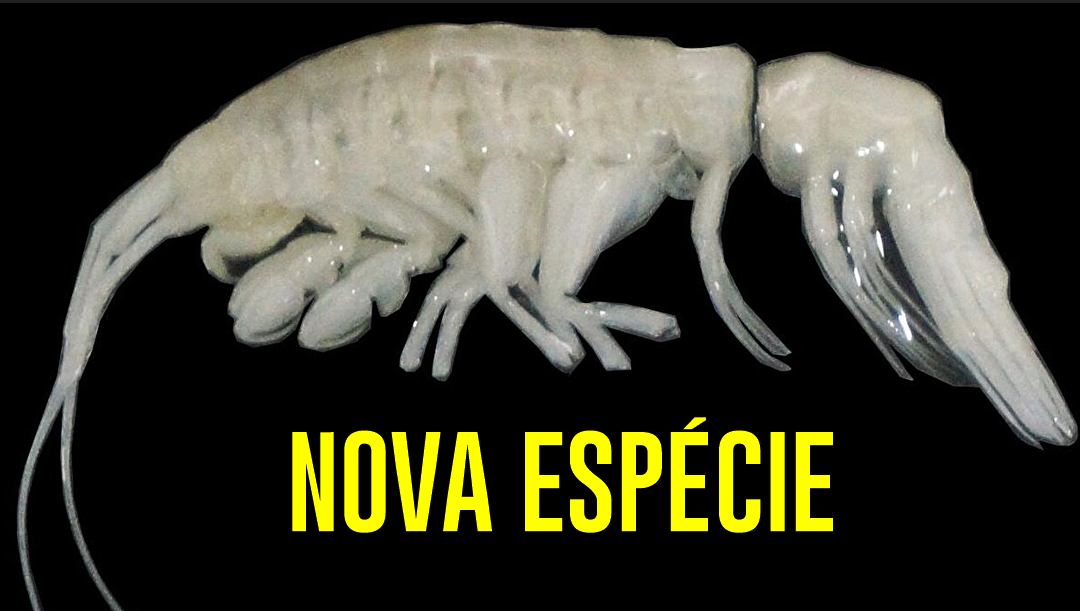


Chilean Scientists Identified An Active Predatory Crustacean Habiting Depths Over 8,000 Meters, Revealing Secrets About Extreme Life At The Ocean Floor.
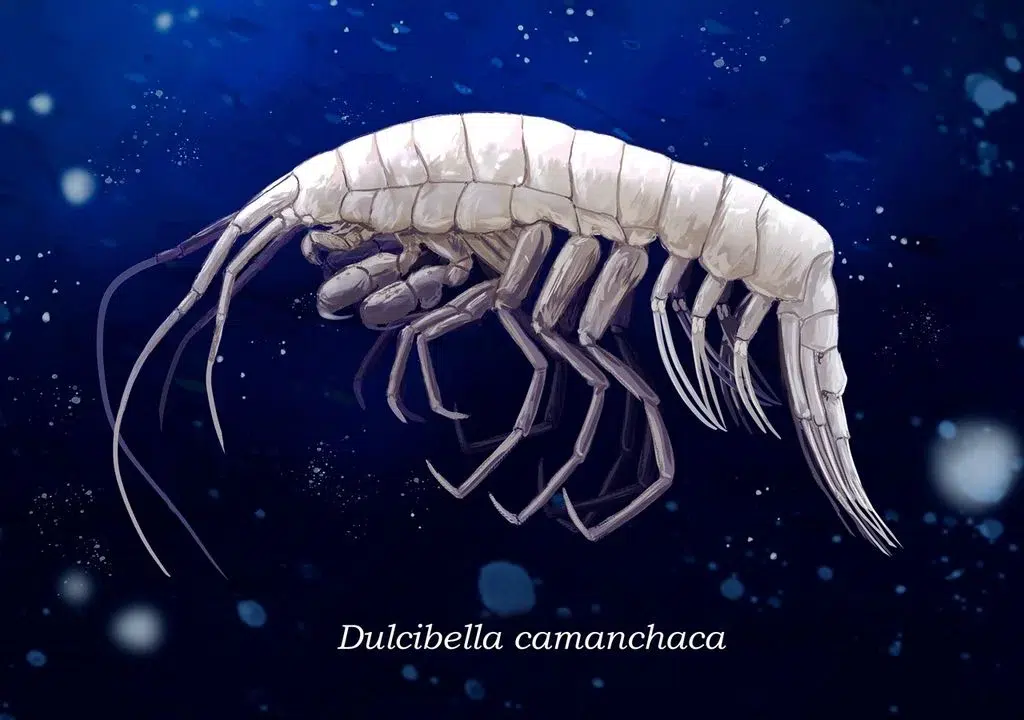
In the vastness of the South Pacific Ocean, a recent scientific discovery revealed one of the most enigmatic predators adapted to the extreme conditions of our planet Earth. Known as Dulcibella camanchaca, this new species of crustacean challenges everything we know about marine life.
According to experts, the animal can be described as a small monster from science fiction movies. It can inhabit the seafloor at over 8,000 meters deep, a place where sunlight never reaches and where there is crushing pressure.
The Meaning of “Dulcibella”
-
China Develops Custom 140-Ton Electric Mining Truck with 770 kWh Swappable Battery, Deploys 290 Units in Xinjiang’s Largest Zinc Mine

-
Meta to Launch Arena, a New Prediction App Targeting 3.56 Billion Users, Competing with Polymarket and Kalshi

-
Scientist Challenges Famous Human Evolution Theory, Argues Homo Sapiens Evolved Gradually Over Thousands of Years
-
15-Year-Old American Builds Ocean Generator with PVC Pipe and 3D-Printed Propeller for $12, Wins National Prize, Presents at White House, and Makes Forbes 30 Under 30 List




The name of the crustacean, “Dulcibella”, has origins in the indigenous languages of the Andes and is translated as “darkness.” This name refers to the extreme conditions in which it can survive, being located in the Atacama Trench, where researchers found it.
The animal has an unusual, almost translucent appearance, and does not exceed four centimeters in length. It stands out for its ability to survive in some of the most extreme conditions on planet Earth. Using its raptorial appendages, it hunts its prey with the efficiency of a highly specialized predator.
The Scientific Expedition And The Collection Of The Crustacean
The discovery of the crustacean was made by scientists from the Woods Hole Oceanographic Institution (WHOI) and the Milenio Institute of Oceanography (IMO), located in Chile.
The Atacama Trench, situated along the South Pacific Ocean, represents a very critical point for the study of marine biodiversity.
This is an isolated location, where, despite extremely complicated conditions, a unique community of surviving endemic organisms adapts to almost total lack of light and the intense pressure of water at that depth.
The new species was collected during the Integrated Deep Ocean Observing System (IDOOS) expedition of 2023, aboard the RV Abate Molina.
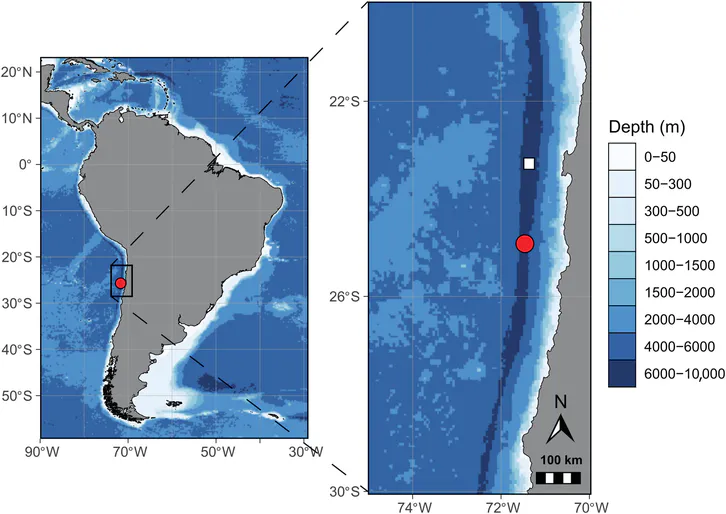
Four specimens of Dulcibella camanchaca were captured by researchers at an impressive depth of 7,902 meters.
Using an unmanned landing vehicle, scientists transported the animals to the surface, where they were frozen and sent for morphological and genetic analyses at the University of Concepción.
These analyses confirmed that Dulcibella camanchaca is not only a new species but also represents a new genus, a rare discovery that expands the understanding of the creatures inhabiting the deepest regions of the ocean.
Dr. Johanna Weston, a Hadal ecologist from WHOI and one of the main authors of the study, emphasized the importance of this discovery for the field of marine biology:
“The most exciting thing is that the DNA and morphological data indicated that this species is also a new genus, highlighting the Atacama Trench as a critical endemic hotspot.”
The ecologist further added that the research highlights the fundamental role of the Atacama Trench as a unique biodiversity location in the world, which is essential for understanding how life can adapt to Earth’s extremes.
The Importance Of Continued Deep Ocean Exploration
In addition to revealing a new species, this discovery by Chilean researchers highlighted the importance of continued deep ocean exploration.
The study allowed scientists to better understand how the pressures at the ocean floor shape the evolution and incredible adaptations of these species.






