Portuguese
  Spanish


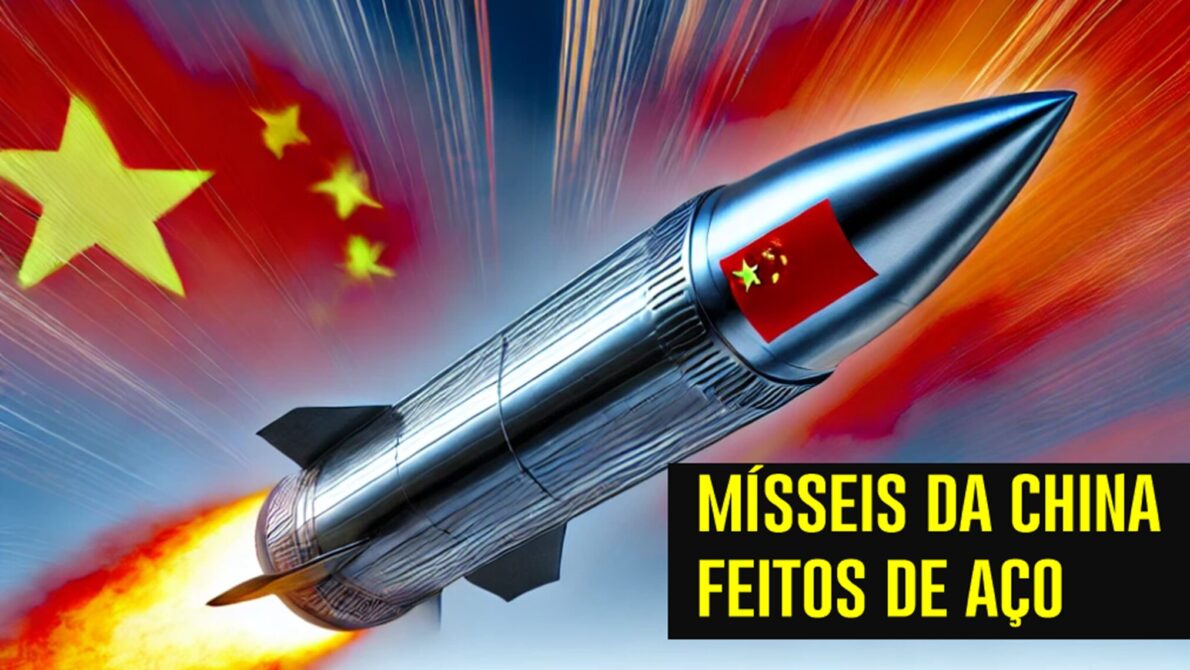

Chinese Scientists Reveal a Surprising Discovery: The Use of Steel to Build Hypersonic Missiles Capable of Reaching Impressive Speeds of Up to 9,800 km/h, Transforming Military Technology.
Recent reports from China indicate that the country is making progress in creating hypersonic missiles made of steel, capable of reaching speeds of Mach 8, or approximately 9,800 km/h. Chinese scientists believe that the use of steel instead of traditional tungsten, which is more expensive and rare, could revolutionize the production of these weapons.
The new thermal protection technology developed allows steel to withstand the extremely high temperatures resulting from hypersonic flight.
This discovery was detailed in a study published in the journal Acta Armamentarii, conducted by a team of scientists led by Professor Huang Fenglei from the Beijing Institute of Technology.
-
China Tests Giant 582-Ton Magnets to Contain Plasma Hotter Than the Sun’s Core, Aiming to Cut Superconductor Costs and Generate First Electricity from “Artificial Sun” by 2030

-
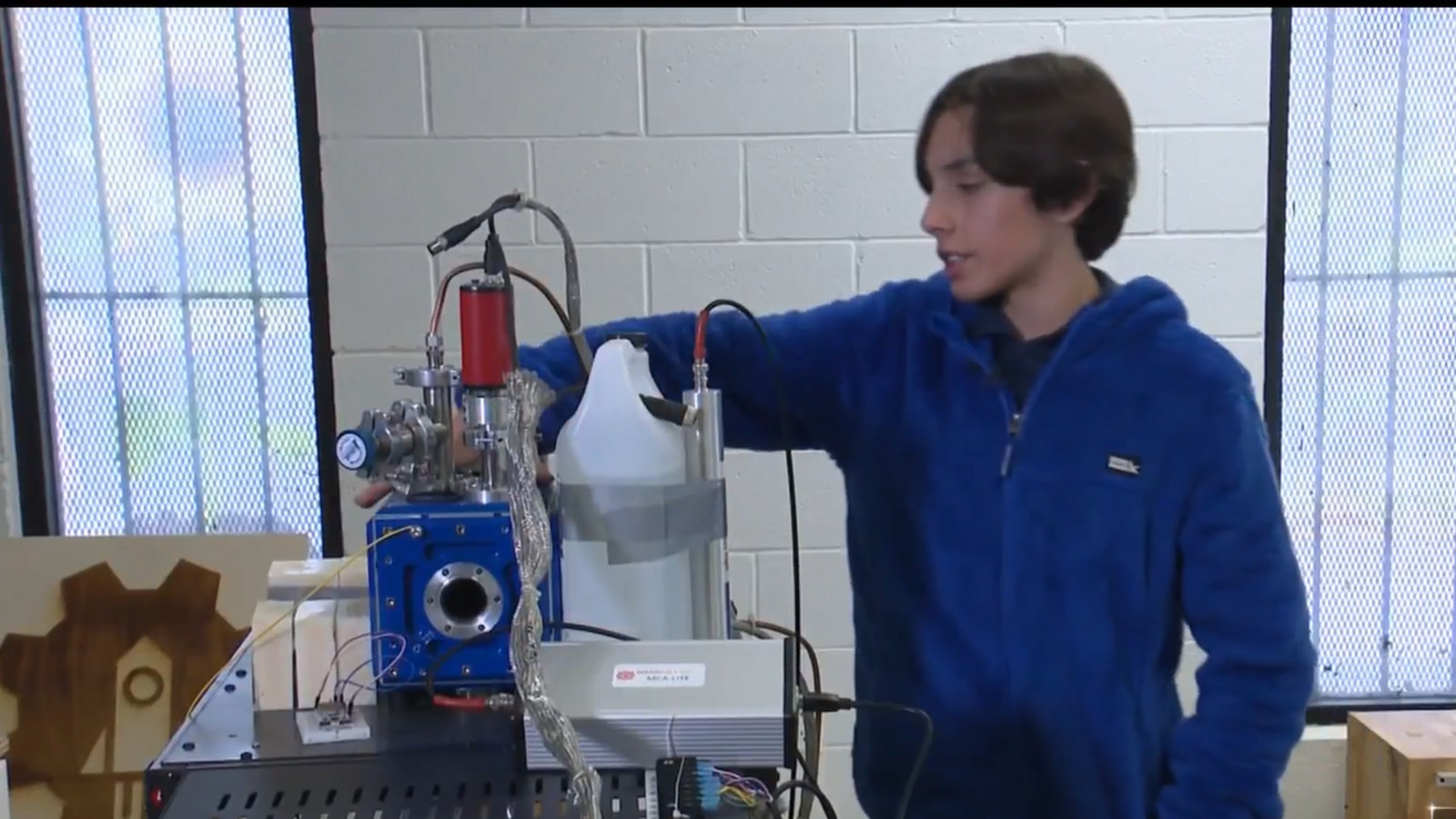
Seventh Grader Builds Nuclear Fusion Machine at Home, Aiming for Guinness World Record

-
Ancient Ritual Circle, Hidden for 5,000 Years, Discovered in Scotland’s Machrie Moor Using Sensors, Revealing a “Phantom Stonehenge”

-
Engineers Develop Fridge-Sized Machine to Produce 95-Octane Synthetic Fuel from Air and Water, Aiming to Sustain Combustion Engines Without Oil



They proposed the use of high-strength stainless steel in the nose cone of anti-ship missiles, which could significantly reduce the manufacturing costs of hypersonic missiles, allowing for mass production.
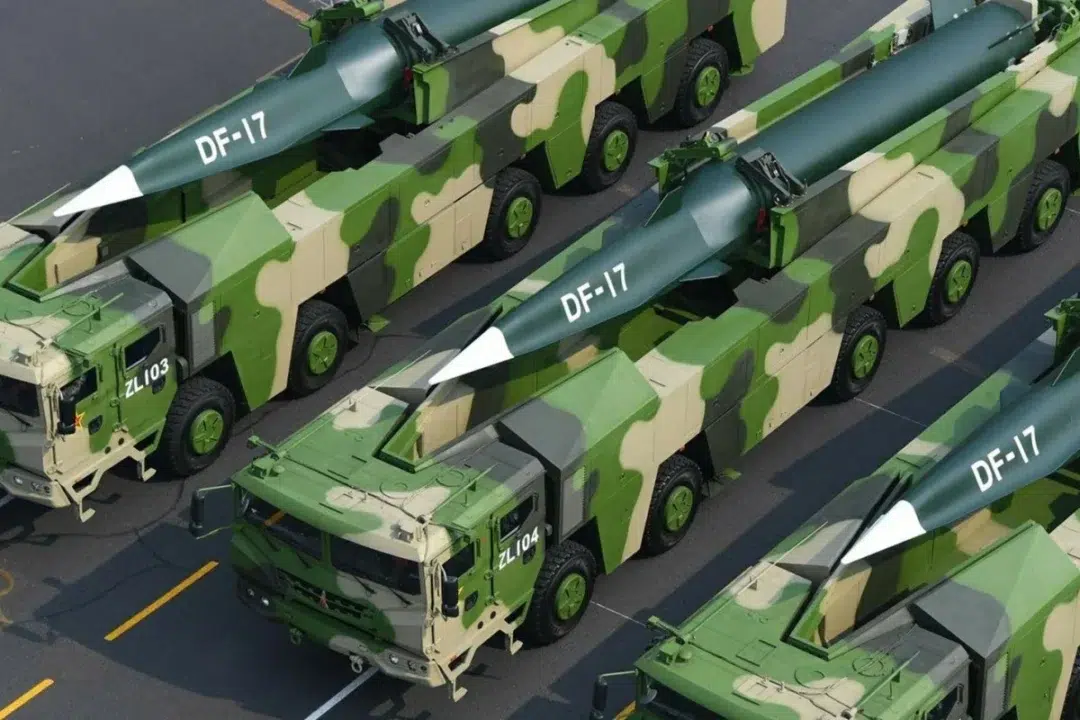
However, one of the main technical challenges for the use of steel in hypersonic missiles is its melting point, which is 1,200 degrees Celsius. A hypersonic missile can reach temperatures exceeding 2,500 degrees Celsius during flight.
To address this, scientists created additional thermal protection for the steel nose cone, using ultra-high temperature ceramics and a layer of aerogel, which acts as thermal insulation.
Global Impact of Replacing Tungsten with Steel
Currently, many countries use tungsten alloys in their hypersonic missiles, due to their higher melting point, above 1,600 degrees Celsius. However, tungsten is a rare and expensive metal, primarily controlled by Chinese companies, making its replacement a global priority. The innovation of using steel instead of tungsten could enable the manufacturing of more affordable missiles at a larger scale.
If the technology of hypersonic missiles with steel comes to fruition, China will have a significant advantage in this technological race. In addition, the development of more advanced cooling systems, such as the recent device created by Chinese scientists, could extend the flight time of these missiles, making them even more efficient in war scenarios.
In addition to China, Russia has also been using hypersonic missiles, primarily in its conflict with Ukraine, and the United States is testing its own versions, but with limited results so far. France, on the other hand, successfully tested the hypersonic vehicle Vmax in 2023. However, China seems to be ahead of its competitors, with a clear vision of mass-producing these weapons at reduced costs, solidifying its position as a leader in hypersonic missile development.
The replacement of tungsten with steel, coupled with new thermal protection technology, could radically transform the future of hypersonic armaments. The ability to achieve speeds of Mach 8 and produce missiles at low cost would give China a strategic advantage, directly influencing the balance of global power.