






 Portuguese
  Spanish
  3 min of reading
  0 comments


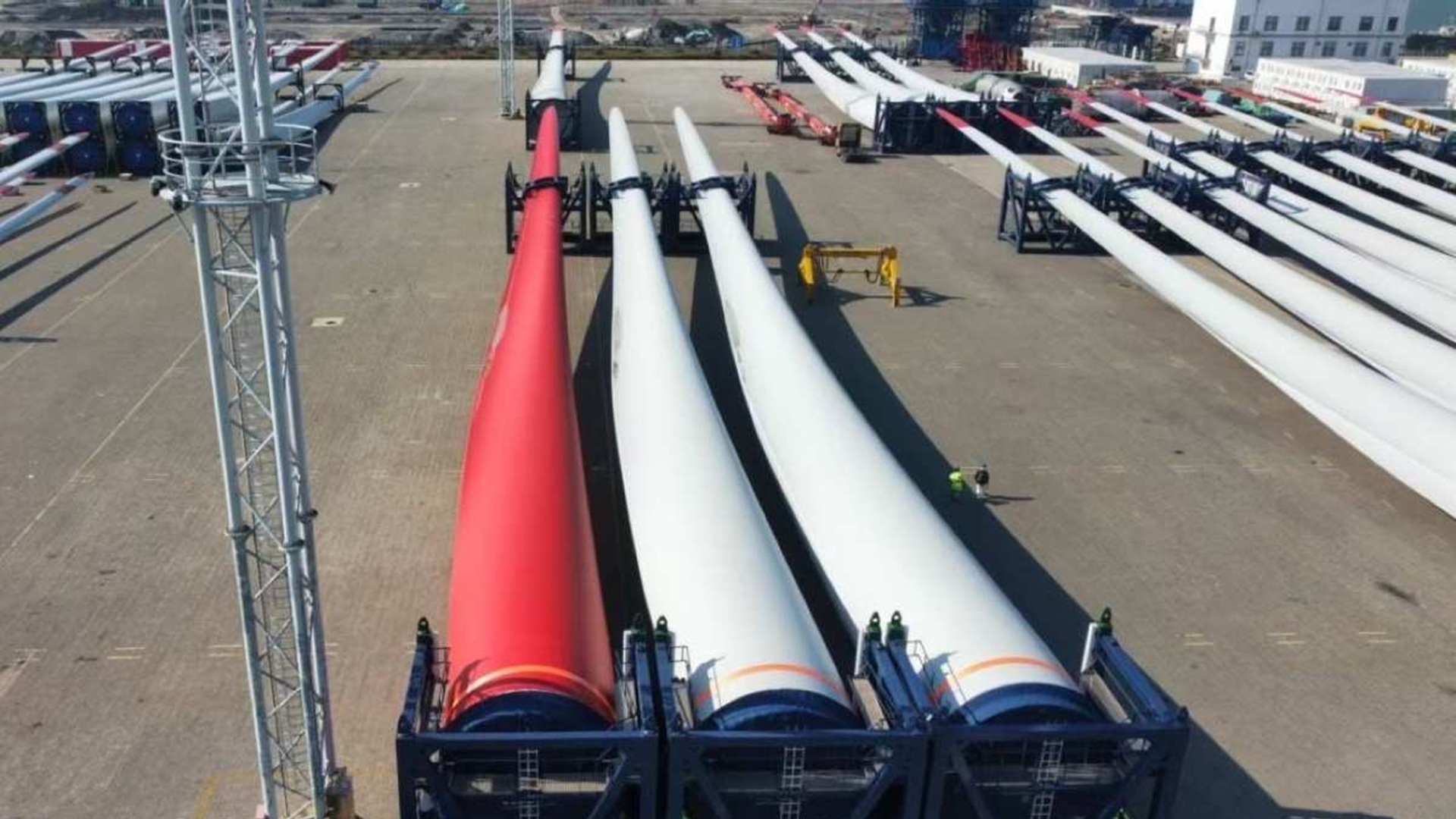
Vestas and Ecowende will test offshore turbines with a single red blade in the North Sea, aiming to reduce migratory bird collisions, integrate wind energy technology with marine biodiversity preservation, and monitor environmental impacts over three years
The Danish wind energy giant Vestas, in partnership with Ecowende, will install a red blade on several offshore turbines at the Hollandse Kust West VI park in the Netherlands, to reduce migratory bird collisions and assess ecological impacts without compromising energy production.
Pioneering experiment in the North Sea seeks safety for birds
The test will take place on seven turbines, each with a total of three blades, in a 760 MW project by Ecowende, a joint venture between Eneco and Shell. The idea is to increase the visibility of a single blade so that birds can better perceive the rotor’s movement and avoid collisions.
Studies indicate that, in foggy or low-light conditions, birds have difficulty identifying the blades. Painting just one blade red creates a dynamic contrast, making it easier to perceive the movement and allowing the bird’s brain to react quickly.
-
Brazil filled the Northeast with wind turbines but now faces the side effect of 705 giant blades reaching the end of their lifespan by 2032 just in Rio Grande do Norte, while the world projects 43 million tons of waste by 2050.

-
Brazil has filled the Northeast with wind turbines, but now it faces the side effect of 705 giant blades reaching the end of their useful life by 2032 just in Rio Grande do Norte, while the world projects 43 million tons of waste by 2050.
-
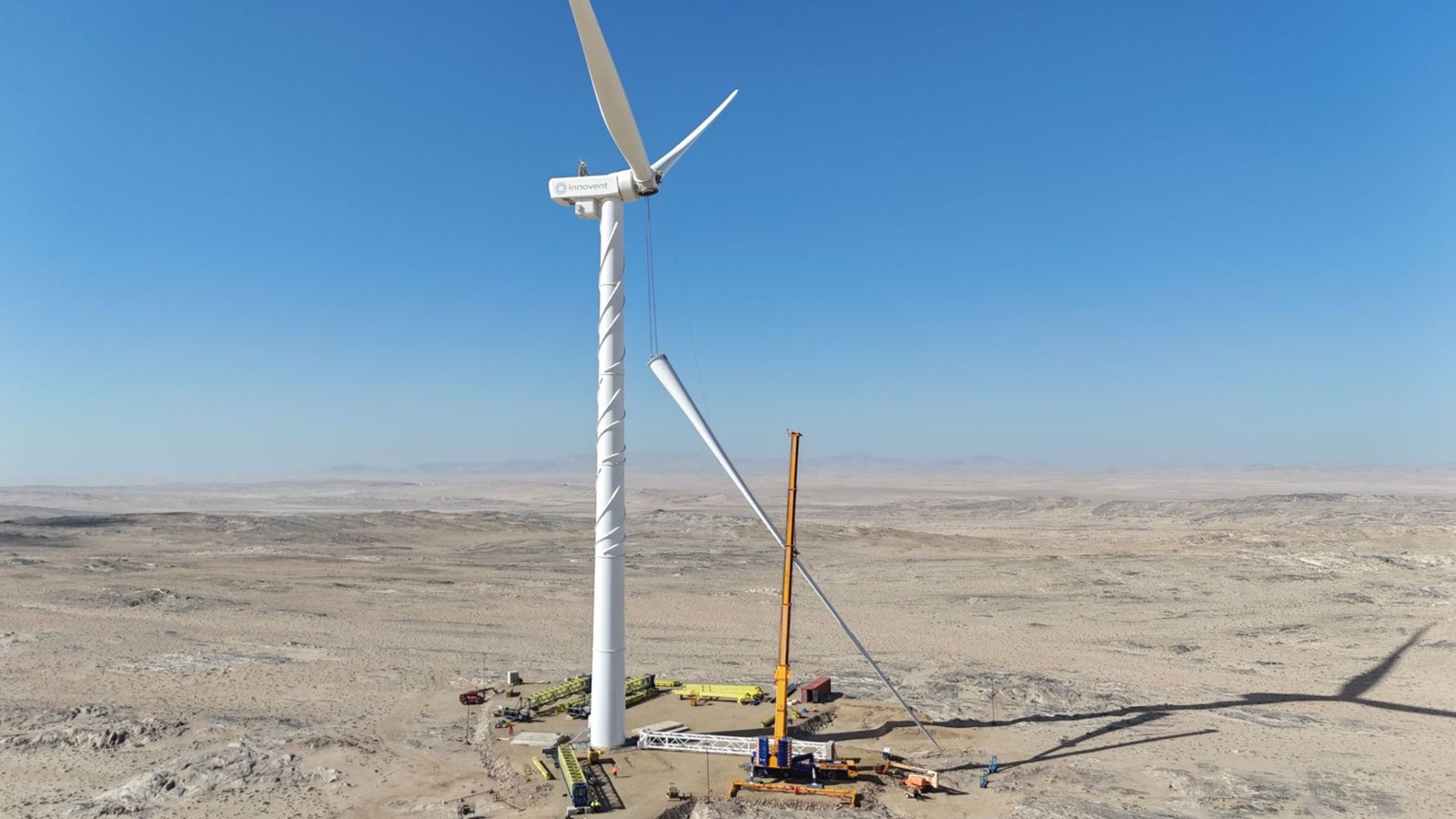
Wind farm in Namibia will have wind turbines assembled without giant cranes and is expected to avoid 200,000 tons of carbon dioxide per year when it becomes operational.

-
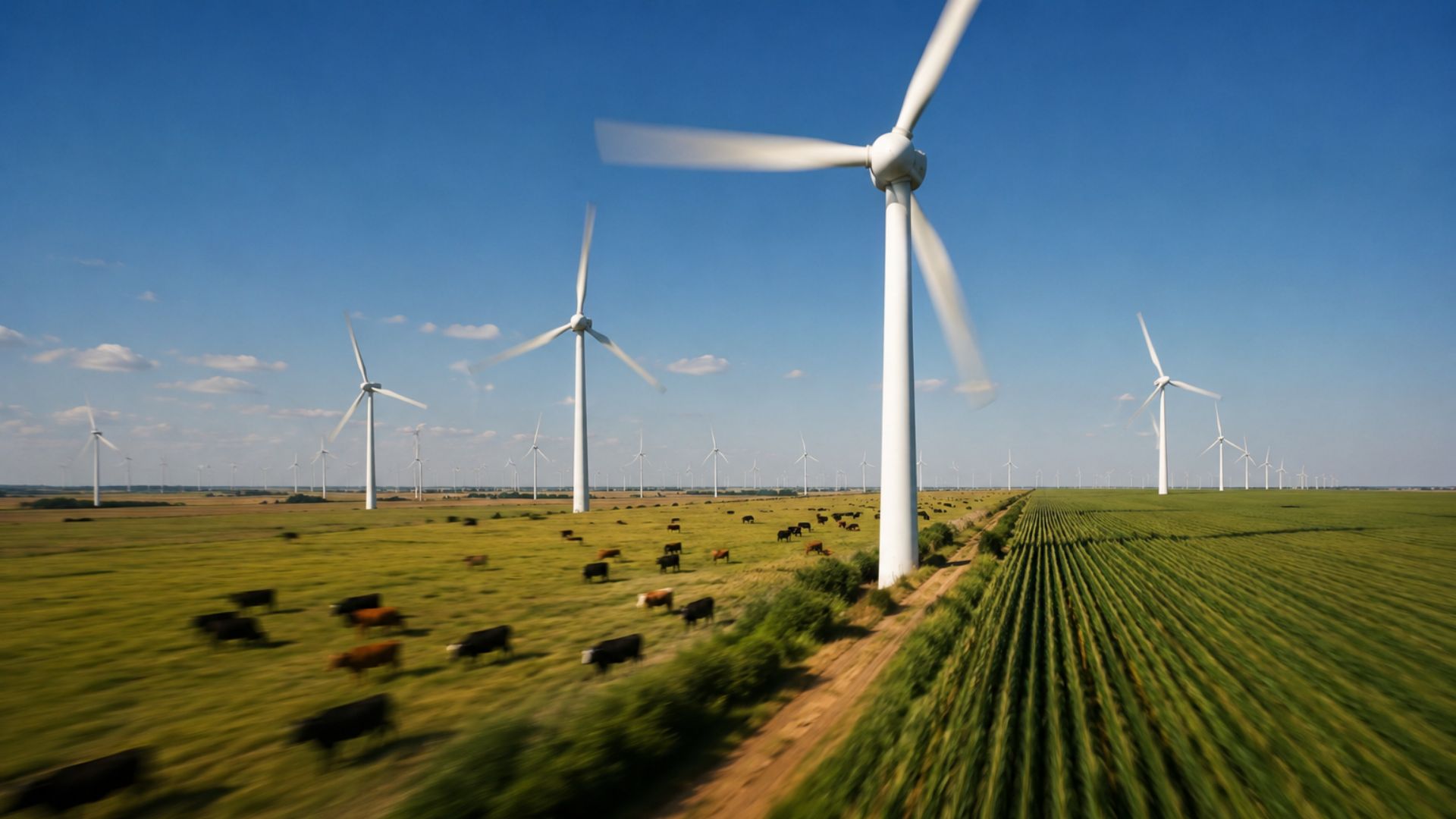
Taller than the Statue of Liberty, thousands of wind turbines are being planted in the middle of U.S. fields, creating two-story farms where corn and soybeans grow below while the wind turns into electricity above.


Black or fluorescent colors were discarded due to risks of overheating and blade wear. Red combines visibility, resistance, and thermal performance, being more suitable for offshore turbines in complex environments, with sea spray and long-distance migrations.
Wind farms more compatible with ecosystems
In addition to the blade innovation, Hollandse Kust West VI adopts multiple ecological integration measures. Taller turbines reduce interference with migratory routes, while the distribution of units creates ecological corridors between the coast and protected areas.
The project includes technologies to reduce underwater noise during installation, bird and bat deterrent systems, as well as fish shelters in the foundations. Artificial reefs and the reintroduction of the European flat oyster promote increased marine biodiversity, water filtration, and habitat creation.
Four monopile foundations received extra openings for fish refuges. Cameras and sensors monitor marine life around the turbines for three years, transforming the site into a living laboratory in the middle of the sea.
Reduction of underwater noise impact
The installation of offshore turbines generates intense noise when driving piles into the seabed, affecting fish, porpoises, and marine mammals. Tools like VibroJet and vibratory lifting minimize these effects, complying with strict regulations from European countries, especially near the Natura 2000 Network.
With increasing regulatory pressure, the industry seeks low-noise impact solutions, ensuring greater environmental compatibility and public acceptance, especially in regions sensitive to marine biodiversity.
Adaptation of birds and complexity of impacts
Recent research shows that many bird species alter their routes to avoid operating turbines. Although some species remain vulnerable, collision mortality may have been overestimated in previous studies.
Furthermore, habitat loss, pollution, climate change, pesticides, and glass buildings have a much greater impact on bird populations globally. Despite this, the wind energy sector recognizes the need to rapidly advance protection measures, essential for social acceptance and sustainability.
Innovation and the future of wind energy
The red blade project represents a step in the evolution of wind farms that reconcile energy production with environmental preservation. The expectation is to prove that small design changes can significantly reduce risks for birds, while new technologies protect marine life.
The integration of ecological measures, continuous monitoring, and innovation in turbines reinforces the sector’s commitment to sustainable energy transition, aligning clean energy growth with biodiversity conservation in the North Sea and future offshore installations.
Conclusion: balance between production and preservation
The Hollandse Kust West VI exemplifies an offshore wind energy model designed to coexist with complex ecosystems. The experience with the red blade, combined with environmental impact reduction technologies, can serve as a reference for future global installations, promoting clean energy without compromising local wildlife.
This pioneering test by Vestas and Ecowende highlights that innovation, science, and environmental planning can go hand in hand, offering a safer future for migratory birds and marine ecosystems amid the expansion of offshore wind energy.





Be the first to react!