Portuguese
  Spanish



The Common Battery Could Be The Answer To Increasing The Range Of Current Electric Cars Existing In The Automotive Market
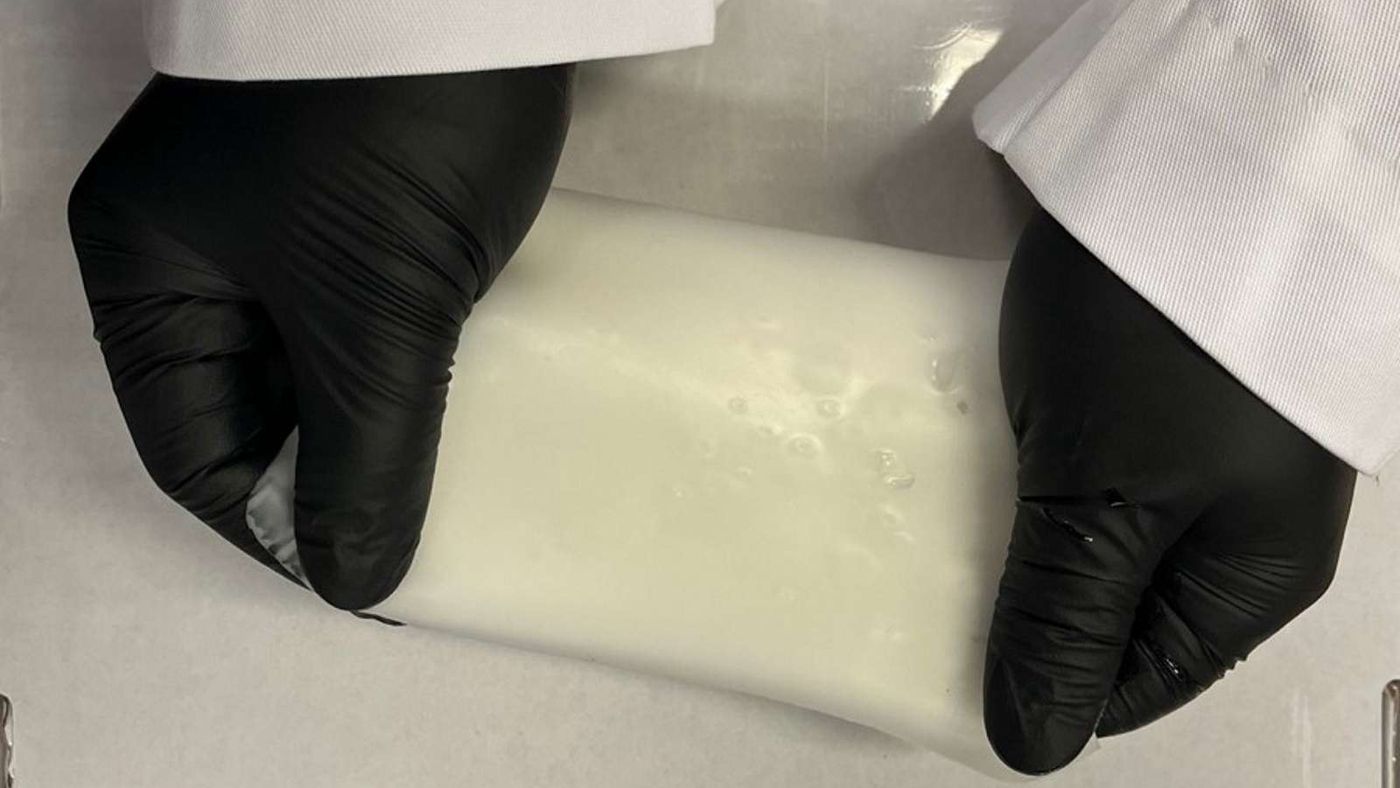
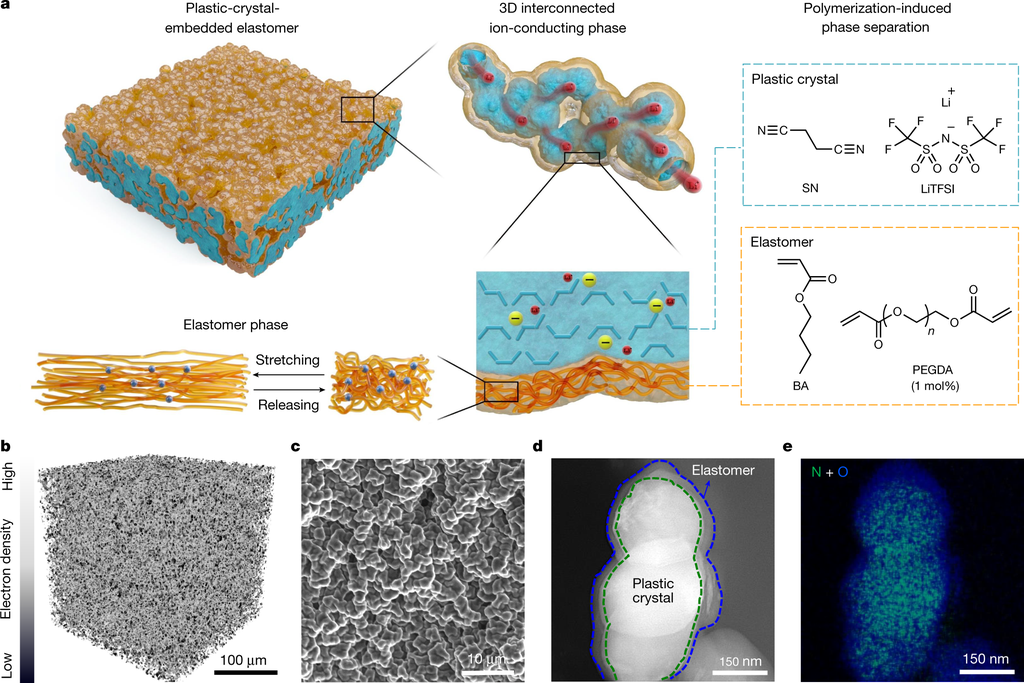
Scientists at the Georgia Institute of Technology, located in the United States, have discovered through studies that rubber could be a great and viable alternative to replace lithium batteries in electric cars. The scientists noted that this material, which is so common and easy to find, when modified into a 3D structure, achieves the function of providing ions super quickly, as if it were a superhighway, and is also capable of doubling the range in electric vehicles.
Read Also
Understand More About The Rubber Battery Project
The scientists working on the rubber battery project have managed to manufacture some energy cells with high mechanical resistance, resulting in a battery with much greater energy storage and power capacity, easily able to replace the batteries currently used in electric cars, aiming to increase vehicle range.
According to Professor of Mechanical Engineering, Seung Woo Lee, ions move through a liquid electrolyte in conventional lithium batteries installed in electric cars.
-
Volkswagen to Cut Production by 1 Million Cars by 2030, Reducing Jobs and Platforms, Focusing on More Profitable Models

-
Toyota Launches First 100% Electric Car in Brazil: bZ4X with 343 HP, All-Wheel Drive, 361 km Range, Priced at $419,990 BRL, Limited to 99 Units

-
Chinese SUV Achieves 24.4 km/l, Outperforms Toyota Yaris Cross in Real-World Tests with 224 hp Hybrid System, Offers 51-Liter Tank for Greater Range, and Costs Up to R$ 5,000 Less.
-
Uber Black Revamps Fleet, Drops Ten Car Models and Sets Deadline for Electric BYD Dolphin


However, Professor Lee explained that even a minor damage can cause this electrolyte to leak, potentially resulting in a fire or even a large explosion. Seung Woo Lee emphasizes that, precisely because of this lack of safety, vehicle manufacturing industries are forced to consider using solid-state batteries, which can be made with inorganic ceramic material or organic polymers.
Use Of Rubber In Battery Manufacturing
Batteries manufactured with ceramic material or conventional polymers are not capable of conducting ions and have insufficient mechanical stability to operate reliably and efficiently. Georgia Tech scientists used rubber electrolytes to resolve these issues of slow or non-existent ion conduction.
Professor Lee reported that the rubber electrolyte can be made during a very simple polymerization process at low temperature, resulting in robust and smooth interfaces right on the surface of the electrodes. Woo Lee added that this technique is aimed at preventing the growth of lithium dendrites, facilitating ion movement and allowing the reliable and fully efficient operation of solid-state batteries, even at room temperature.
Regarding range, scientists have demonstrated that by increasing ionic conductivity, it is possible to move many more ions at the same time. A battery with high energy and density levels can considerably increase the average mileage of electric cars.
Professor Seung Woo Lee’s Next Plans
Now, the professor and his team of scientists intend to further improve the performance of these rubber batteries to increase the number of cycles and reduce vehicle charging time.
The team has achieved significant progress so far, concluding that their performance was twice as high compared to conventional lithium-ion cells. In conclusion, Professor Lee stated that solid-state batteries could greatly increase the level of autonomy and safety of electric cars.