Portuguese
  Spanish


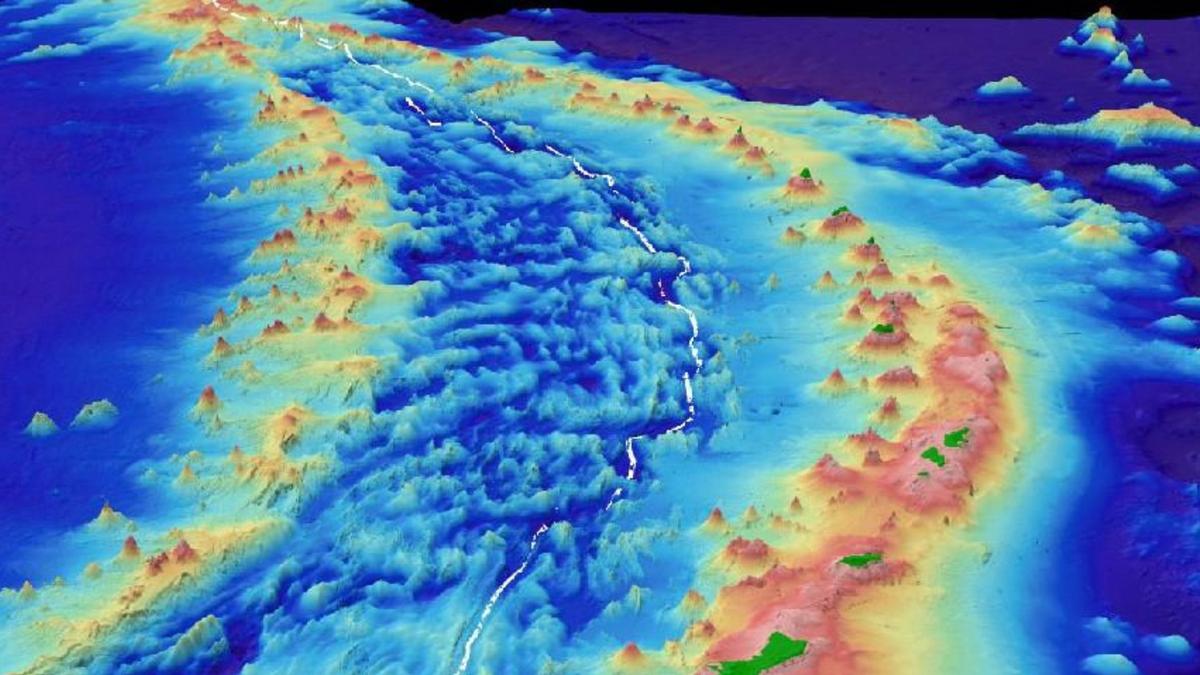


The Exploration of the Deepest Ocean Trench Uncovered Thousands of Never-Registered Species, Highlighting the Diversity of Life in the Extreme Environments of the Oceans
A Chinese expedition explored the Mariana Trench and found a surprising diversity of life forms in an environment previously considered hostile. The mission used the Fendouzhe submersible, capable of reaching nearly 11,000 meters in depth. Between August and November 2021, scientists collected hundreds of biological samples.
Three studies published in the journal Cell detail these findings. They reveal genetic aspects and adaptations of species living in extreme conditions, such as absolute darkness, low temperatures, and intense pressure.
The Expedition to the Abyss
The Mariana Trench Environment and Ecology Research (MEER) project led the investigation. Among the scientists was Weishu Zhao, a microbiologist from Shanghai Jiao Tong University. He reported seeing bioluminescent organisms during the descent of the submersible.
-
Chinese “dark factories” produce electric cars 24/7 with minimal human intervention, as Zeekr assembles 800 units daily, raising concerns in Brazil.

-
Spectacular Green Aurora Seen from Space Illuminates International Space Station, Captivates French Astronaut

-
In Tasmania, a Beach Features a Natural Stone Mosaic Formed by Earth’s Cracks Millions of Years Ago
-
China’s Artificial Sun Reaches 100 Million Degrees, Six Times Hotter Than the Sun’s Core, Putting Beijing Ahead in the Race for Infinite Energy



“I immediately knew that the [deep ocean] must be a much more thriving habitat than we had imagined“, Zhao said.
At the bottom of the ocean, the Fendouzhe’s lights revealed a great variety of plankton. The presence of these life forms challenged old theories about the scarcity of organisms in this region.
The Fendouzhe is an advanced submersible designed to withstand the intense pressures of the deep ocean. Equipped with robotic arms and a sample basket, it allowed the collection of fish, crustaceans, and sediments rich in microorganisms.
Microbiologist Douglas Bartlett from the University of California San Diego highlighted the technology of the Fendouzhe as a remarkable achievement in engineering.
Notable Adaptations
One of the studies identified over 7,000 microbial species in the Mariana Trench, with 89% of them being new to science. Scientist Mo Han from BGI Research explained that these microorganisms have diverse survival mechanisms.
Some bacteria exhibit small and specialized genomes, adapted to the scarcity of light and nutrients. Others have larger genomes, allowing for greater flexibility in response to environmental changes.
Some are also capable of metabolizing compounds like carbon monoxide, making them essential to the food chain in this habitat.
Another study focused on amphipods, small shrimp-like crustaceans. Researchers discovered that these animals live in symbiosis with deep-sea bacteria. Analyses revealed high levels of the bacterium Psychromonas in the intestines of amphipods.
It is suspected that these microorganisms assist in producing trimethylamine N-oxide, a substance that stabilizes body fluids under extreme pressure.
A third study analyzed fish that inhabit depths greater than 3,000 meters. Scientists identified a common genetic mutation in these species that enhances the efficiency of gene transcription into proteins. This allows for a rapid response to environmental stress.
By comparing the genomes of 11 species, researchers estimated the time when these fish colonized the deep ocean. Eels, for example, may have migrated to these regions about 100 million years ago, possibly escaping the mass extinction that affected the dinosaurs.
Snailfish, on the other hand, appear to have descended into the trenches around 20 million years ago.
Human Impact and New Expeditions into the Depths
Despite the diversity found, scientists also encountered concerning signs of pollution. Plastic bags, soda cans, and even a laundry basket were discovered at extreme depths. Zhao expressed surprise at the presence of these waste materials in such a remote area.
However, some microorganisms seem capable of degrading certain pollutants. Scientists believe this could pave the way for biotechnological solutions against ocean pollution.
The MEER project aims to explore other submarine trenches around the world. Currently, about 80% of the hadal zone remains unknown. Researcher Liang Meng from BGI suggests that these regions may contain valuable information about the origins of life and new forms of organisms adapted to extreme conditions.
Each new expedition reveals impressive details about the ocean depths. Although these environments remain shrouded in mystery, technological advancements are helping to unravel them.
With information from Interesting Engineering.