Portuguese
  Spanish


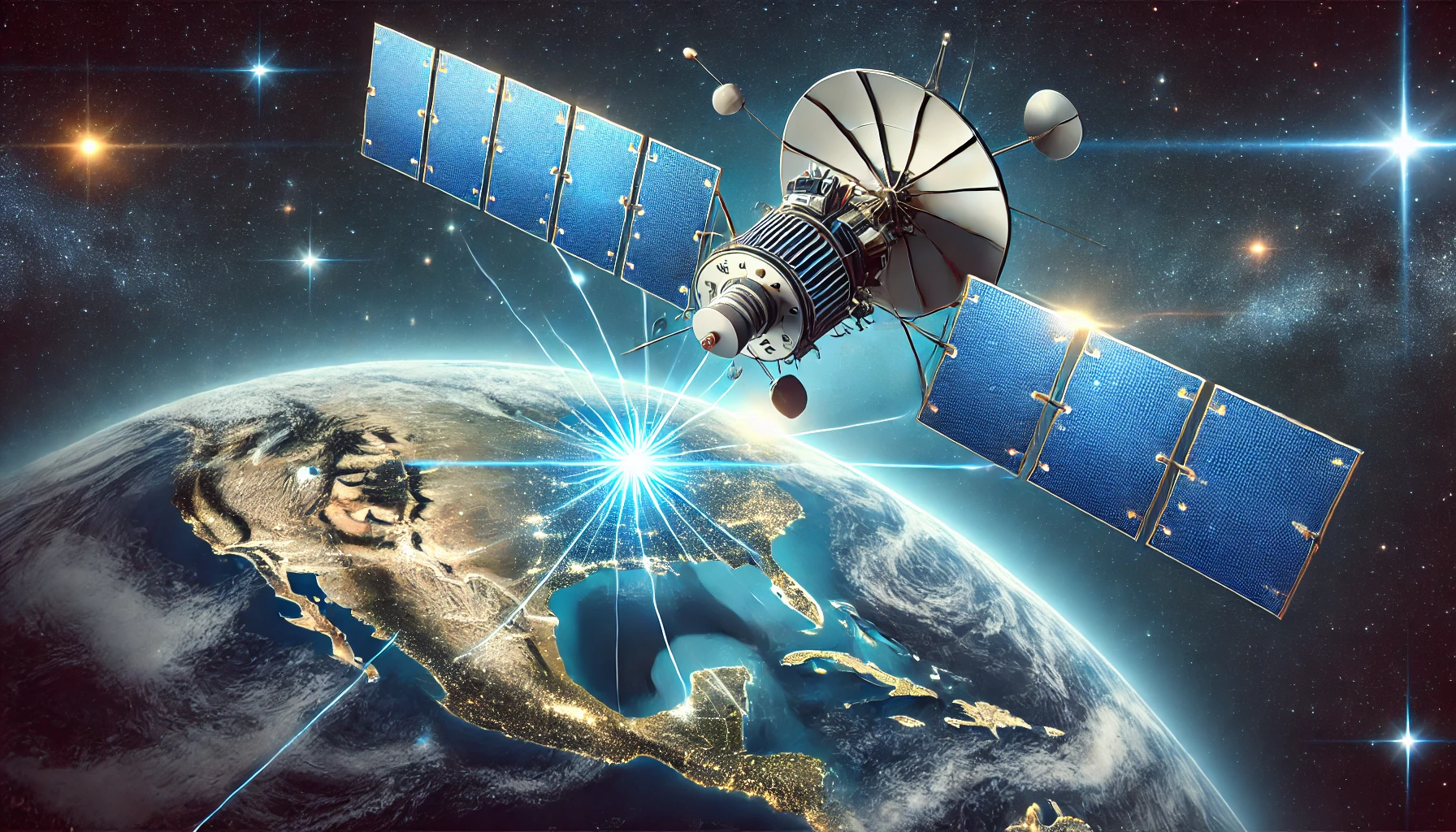

An Ambitious Project Is Underway: Scientists Around the World Want to Install Solar Panels in Space to Capture Energy Continuously and Transmit It to Earth via Microwaves or Lasers, Offering a New Energy Alternative for the Planet.
A team of scientists from California is exploring a different way to think about clean energy. Their proposal goes beyond the atmosphere. Literally. They want to harness solar energy in space and bring it more efficiently to Earth.
The idea is not new. It has appeared in science fiction books since the 1940s. But now, researchers are putting the concept to the test with real experiments, even though still on a small scale.
The Challenge of Bringing Energy from Space
Capturing solar energy in space has an advantage: the supply would be constant. Unlike terrestrial solar panels, which depend on the weather, in space the sun shines all the time. This increasingly attracts the interest of energy specialists energy.
-
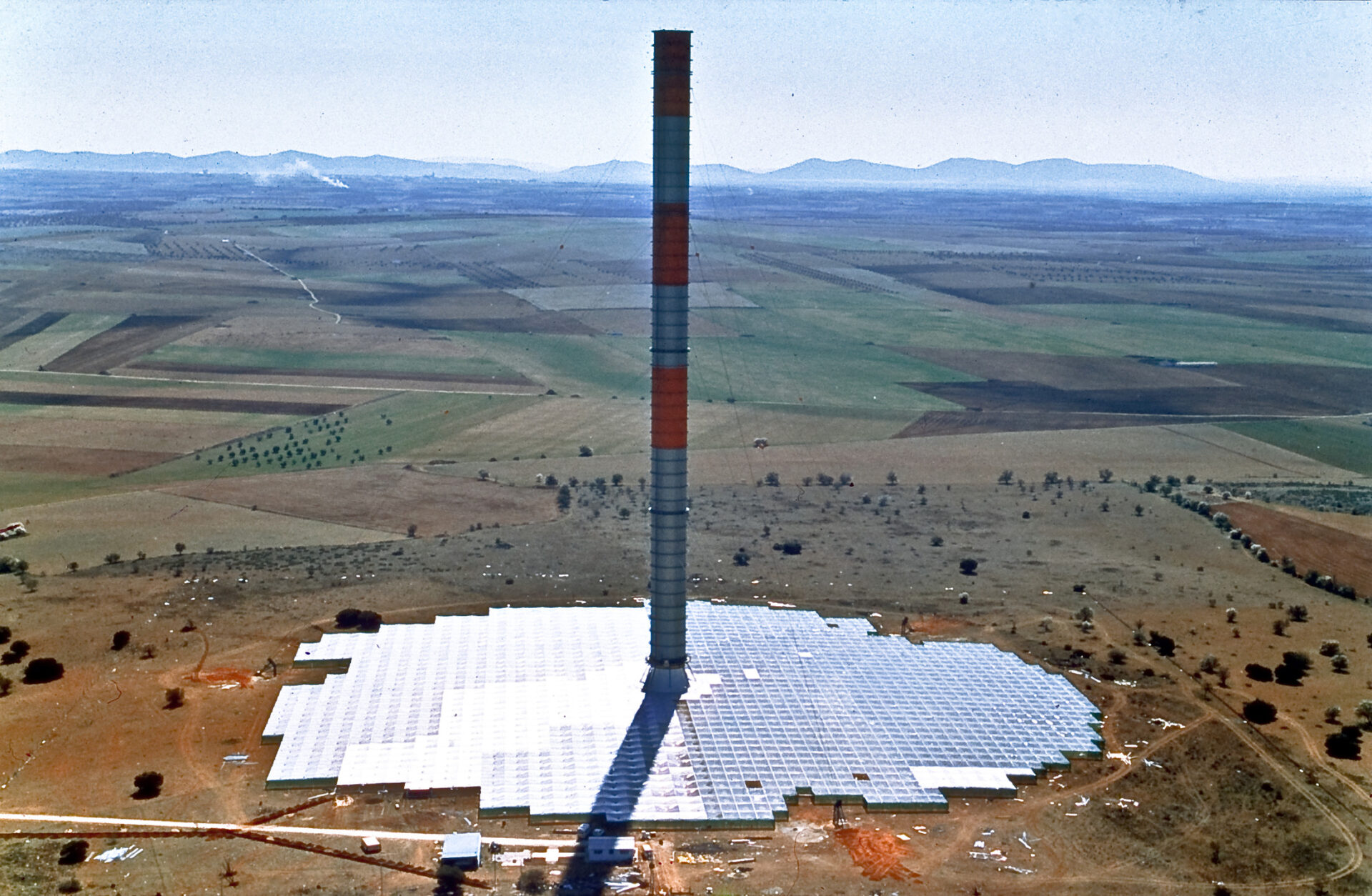
Solar Chimney in Spain Harnessed Sun to Generate Electricity for 7 Years Without Burning Fuel

-
Solar energy reaches 55 GW, becoming the second largest power source in Brazil’s energy mix

-
Solar energy can increase property value by up to 10% and become a selling point.
-
Solar and wind energy surpass natural gas for the first time in the world and accelerate energy revolution



But transmitting this energy from space to Earth is not that simple. The energy beam, usually in the form of microwaves, needs to be very well directed.
And since the distance is enormous, the energy tends to disperse. This requires giant transmitters in space and large receivers on the ground, which is costly and complex.
The Idea of Space Relays
This is where the proposal of Ali Hajimiri, a professor at the California Institute of Technology, and his team comes in. They are thinking of placing intermediate transmitters orbiting Earth.
Like space relays (electromechanical or electronic devices used to control electric circuits), they would help redirect energy from space to the receivers on the ground more precisely.
According to Hajimiri, this retransmission system allows for smaller transmitters and receivers. “Programmable transmission matrices placed in some intermediate orbit can greatly alleviate this size requirement,” says the researcher.
How the System Works
The proposed model involves a constellation of antennas. These sets of transmitters take turns in the task of capturing and redirecting energy.
When one group is moving away from the optimal transmission point, another group approaches and takes over the task.
These orbital relays stay between the main space solar panel — the so-called active array — and the receivers on Earth. This way, the energy beam can be adjusted along the way, increasing the chance that more energy reaches the destination.
Promising Results in Testing
To test the concept, researchers created simple and inexpensive prototypes. In one experiment, they placed a transmitter and a receiver 3.8 meters apart in an anechoic chamber, which simulates the space environment by avoiding wave reflections.
With the relays, they managed to transfer almost 2.5 times more energy than the direct method. This shows that the system could work better over greater distances, or allow the use of smaller equipment.
Even though it is a small-scale test, the results thrilled the team. They believe that the system could be a good solution to current challenges in space energy.
Next Steps and Future Vision
There is still much to be done. A complete system for transmitting energy from space to Earth is far from becoming a reality. But Hajimiri and his colleagues are already planning the next tests. The current goal is to develop large-scale transmission arrays and verify how they behave in a space environment.
The professor also acknowledges that adding these relays to the system would increase initial costs. However, he believes that the efficiency gains would compensate over time. The system would become more economical per unit of energy generated.
As the world seeks cleaner and more reliable ways to produce energy, ideas like this show that thinking outside the Earth could be part of the solution.