Portuguese
  Spanish


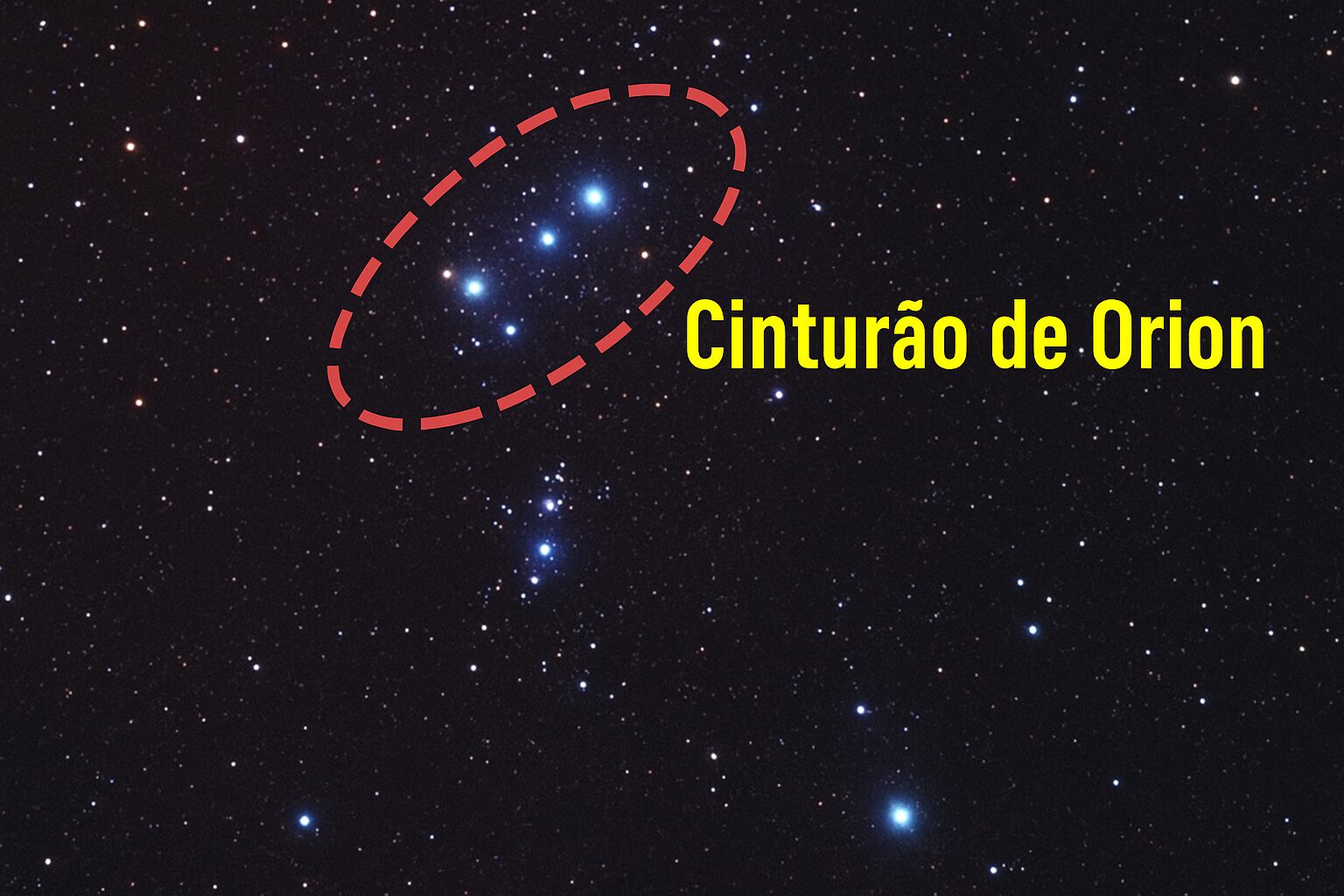

Three Aligned Stars Form The Belt Of Orion, One Of The Most Famous Patterns In The Sky, Filled With Ancient Myths And Surprising Astronomical Data
The Night Sky Holds Figures That Have Intrigued Humanity For Millennia. Among Them, Few Attract As Much Attention As The Belt Of Orion.
Visible In Various Parts Of The World, It Is Composed Of Three Aligned Stars That Seem To Cut The Constellation Of Orion In Half.
Besides Its Striking Brightness, These Stars Carry Stories, Myths, And Impressive Astronomical Data.
-
Pennsylvania Mine Creates Ice in Summer Heat and Melts in Winter, Turning a Mountain Crevice into a Reverse Natural Refrigerator

-
China Accelerates Global Expansion of Robotics: From Smart Vacuums to Industrial and Humanoid Machines, Millions Exported to Over 150 Markets
-
Polar Air Mass to Hit Brazil: Temperatures to Plummet in Nine States, Near Freezing in the South with Frost Risk Until Monday
-
Chinese “dark factories” produce electric cars 24/7 with minimal human intervention, as Zeekr assembles 800 units daily, raising concerns in Brazil.





Three Stars, Thousands Of Times Brighter Than The Sun
The Stars That Make Up The Belt Of Orion Are Alnitak, Alnilam, And Mintaka, Positioned From East To West.
All Are Supergiants Much More Massive Than The Sun.
The Apparent Proximity Between Them Is Merely Illusory.
In Fact, Each One Is At A Different Distance From Earth: Mintaka Is About 690 Light-Years Away, Alnitak Is 740, And Alnilam Is Approximately 2,000 Light-Years Away.
Even So, They Form One Of The Most Recognizable Patterns In The Sky.
The Names Of The Three Stars Have Arabic Origins, And According To Astronomer Jim Kaler, They Are All Linked To Expressions Referring To The Concept Of A Belt.
Stellar Systems And Depth In Space
Not All Of These Stars Are Unique.
Mintaka, For Example, Is Composed Of Five Stars That Form A Complex Stellar System.
Alnitak Is Also A Triple System, With The Stars Alnitak Aa, Ab, And B. From Earth’s Perspective, However, Both Mintaka And Alnitak Appear As Unique, Bright Points Of Light In The Sky.
Meanwhile, Alnilam Is Considered A Solitary Star — But With Size And Extraordinary Brightness.
According To Robert Massey From The Royal Astronomical Society In The UK, The Lateral Distances Between These Stars Reach Tens Of Light-Years.
Nasa Provides Visualizations That Help To Understand The “Depth” Of This Formation In Space.
A Mythological Symbol Observed By Ancient Civilizations
The Belt Of Orion Goes Beyond Science. It Is Also Present In Ancient Legends And Beliefs. Various Cultures Around The World Observed The Constellation Of Orion And Attributed To It Human-Like Shapes.
In Indian Tradition, For Example, The Constellation Was Viewed As A King Struck By An Arrow, With The Belt Being The Stars Of That Arrow.
In Ancient Egyptian Mythology, These Three Stars Represented The Place Of Rest For The Soul Of Osiris, God Of The Dead.
The Pyramids And The Theory Of Celestial Connection
One Of The Most Discussed Theories At The End Of The 20th Century Is The One Linking The Belt Of Orion To The Pyramids Of Giza. According To This Hypothesis, The Ancient Egyptians Aligned The Monuments With The Three Stars Of The Belt About 4,500 Years Ago.
However, This Idea Is Not Universally Accepted Among Researchers, Who Disagree On What The Sky Looked Like At That Time.
Despite This, The Fascination For The Belt Of Orion Remains Alive — Both For Its Beauty And For The Mysteries It Still Provokes In Science And Culture.