






 Portuguese
  Spanish


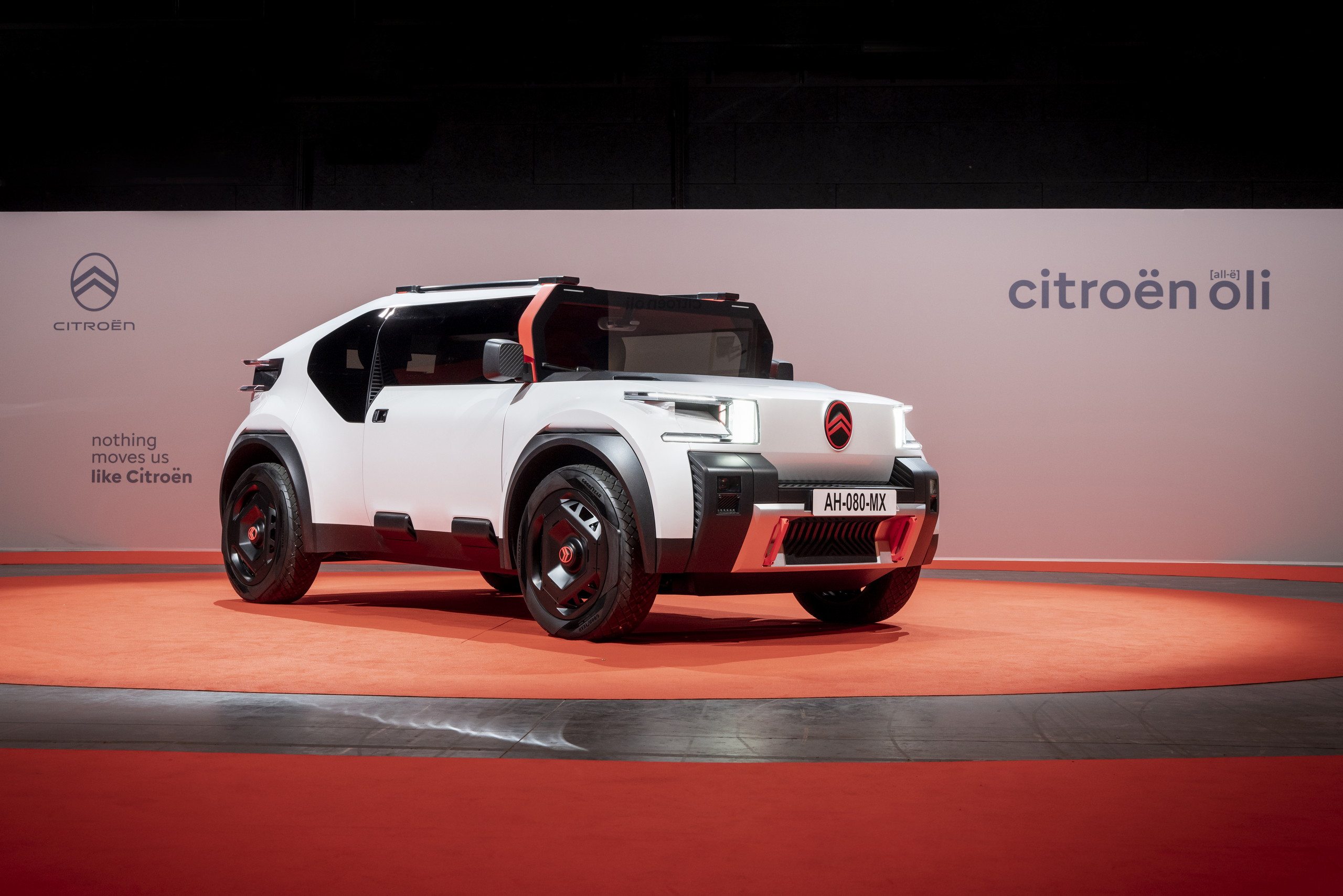

Uniting Sustainability And Technology, Citroën Bets On Parts Made From Cardboard In New Project, The Electric Car Oli.
The Citroën Oli, the electric car that combines pickup and SUV models, was revealed by the French brand last year. The model is seen as a sort of “laboratory on wheels” to test new technologies aimed at automotive development. Among the new features, the automaker used a rather peculiar strategy to keep the car lighter, which boils down to using cardboard in the construction.
See All The Details Of The Oli, The Electric Car From Citroën Made Of Cardboard
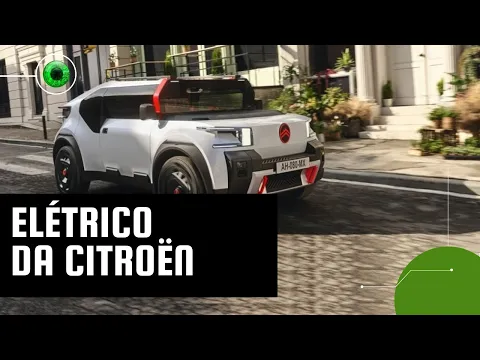

Able To Carry Up To 4 People, The Model With Cardboard Parts Promises Innovation, Technology, And Competence
The parts of this electric car, including the hood, roof, and rear panels of the bed, were developed in a “honeycomb” shape to reinforce the car’s structure. This shape promotes greater resistance to the vehicle, allowing the parts to support the weight of an adult person.
The result of the production was a vehicle with zero emissions that does not exceed 1,000 kg, measuring 4.2 meters in length.
-
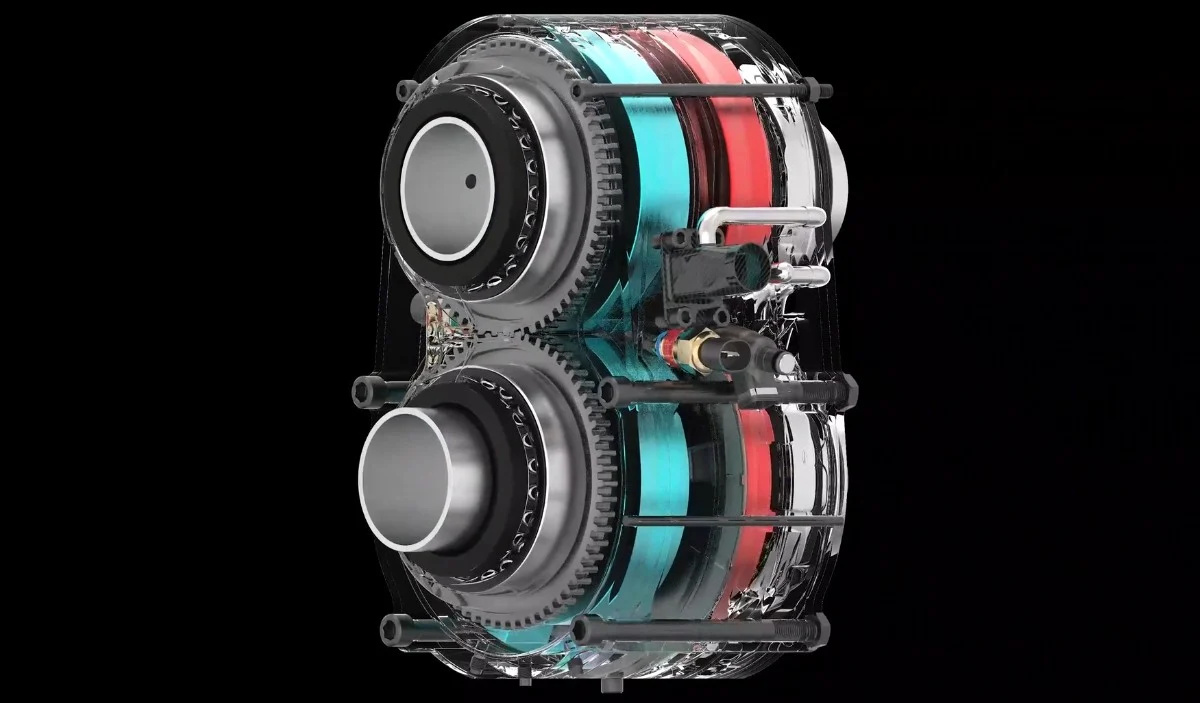
Suitcase-sized hydrogen engine spins at 25,000 rpm, nearly doubling the efficiency of conventional cars and replacing exhaust smoke with water vapor

-
1983 Chevrolet Runs Over 100,000 km Without Gasoline, Powered by Wood Chips, Reaches 125 km/h in Airport Test

-
Workshop Converts Giant Tractor Tire Tricycle into a Three-Wheel Drive Hybrid with 36,000-Watt Electric Motor Capable of Climbing Hills

-
Chery Offers Lifetime Battery Warranty and Car Replacement for Major Failures Under New Chinese Regulations



The lighter bodywork also becomes a crucial ally in energy efficiency. The vehicle’s 40 kWh battery allows for a range of up to 400 km per charge and recovers about 20% to 80% in 20 minutes of charging, the manufacturer claims. The top speed is limited to 110 km/h.
Without a front grille and with C-shaped LED headlights, the Oli combines comfort in harmony with a futuristic look. It features large wheels and can carry up to 4 people.
Inside, the driver finds two removable bluetooth speakers at the ends of the dashboard, USB ports, and a horizontal screen.
On the steering wheel, there is a physical button through which the car’s main functions can be controlled, the Citroën adds.
The Electric Car Citroën Oli Is Considered A Glimpse Of The Future
The Oli will be presented to the public at the Retromobile Show 2023, which will take place in Paris, France.
The event will occur from February 1 to 5 and will be alongside other cars that also represent “milestones” in the history of the automaker.
The Eagle Go, the Goodyear tire that uses less petroleum derivatives and can run for up to 500,000 km, will also be part of the Oli’s structure. Its tread (the part responsible for the car’s grip on the surface) is made from sunflower oil, pine resin, natural rubber, and rice husk silica. The internal structure is made up of 90% recycled materials.
In the end, despite being just a project under construction, it is evident that the electric car Citroën Oli is a glimpse of the future and brings innovations that will likely be utilized in other production cars from the brand, should they prove effective. It remains to be seen if the use of cardboard in the automotive industry will become a trend.


