Portuguese
  Spanish


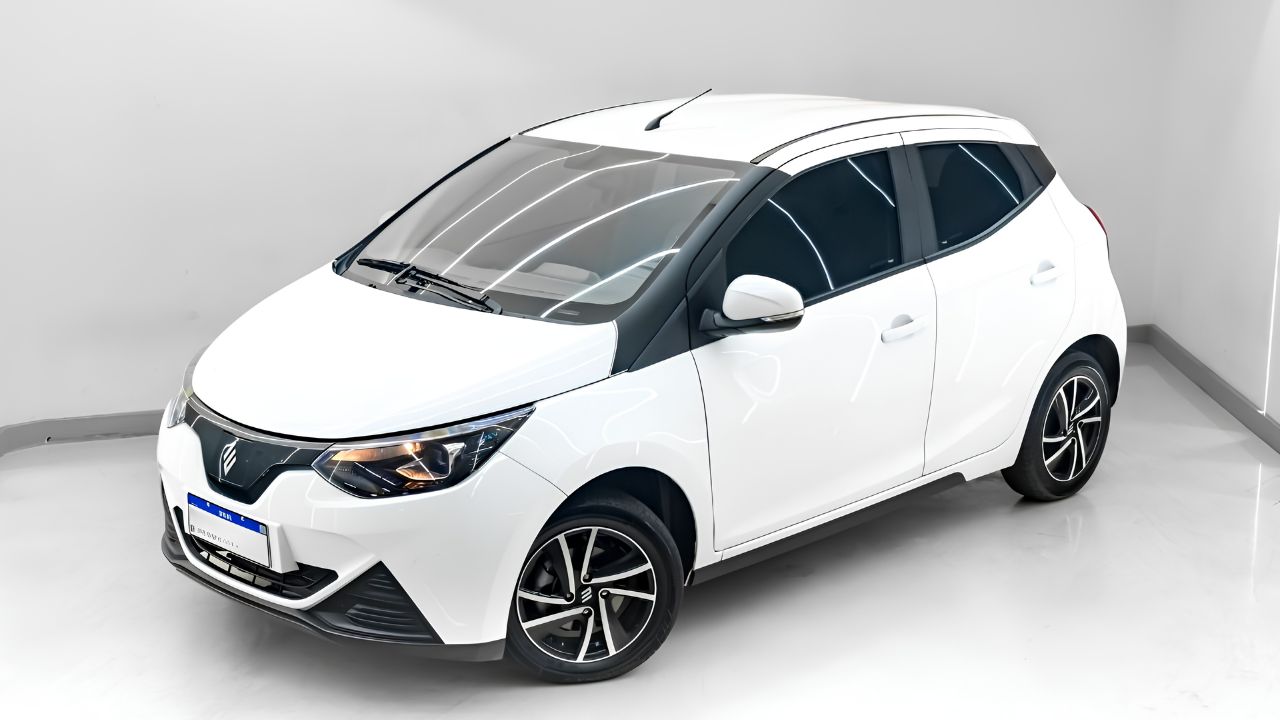
Emova Easy electric car sales were halted in Brazil after an increase in import tax and a rise in shipping costs from China.
E-Motors Brazil halted the commercialization of the Emova Easy, an electric car announced at R$ 69,990 and presented in March as the cheapest option in the segment in the country. The suspension occurred before the start of deliveries, following tax changes and a significant increase in import logistics costs.
The company also halted sales of the Emova Urban, a larger model that had been offered at R$ 99,990. Customers who reserved the vehicles received a full refund of the amounts paid as a deposit.
According to the importer, continuing operations under the current conditions would require passing the additional costs onto the consumer. Therefore, the decision was to freeze the project while the company awaits a possible stabilization of international transportation.
-
Nissan Discontinues Qashqai SUV Amid Cost-Cutting, Chinese Competition, and Product Line Review

-
BYD Patents Revolutionary System Using Computer Vision to Detect Animals Under Cars Before Starting, Preventing Tragedies

-
Study Reveals Why Cars Are More Expensive to Produce and Buy in Brazil Compared to Mexico, Highlighting Taxes, Logistics, and Industrial Costs as Key Factors.
-
Toyota to Open New Factory in Brazil by November 2026 with $2.2 Billion Investment, Creating 2,000 Jobs, and Ending Corolla Production in Indaiatuba



Electric car was affected by the return of the import tax
The sales interruption coincides with the resumption, in July, of the 35% import tax rate on electrified vehicles. The change altered the financial conditions considered by E-Motors when the two cars were announced for the Brazilian market.
Since the models would be brought from China, the final cost depended both on the taxation applied upon the vehicles’ entry and the expenses necessary to transport them to Brazil. The combination of these factors made it unfeasible, at that time, to maintain the initially announced prices.
Container freight rose from US$ 1,800 to US$ 10,200
In addition to the tax increase, the importer reported that logistics costs had risen significantly. The transportation of a container from China, which cost approximately US$ 1,800, now requires about US$ 10,200.
The difference represents an increase of US$ 8,400 per container.
Factors cited for the suspension
- return of the 35% tax rate on imported electrified vehicles;
- increase in maritime freight between China and Brazil;
- difficulty in maintaining launch prices;
- decision not to pass the additional cost to buyers;
- waiting for more stable logistical conditions.
The company did not provide a new date to resume sales.
Emova Easy electric car was priced at R$ 69,990
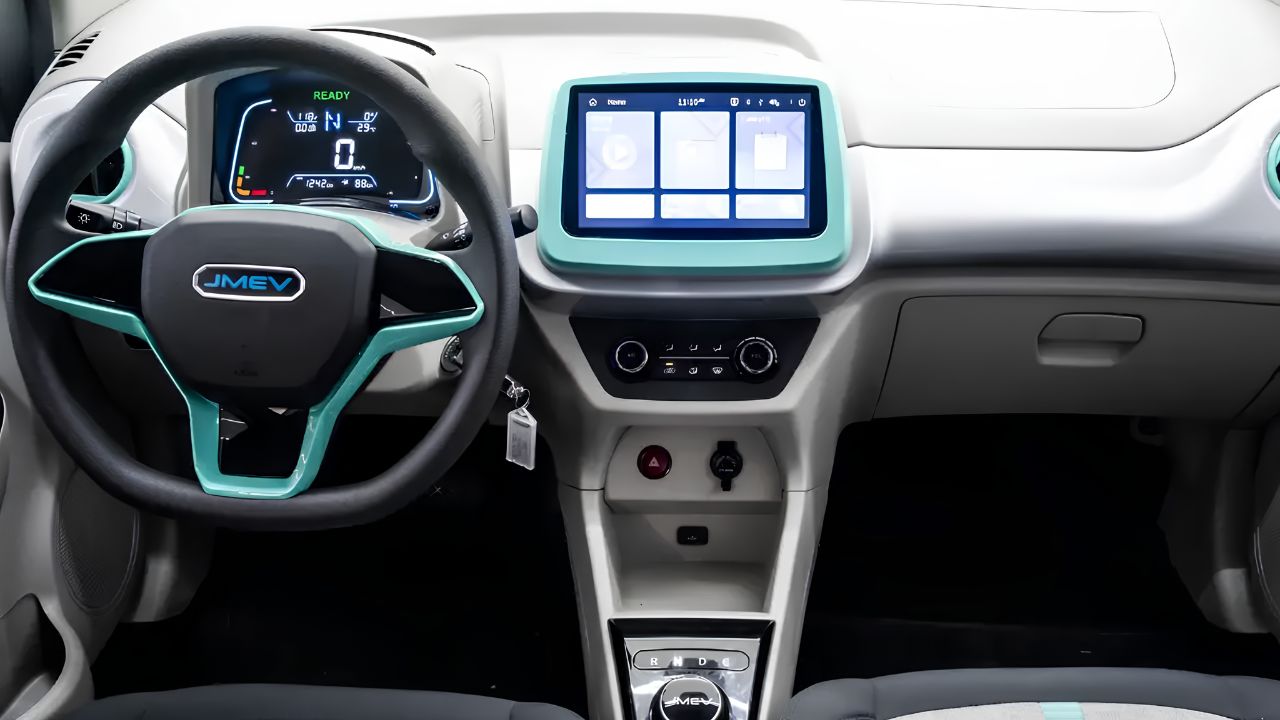
The Emova Easy was positioned as an entry-level car primarily intended for urban commuting. Its price of R$ 69,990 drew attention at launch for being below the values normally associated with electric vehicles available in Brazil.
The model featured a 40 hp engine and a declared range of up to 200 kilometers. One of its characteristics was the simulation of a manual gearbox, including a clutch pedal. The configuration was also designed to cater to the driving school market.
Emova Easy Data
- Announced price: R$ 69,990;
- power: 40 hp;
- range: up to 200 km;
- purpose: urban use;
- additional feature: simulated manual gearbox with clutch pedal.
Despite being presented to the public, the electric car did not reach the stage of first deliveries in the country.
Emova Urban offered 330 km range
The second model affected by the decision was the Emova Urban. Larger and more powerful than the Easy, the vehicle had been announced for R$ 99,990.
Its engine delivered 68 hp, while the reported range reached 330 kilometers.
Emova Urban Data
- Announced price: R$ 99,990;
- power: 68 hp;
- range: up to 330 km;
- purpose: urban commuting with greater range.
The halt thus affected the entire line that E-Motors initially planned to introduce to the national market.
Customers received back the reservation amounts
As deliveries had not yet begun, the importer canceled the reservations and refunded the deposits paid. The refund was issued both to buyers of the Emova Easy and to customers interested in the Emova Urban.
The measure temporarily ended the contracts initiated during the sales phase of the models. It was not disclosed whether former buyers will have priority if sales are resumed.
E-Motors electric cars had already undergone a name change
The commercial suspension was not the first change faced by the two models since the announcement of their arrival in Brazil. Initially, the vehicles were to be called EV2 and EV3. Kia contested the use of these initials at the National Institute of Industrial Property. After this challenge, the importer replaced the names with Emova Easy and Emova Urban.
Thus, the cars had their names changed even before reaching Brazilian consumers. E-Motors had developed an expansion strategy for the national operation. The plan included reaching 30 dealerships and selling a thousand units by the end of 2026.
With the halt in imports and sales, these goals cease to progress while the project remains suspended.
Previously announced objectives
- establish a network with 30 dealerships;
- sell a thousand vehicles by December 2026;
- offer two urban electric models;
- bring the Emova Easy closer to the driving school sector.
The company has not presented a new schedule for the store network or sales volume.
Resumption depends on the logistical scenario
The strategy informed by the importer is to wait for an improvement in international transport conditions. The company chose not to immediately adjust prices to incorporate the higher freight costs and increased taxation.
As a result, the electric cars from E-Motors, both the Emova Easy and the Emova Urban, remain out of commercialization, with no confirmed return forecast.
Source: CanalTech