






 Portuguese
  Spanish
  3 min of reading
  0 comments


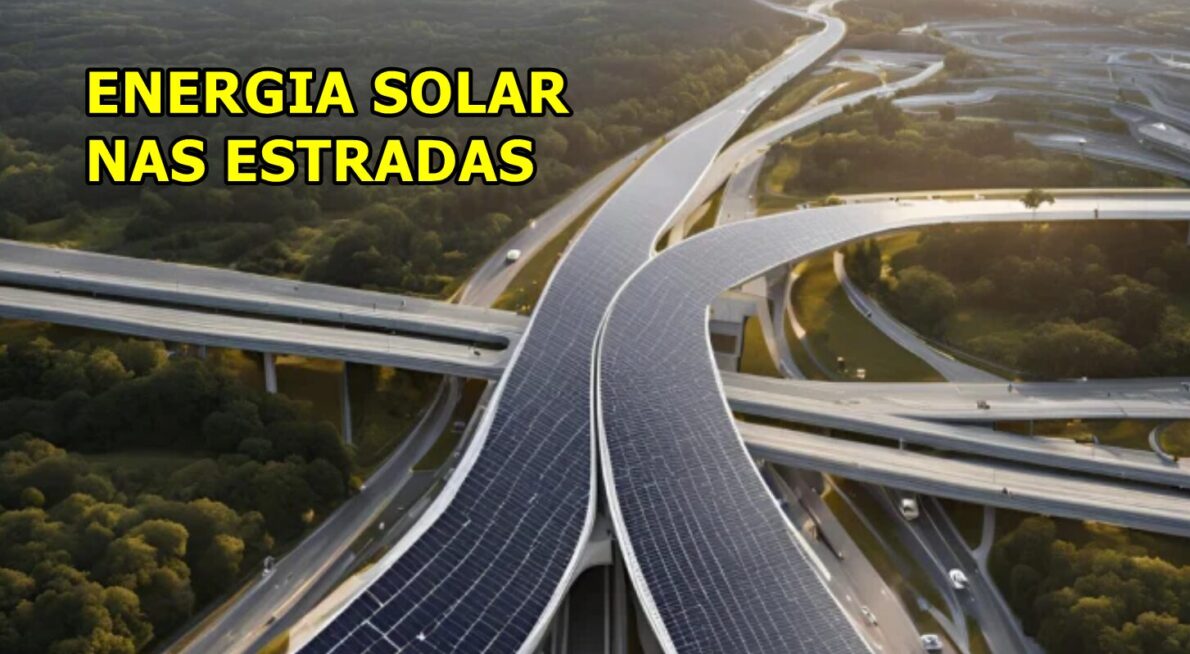
Sustainable Innovation: Covering Roads with Solar Panels Can Drastically Reduce Carbon Emissions and Increase Road Safety
The growing demand for sustainable solutions and the urgency to combat climate change have led scientists to explore innovative alternatives to reduce carbon dioxide emissions. Among these innovations, covering roads with solar panels emerges as a promising idea that can not only significantly reduce carbon emissions but also improve road safety.
Benefits of Solar Coverage on Roads
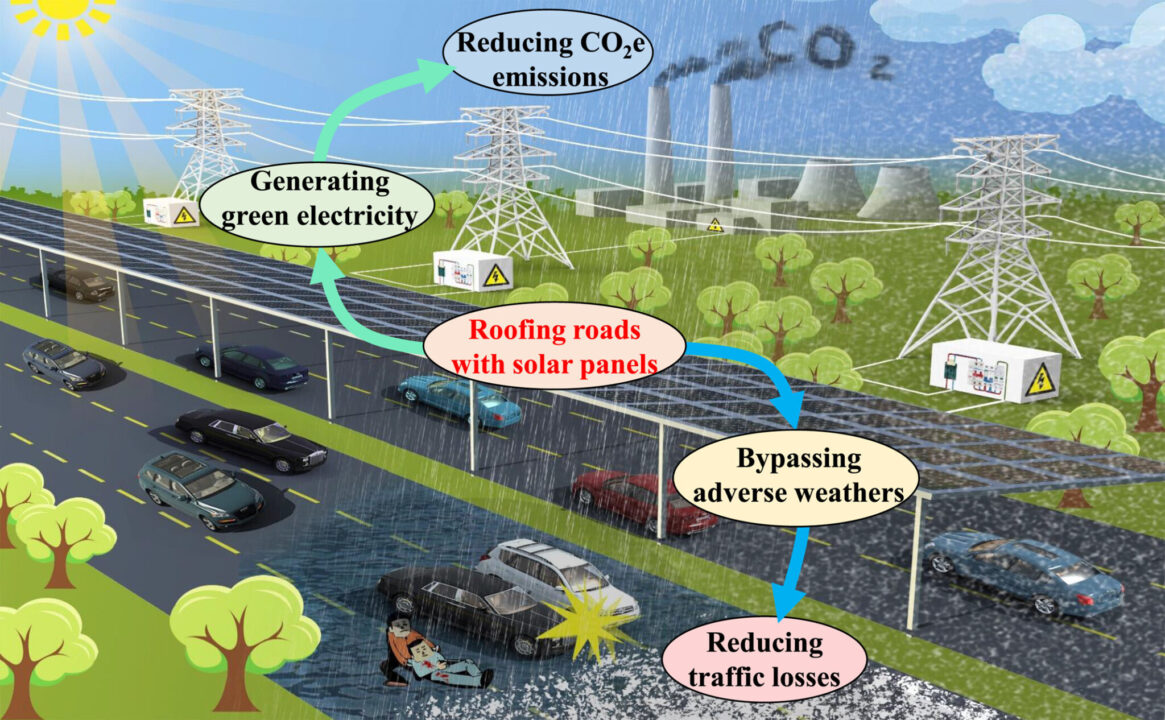
According to recent research, installing solar panel roofs over roadways around the world has the potential to reduce global carbon emissions by approximately 28%. This reduction occurs by limiting the need for fossil fuels, replacing them with clean energy generated by solar panels.
In addition to the environmental impact, the solar coverage on highways also offers additional benefits, such as protecting vehicles from the elements, which can decrease the occurrence of road accidents. The electricity generated by these installations could power millions of homes and industries, contributing to a global transition towards a more sustainable energy matrix.
-
Brazilian scientists are simultaneously advancing two research projects on clean hydrogen and driving solutions that could transform the energy matrix, enhance industrial competitiveness, and accelerate large-scale emission reduction targets.

-
Advancement in renewable energy: A R$ 150 million project launched by Petrobras and Finep aims to create state-of-the-art electrolyzers for green hydrogen, strengthening national research and preparing Brazil to compete in a billion-dollar energy market.
-
Solar energy can increase property value by up to 10% and become a selling point.
-
Illiterate or semi-literate grandmothers were trained to repair solar systems, open rural workshops, and light up homes that still depended on kerosene.




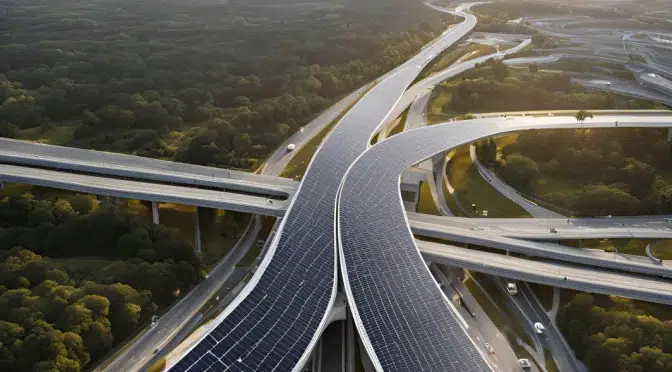
A Future with Solar Roads
The inspiration for this study came from a simple observation: roads, interconnected like a vast network, could be transformed into a source of photovoltaic energy. The Earth has more than 3.2 million kilometers of roadways, a considerable area that could be utilized for generating clean energy.
While parking lots with solar roofs have become common, applying the same technology on paved roads is still a new concept. Some countries have already initiated pilot projects to test the feasibility of photovoltaic roofs over highways, but there is still a long way to go before it becomes a common practice.
Feasibility and Global Impact
The research analyzed highways and arterial roads around the world, calculating the cost and potential energy generation of a global network of solar panels. The analysis was based on polysilicon photovoltaic panels with a capacity of 250 watts, positioned at a 10-degree angle to maximize solar light capture.
The study estimated that installing solar roofs over highways would require about 52.3 billion solar panels, capable of generating up to 17,578 terawatt-hours of electricity per year. This production represents more than four times the current annual energy generation of the United States.
The geographic distribution of these panel installations would primarily be in densely populated areas, such as eastern China, western Europe, and the eastern coast of the United States. These regions, with a large number of highways, would present the greatest potential for solar energy generation.
Contribution to Emission Reduction
With the global implementation of this network of solar roads, it would be possible to replace up to 9.66 gigatons of carbon dioxide emitted annually by fossil fuels. This is equivalent to approximately two-thirds of the greenhouse gas emissions of the United States in 2022, a significant contribution to combating climate change.
Challenges and Perspectives
Although the potential of solar roofs over highways is promising, the technical and economic feasibility still needs to be proven on a large scale. Installation and maintenance costs, as well as the particularities of each region, are factors that could influence the adoption of this technology.
However, with the decline in solar panel prices and the increasing demand for clean energy, projects like this could become a reality in the near future. The transition to a low-carbon economy is inevitable, and innovative solutions like covering roads with solar panels will play a crucial role in this process.





Be the first to react!