Portuguese
  Spanish


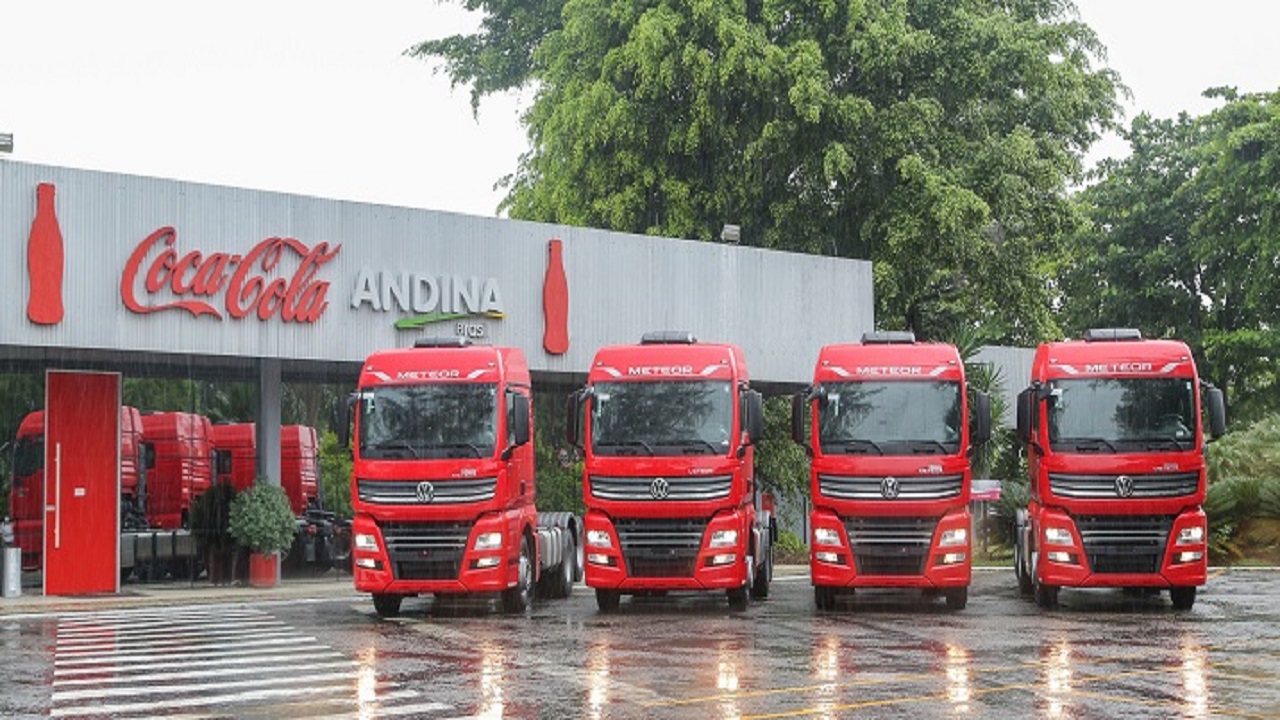

The Coca-Cola Andina Has Just Announced An Investment Of R$ 450 Million In A New Factory That Promises To Generate Hundreds Of Jobs In Brazil.
Coca-Cola Andina, one of the largest bottlers of Coca-Cola in Brazil, will invest in a new beer factory and will expand the production capacity of Therezópolis, the brewery it purchased with Coca-Cola Femsa at the end of 2021, by 15 times. The investment, which promises to generate several jobs, is another step for the company toward the beer market and suggests that other bottlers in the Coca-Cola System may also be authorized to invest in alcohol capacity, which had until recently been a challenge in Atlanta.
First Phase Of The New Factory Is Expected To Arrive In 2024
The first phase of the new Coca-Cola Andina factory, which will require a capex of R$ 450 million, is expected to be completed by the end of 2024 and will have a production capacity of 750,000 hectoliters annually, according to sources.
Starting in 2027, Andina plans to expand this manufacturing park to 1.2 million hectoliters per year, and by 2030, to 2 million hectoliters annually. By comparison, Heineken produces 50 to 60 million hectoliters per year in the country, while Ambev generates over 100 million.
-
A 180-meter ship with a deck the size of a football field was christened to carry 25,000 tons of giant energy modules around the world.

-
To erect the “Baleia” building on the richest avenue in Brazil, he bought 35 houses, paying with trips to Disney, a truck, and even an apartment, waited over 20 years, and today the complex is valued at R$ 2.5 billion.
-
The land belonged to her great-great-grandfather and was worth R$ 25 per square meter during the pandemic; the couple sold 250,000 m² for the nearly R$ 30 billion project that is transforming the “neighbor of Jericoacoara,” and today a house in the region goes for R$ 4.2 million.

-
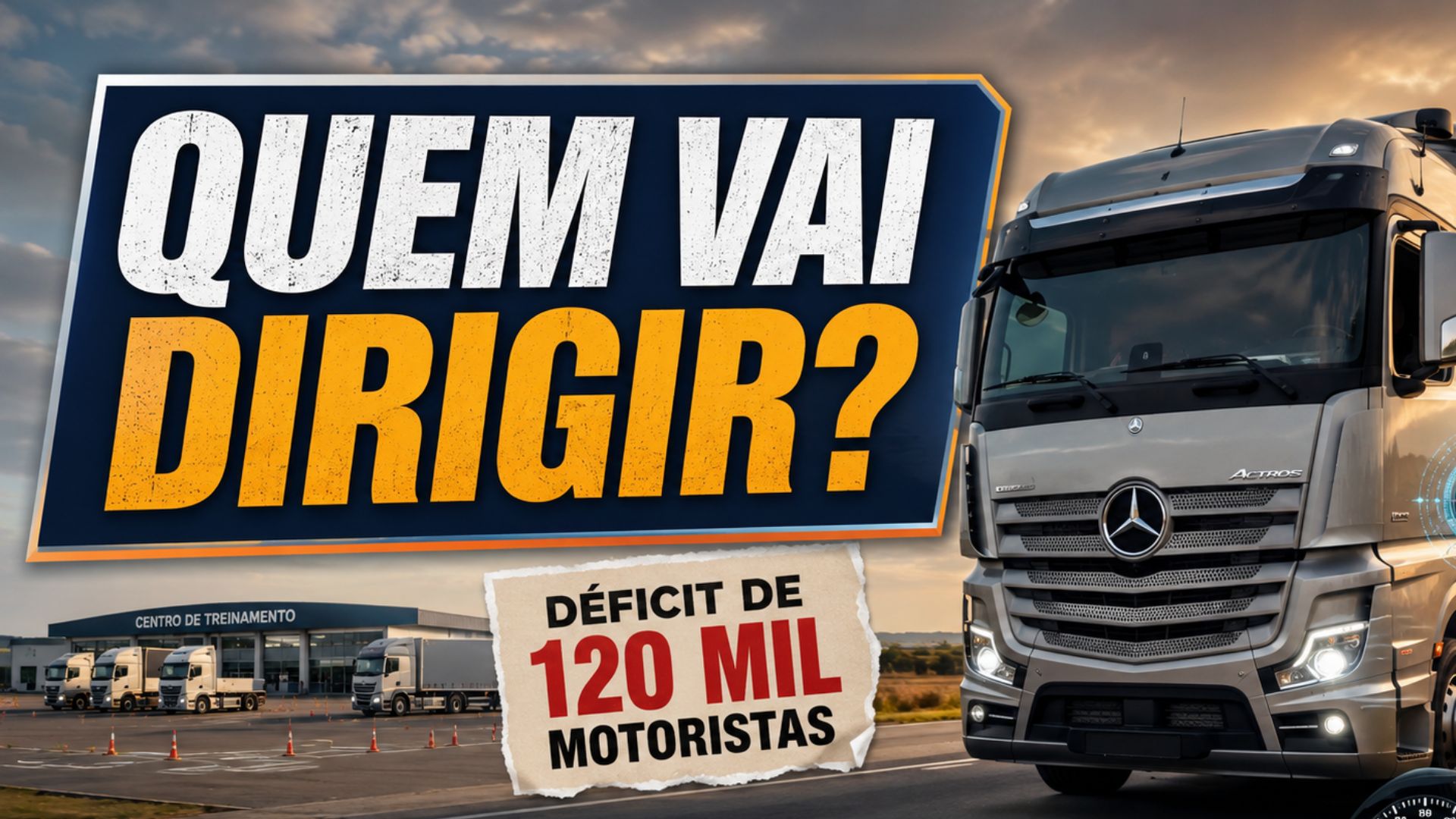
Labor shortage reaches the truck drivers’ area: Brazil is already facing a deficit of 120,000 drivers, 65.1% of transport companies feel the impacts, and Mercedes-Benz strengthens training in the face of the new generation of technological trucks.


In addition to working with the Therezópolis brand, the new Coca-Cola Andina factory will also serve strategic partners of Andina in the beer sector, sources said. Currently, the bottler distributes Estrella Galícia in the country. Andina is in the process of evaluating logistical and tax issues to decide where the facility will be installed, generating several jobs. Options on the table include the states of São Paulo, Espírito Santo, Rio de Janeiro, and Minas Gerais, where Coca-Cola Andina has a strong presence.
The Brazilian Market Is Set To Gain A Major Competitor
With the investment in the new factory, which will create several jobs with Therezópolis, there are expected to be repercussions in the national beer market, which has not seen a major competitor in decades and is extensively dominated by Ambev and Heineken, and to a lesser extent, by Petrópolis, which has been struggling for several years.
The idea of Coca-Cola Andina is not to compete head-on with the mainstream brands in the market. The focus is to position the brand as premium and super premium, competing with labels like Stella Artois and Heineken itself.
According to reports, they do not want to have a gigantic scale in the mainstream sector, but instead be relevant in this premium niche. Competing with Ambev and Heineken in the main brands is very complicated, to the extent that the Petrópolis group is paying the price for it.
The premium or super premium sector is also one of the fastest-growing segments in the beer market, which fueled Coca-Cola Andina’s investment decision. According to Nielsen, this sector, which includes products with at least a 120% premium over mainstream prices, now accounts for 21% of the Brazilian beer market.
End Of The Contract Between Heineken And Coca-Cola
The investment by Andina and Femsa in the new factory was largely a response to the termination of the distribution contract that Heineken had with the Coca-Cola System since the 1980s. After acquiring Brasil Kirin, inheriting its distribution capacity, Heineken decided to prematurely terminate the contract for the Amstel and Heineken brands.
The agreement was maintained for the Kaiser, Eisenbahn, Bavária, Tiger, and Sol brands, which had a small representation of the total volume. The move naturally created a significant gap in the revenue of both bottlers, who decided to fill the void with their own beer brand.