Portuguese
  Spanish




More Brazilian Consumers Are Investing in Solar Collectors to Reduce Costs and Boost Clean Energy Generation. The Rise in Electricity Prices and the Winter of 2025 Strengthen This Strategic Choice.
According to Komeco, a manufacturer in the sector since 1994, the demand for efficient thermal solutions hit a record in early June 2025, when Aneel confirmed the red flag in all regions. This combination heats up the solar heater market and reinforces the change in consumer behavior.
New Technology Increases Thermal Energy Production
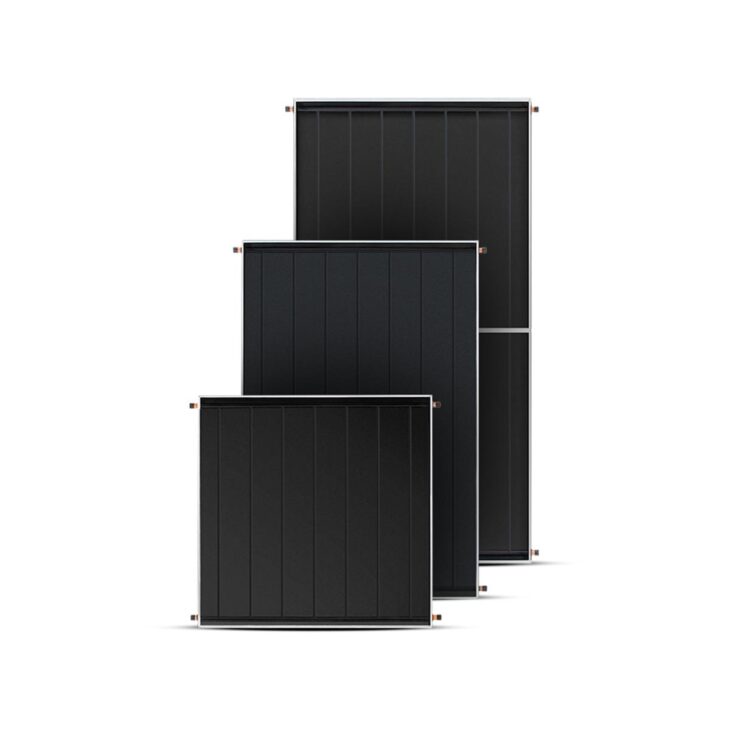
Komeco recently launched the Maxime Prime solar collector, which promises to generate up to 20% more thermal energy per square meter. This efficiency is compared to models of the same price, according to internal data released by the company in May 2025.
The innovation uses copper coils, a material that ensures excellent heat transfer. In addition, the thermal insulation in PET wool retains heat for longer, without the risk of fire. The plates received special paint, increasing the utilization of sunlight.
-
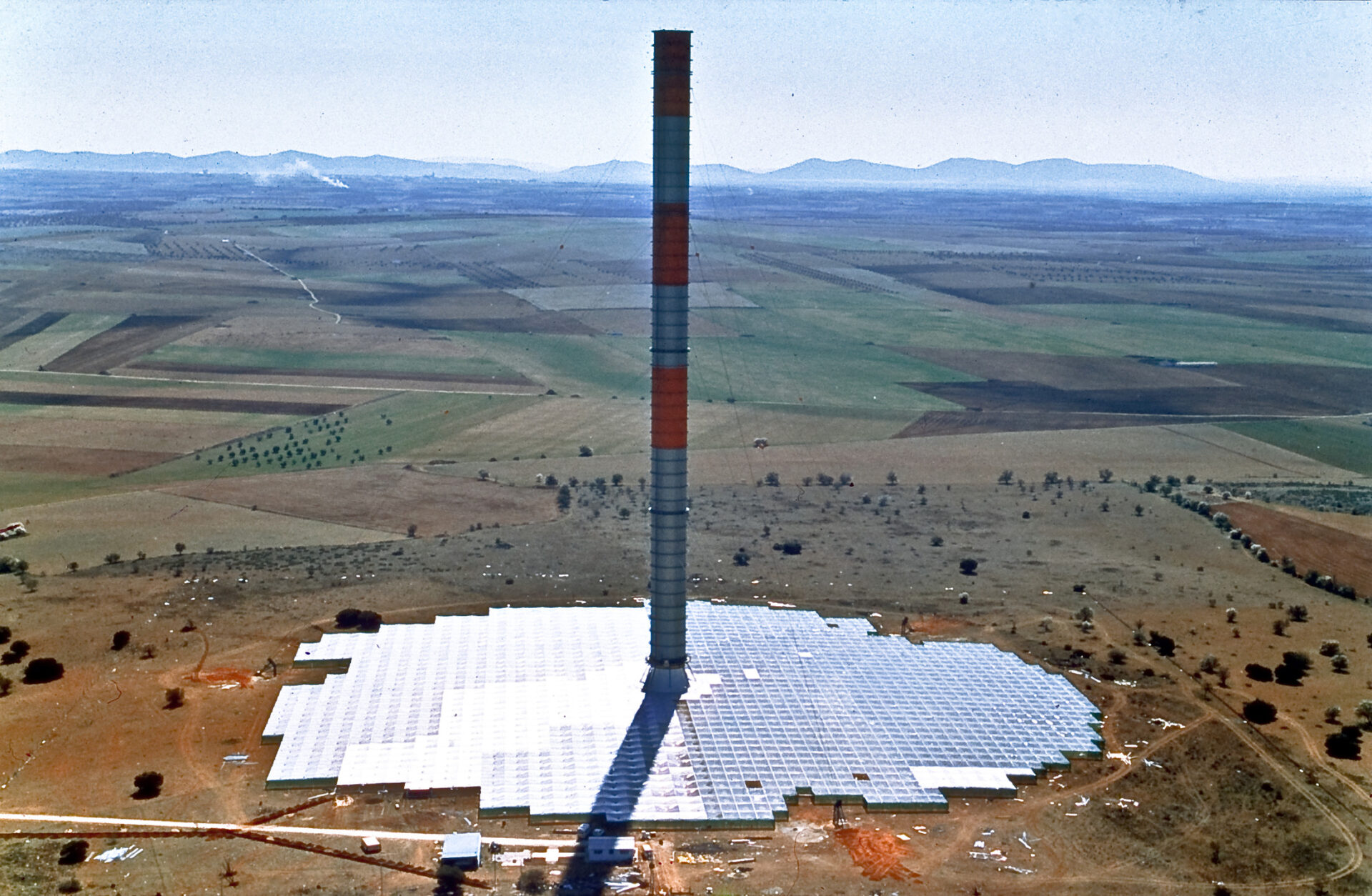
Solar Chimney in Spain Harnessed Sun to Generate Electricity for 7 Years Without Burning Fuel

-
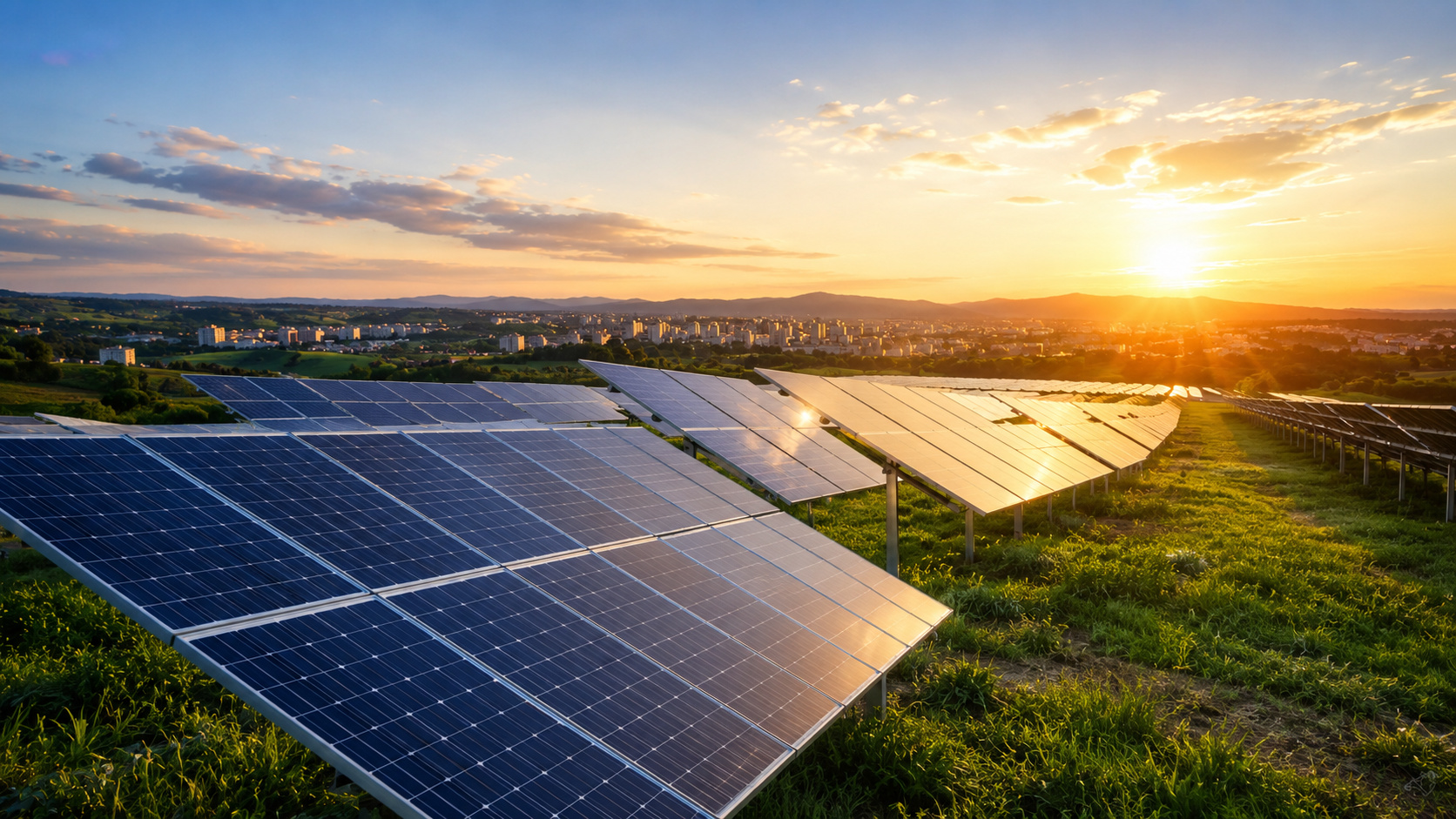
Solar energy reaches 55 GW, becoming the second largest power source in Brazil’s energy mix

-
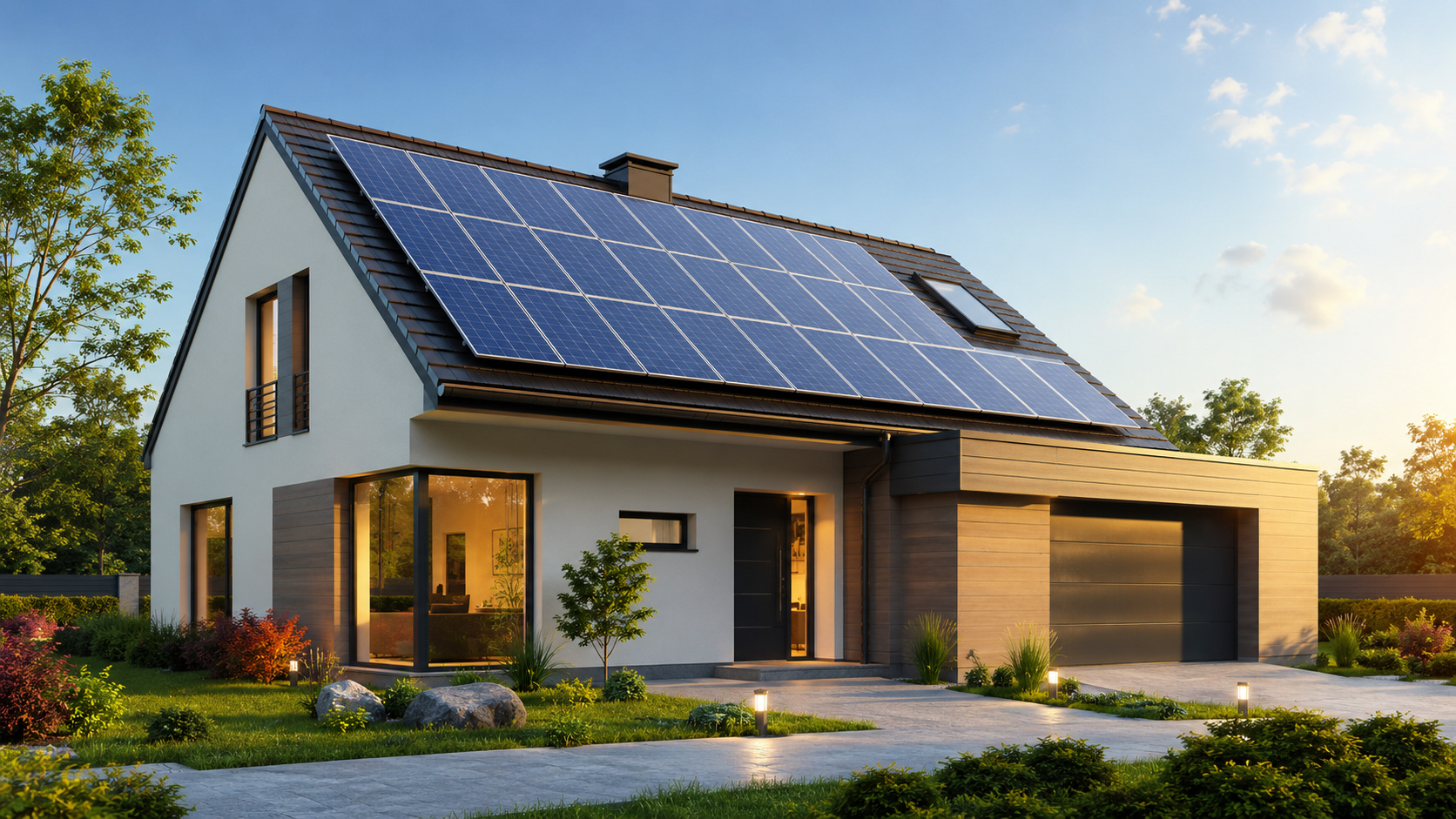
Solar energy can increase property value by up to 10% and become a selling point.
-
Solar and wind energy surpass natural gas for the first time in the world and accelerate energy revolution


According to engineer Ronaldo Yano, the system was redesigned to prevent internal condensation, ensuring greater durability. These improvements earned the product the A Rating from Inmetro, validated in May 2025.
Economic and Social Impacts of Solar Adoption
Solar heating is not just synonymous with domestic savings. A study by the Brazilian Association of Photovoltaic Solar Energy (Absolar), published in April 2025, shows that each new installation avoids the use of energy generated by polluting thermoelectric plants.
With the red tariff flag from Aneel, announced in May, consumers may pay up to 20% more for conventional electricity. Thus, the replacement with solar thermal energy alleviates the budget and strengthens the renewable matrix.
In São José (SC), where Komeco operates, the second production line of Maxime Prime has created 30% more direct jobs, according to a report from the Business Association of São José, in May 2025.
Search for Sustainable Efficiency Grows
The Brazilian Association of Refrigeration, Air Conditioning, Ventilation and Heating (Abrava) reveals that 70% of sales of solar collectors occur between May and August. During this period, the use of hot water increases and savings become even more evident.
Despite the initial investment, research from the Institute of Technological Research (IPT), released in January 2025, indicates that consumers recover their spending in up to three years, with an average reduction of 35% on their electricity bill.
The technology also positively impacts the carbon footprint, aligning Brazilian homes with sustainable practices. Experts point out that the expansion of thermal collectors contributes to the goals of the Paris Agreement.
Challenges of Access and Regulation
Not everything is simple for those who want to switch to solar heating. The high initial cost still hinders many families. Therefore, credit lines, such as the Climate Fund from BNDES, expanded in February 2025, play an essential role.
Furthermore, there is a lack of clear information about the long-term benefits. Absolar advocates for more educational campaigns to reinforce that the financial and environmental returns are guaranteed.
Just like gold mining, the use of solar energy requires sustainable planning. Experts warn that poor installation can lead to waste and compromise results.
Solar Collectors in the Global Scenario
The bet on solar collectors follows a global trend. In several countries, such as Germany and China, incentive policies have made thermal energy an ally in reducing dependence on fossil sources.
International reports, released in 2023, indicate that Brazil has the potential to double its share in the solar matrix by 2030, if it maintains the current growth rate.
Each panel installed represents fewer greenhouse gases, less pressure on hydropower plants, and reduced costs for the population.
And What Does the Future Hold for Solar Energy?
For experts, the solar collector is not just a seasonal solution but a strategic investment that transforms the way the country generates and consumes energy.
Komeco is betting on the combination of technology, national production, and competitive pricing to lead this change.
The biggest challenge, according to engineer Ronaldo Yano, is ensuring that each consumer understands that solar energy is more than just savings: it is environmental responsibility.
Meanwhile, Brazil needs to balance financing, information, and regulation to expand access for those who have not yet adopted the technology.