






 Portuguese
  Spanish


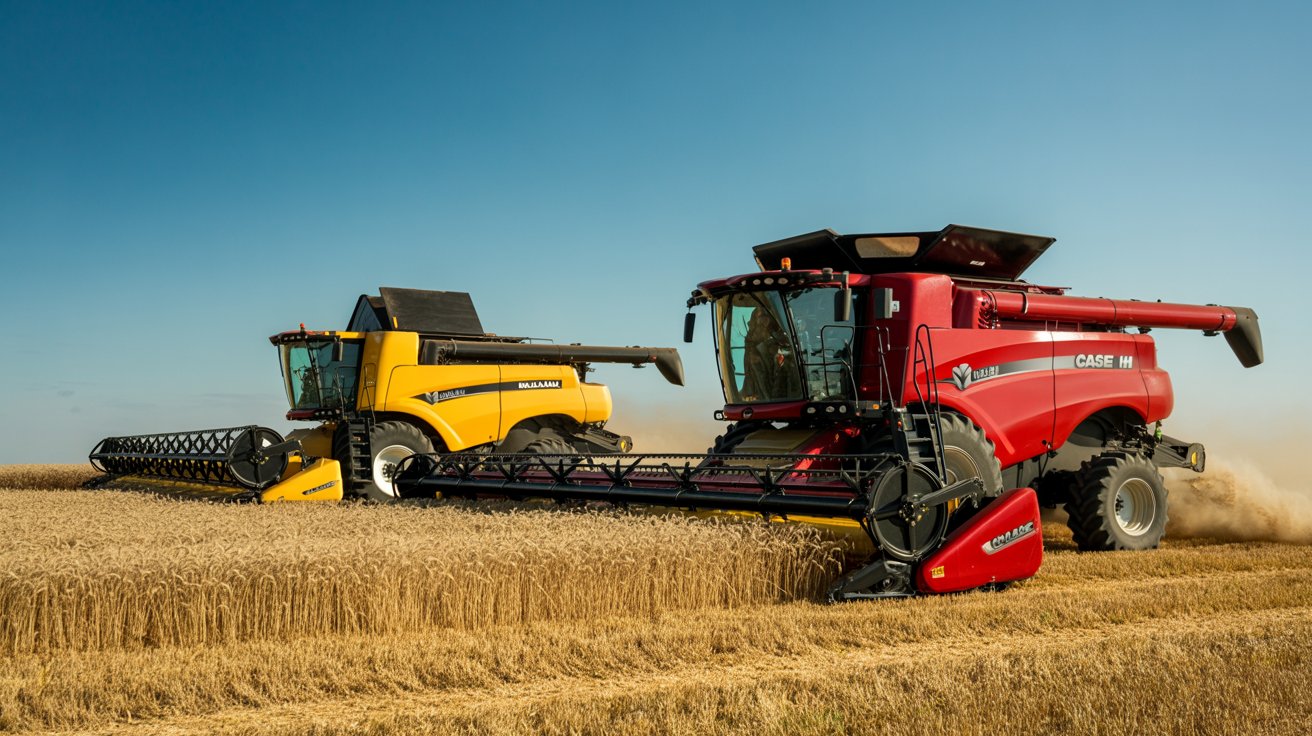

Cutting-Edge Technology and Innovation in the Field Transform Agriculture, with Machines that Optimize Productivity and Reduce Losses, Taking Brazilian Agribusiness to a New Level.
The largest and most advanced harvesters on the market, Case IH AF10 Automation and New Holland CR11, starred in one of the biggest duels in agribusiness during Agrishow 2025.
These machines are true monsters of the field, with cutting-edge technology, impressive power, and prices that exceed R$ 8 million.
They are the most sophisticated in the world of harvesters, promising high efficiency, minimal losses, and advanced automation, all to maximize agricultural productivity.
-
How to Prevent Brown Recluse Spider Bites: Common Hiding Spots and Free Tips to Reduce Risks

-
Natto: The Unusual Japanese Superfood Gaining Popularity on Social Media and Driving Record Exports
-
Brazilian Mayor Goes Undercover as Homeless for 24 Hours to Assess Public Services

-
15-Year-Old Entrepreneur Malu Lira Publishes 20 Children’s Books on Financial Education, Earns $500,000, and Expands Her Project to the Amazon Rainforest





Cutting-Edge Technology: The Difference Between Single and Double Rotor
The Case IH AF10 Automation and New Holland CR11 share many characteristics in common, such as the impressive power of 775 hp, grain tank capacity of 20,000 liters, and cutting platforms of up to 61 feet.
However, they stand out in their distinct approaches to achieving maximum efficiency.
Case IH employs a single rotor, while New Holland bets on a double rotor system, known as Twin Rotor.
These differences are fundamental to the machine’s choice, depending on the type of crop and field conditions.
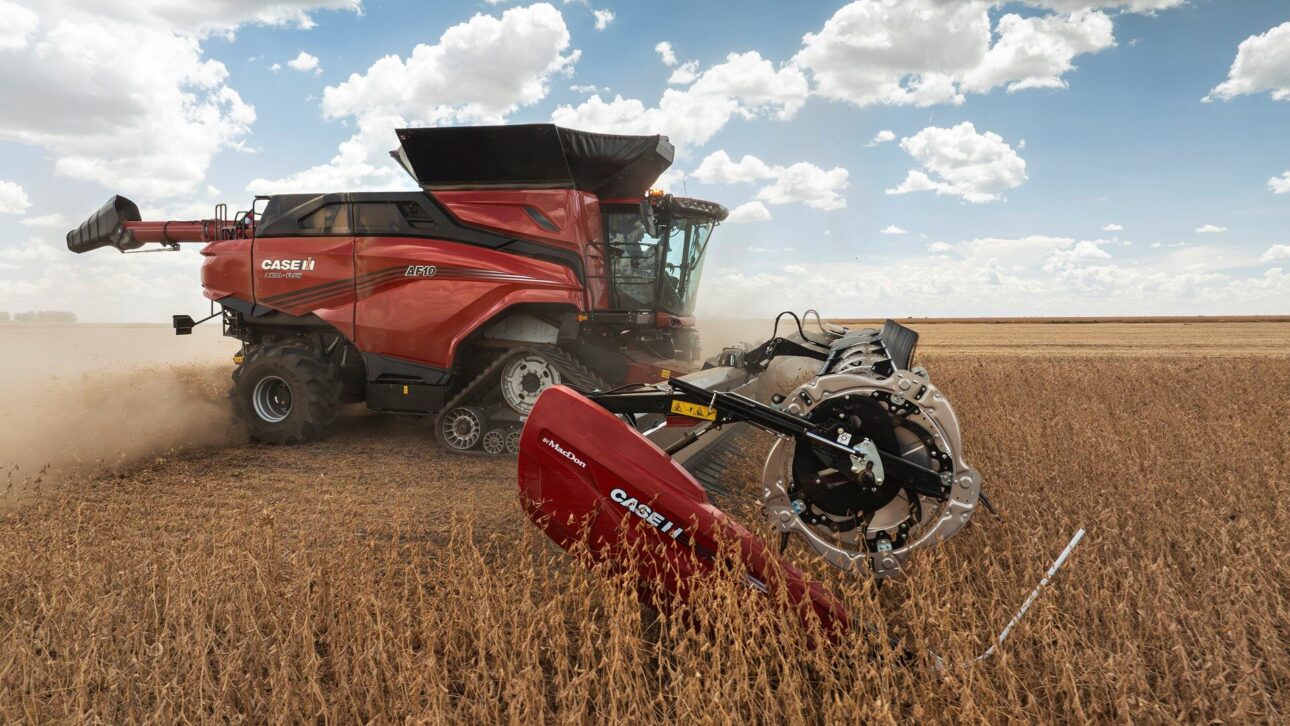
The Case IH AF10 Automation is a model that represents the peak of axial harvesters.
Equipped with the Automation 2.0 system, it performs up to 1,800 automatic adjustments per day, optimizing the harvesting process and drastically reducing losses.
This intelligent system enhances the machine’s performance by adjusting parameters in real-time to ensure efficient operation with minimal human intervention.
On the other hand, the New Holland CR11 utilizes Twin Rotor technology, a system that separates and threshes the grain in a more aggressive manner, ideal for crops requiring more efficient separation, such as wheat.
Additionally, the CR11 features the IntelliSense system, which automatically adjusts the harvester’s parameters based on field conditions, ensuring maximum performance with minimal operator intervention.
Technical Comparison: A Detailed View
| Characteristic | Case IH AF10 Automation | New Holland CR11 |
|---|---|---|
| Rotor Type | Single Rotor | Double Rotor (Twin Rotor) |
| Power | 775 hp | 775 hp |
| Grain Tank | 20,000 liters | 20,000 liters |
| Cutting Platform | Up to 61 feet | Up to 61 feet |
| Unload System | 212 l/s | 210 l/s |
| Automation | Automation 2.0 (90% autonomous) | IntelliSense with AI |
| Estimated Grain Losses | <1% | <1% |
| Estimated Consumption | Lower than previous models of series 260 | Between 40–60 l/h (base CR10) |
| Average Price (Brazil, 2025) | R$ 6.5 to R$ 7.5 million | R$ 6.8 to R$ 8 million |
Price and Technology: Reflection of a High-Performance Machine
The high cost of these harvesters directly reflects the technology incorporated.
With prices that can reach up to R$ 8 million, both Case IH and New Holland are aimed at large producers, cooperatives, and agricultural plants operating on a large scale.
These harvesters are not just agricultural machines, but true intelligence centers on wheels, capable of optimizing every hectare of a plantation.
Compared to previous models, both the Case IH AF10 Automation and the New Holland CR11 offer greater fuel efficiency, lower grain losses, and automation technology that minimizes human error and maximizes productivity.
The combination of these factors justifies the high investment, especially for those who aim for the maximization of profits with harvesting.
Which to Choose? The Choice Depends on the Crop and the Producer’s Needs
The choice between the Case IH AF10 Automation and the New Holland CR11 goes far beyond technical questions; it involves an agricultural strategy.
Each machine is designed to meet different needs, and the decision should be made according to the characteristics of the crop.
The AF10 Automation is ideal for producers looking for a simple-to-operate machine, with high harvesting efficiency and less damage to the grain.
It is more suitable for crops like corn and soybeans, where a more delicate and precise threshing process is needed.
In contrast, the New Holland CR11 excels in heavy straw crops, such as wheat, where the double rotor ensures a more aggressive and efficient separation of the grains, especially in more challenging terrains.
The Future of Brazilian Agribusiness: Technological Leadership in the Field
The Case IH and New Holland harvesters exemplify the innovation and advancement of Brazilian agribusiness on the global stage.
The country not only keeps up with trends in technological innovation but also leads the transformation of the agricultural sector.
With a market that increasingly demands efficiency and productivity, these harvesters not only meet these demands but also position Brazil at the forefront of agricultural technology.
The impact of these machines is not just economic but also sustainable.
By reducing grain losses and improving fuel efficiency, they contribute to more sustainable agriculture with less environmental impact.
This is crucial, especially considering the growing demand for food and the need for smarter and less invasive production on the environment.
The Right Choice for Your Crop: More than Just a Technical Decision
The choice between single or double rotor, between the Case IH AF10 Automation and the New Holland CR11, should not be made solely based on technical specifications.
One must consider the profile of the agricultural operation, the type of crop, soil conditions, and even the operator’s experience.
However, one thing is certain: the future of agriculture lies in machines that not only harvest but also understand the field and adapt to it.
Have you ever had experience with any of these high-tech harvesters? Which one would you choose for your crop and why? Share your opinion in the comments!






