





 Portuguese
  English
  Spanish
  3 min of reading
  0 comments


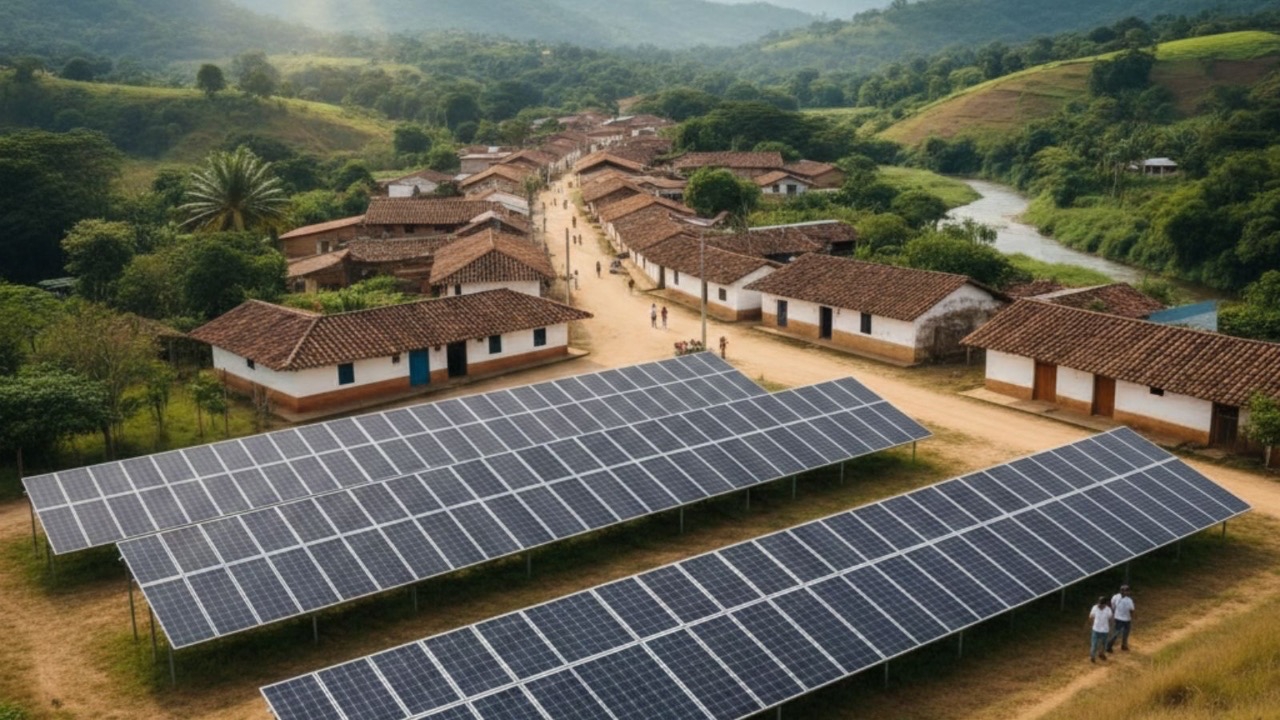
Mini Solar Farms Gain Space in Colombia by Combining Installation Speed, Generating Up to 1 MW and Direct Impact on Energy Security in Rural and Urban Areas
Mini Solar Farms are small-scale photovoltaic energy generation installations that began to gain traction in Colombia in recent years as a direct response to the crises caused by the El Niño phenomenon, the dependence on hydroelectric power, and the urgent need to diversify the energy matrix. They operate through solar panels connected to smart systems, are deployed in rural and urban areas, come online in a few months, and emerge as a solution because they provide clean, stable energy closer to consumers.
Unlike large solar parks, which require extensive areas and complex transmission networks, mini solar farms produce up to 1 MW of energy and can be installed near communities, schools, research centers, and small towns. This reduces losses, increases system security, and strengthens local energy autonomy, especially in regions historically affected by blackouts.
Why Mini Solar Farms Have Become Strategic in the Colombian Energy Scenario
Colombia relies heavily on hydroelectric generation, which suffers direct impacts during prolonged drought periods. According to official data from the Ministry of Mines and Energy, more than 60 percent of the country’s electricity still comes from hydraulic sources, increasing the risk of rationing during extreme weather events.
-
The world could operate on clean electricity by 2050, but a study indicates that this would require up to 20 TW of renewable energy, more than 9 million hectares for solar, and strong cooperation between countries.

-
New catalyst developed by scientists in the USA enhances the performance of water electrolysis without using platinum, reducing operational costs and expanding the potential of green hydrogen as a strategic alternative for industries, heavy transportation, and clean energy generation.
-
China implements basalt fibers tested on the Moon to contain the desert’s advance in 1 million hectares, and the program surprises scientists worldwide.
-
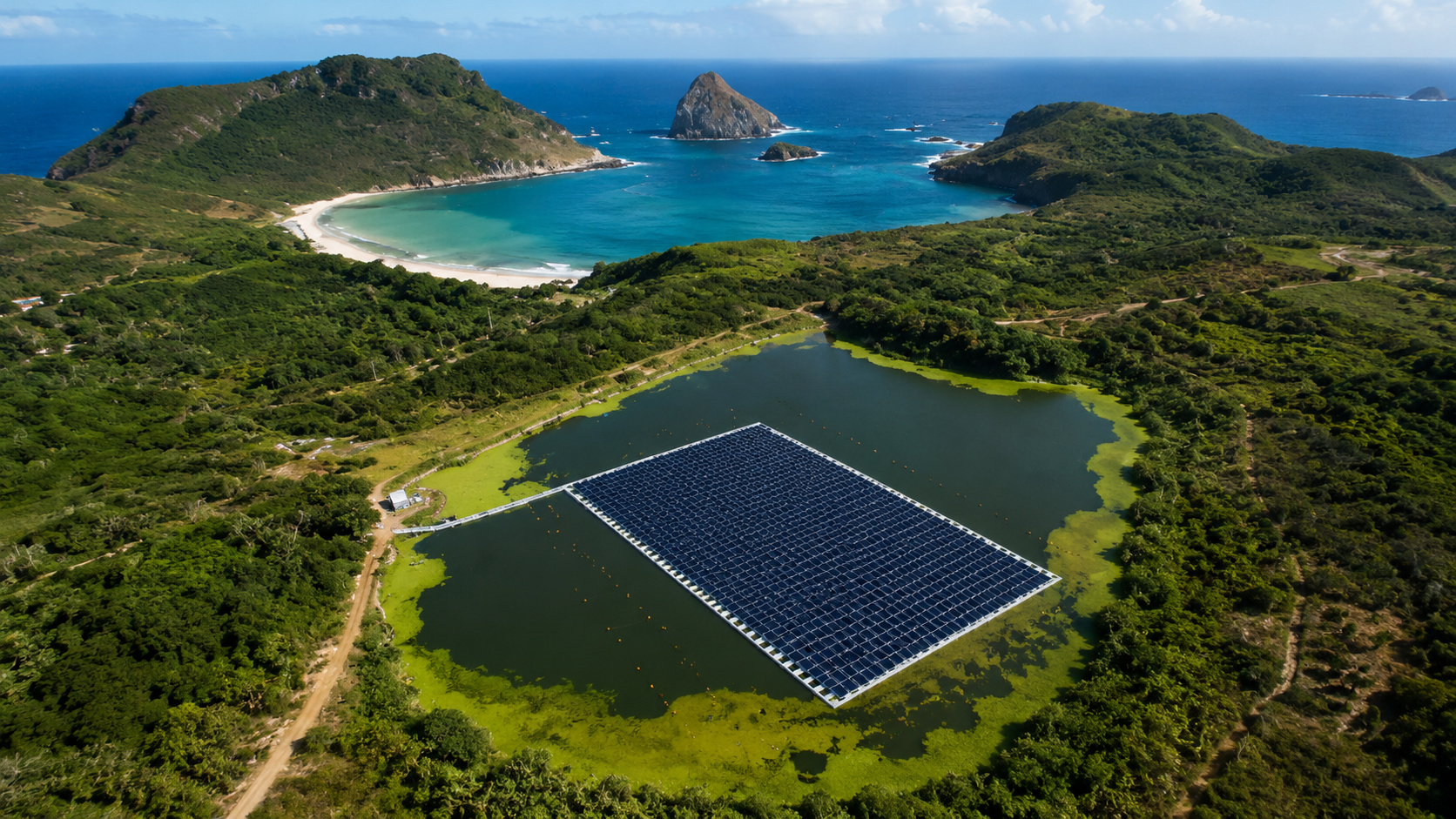
Fernando de Noronha begins unprecedented energy transformation with a R$ 350 million solar plant that promises to replace diesel generation and change the island’s sustainable future by 2027.



In this context, mini solar farms emerge as an intermediate alternative between residential systems and large plants. They are quick to implement, require lower initial investment, and can serve entire communities. Additionally, they help reduce carbon emissions, aligning the country with international climate goals set by the Paris Agreement.
Where the Technology Is Already Working and Which Regions Benefit Most
The César department has become one of the main living laboratories of this transformation. It was there that Colombia’s first open-air solar laboratory was born, a space that combines energy generation, research, and technical training. The project attracts students and professors from the National University of Colombia and the Popular University of César, strengthening the connection between science, education, and regional development.
Currently, the country has more than 19 mini solar farms in operation and three under construction. The announced goal by companies in the sector is to reach 200 projects in the coming years, creating local jobs and expanding access to clean energy in historically neglected regions by the traditional system.
Who Develops Mini Solar Farms and How the Technology Works in Practice
Colombian companies such as Unergy and Solenium lead the development of these projects, betting on accessible models with a strong social impact. According to Eduardo Ospina, CEO and co-founder of both companies, mini solar farms are changing the way energy is produced and consumed in the country, promoting self-sufficiency and reducing dependence on distant grids.
As a technological ally, Huawei works with the Fusion Solar platform, which utilizes digital systems for continuous monitoring, increasing efficiency, and rapid response to failures. According to the company, this technology allows for greater stability and better utilization of the generated energy.
The expansion of mini solar farms shows that the energy transition can happen in a decentralized, faster manner with direct benefits for the population.










Be the first to react!