Portuguese
  Spanish


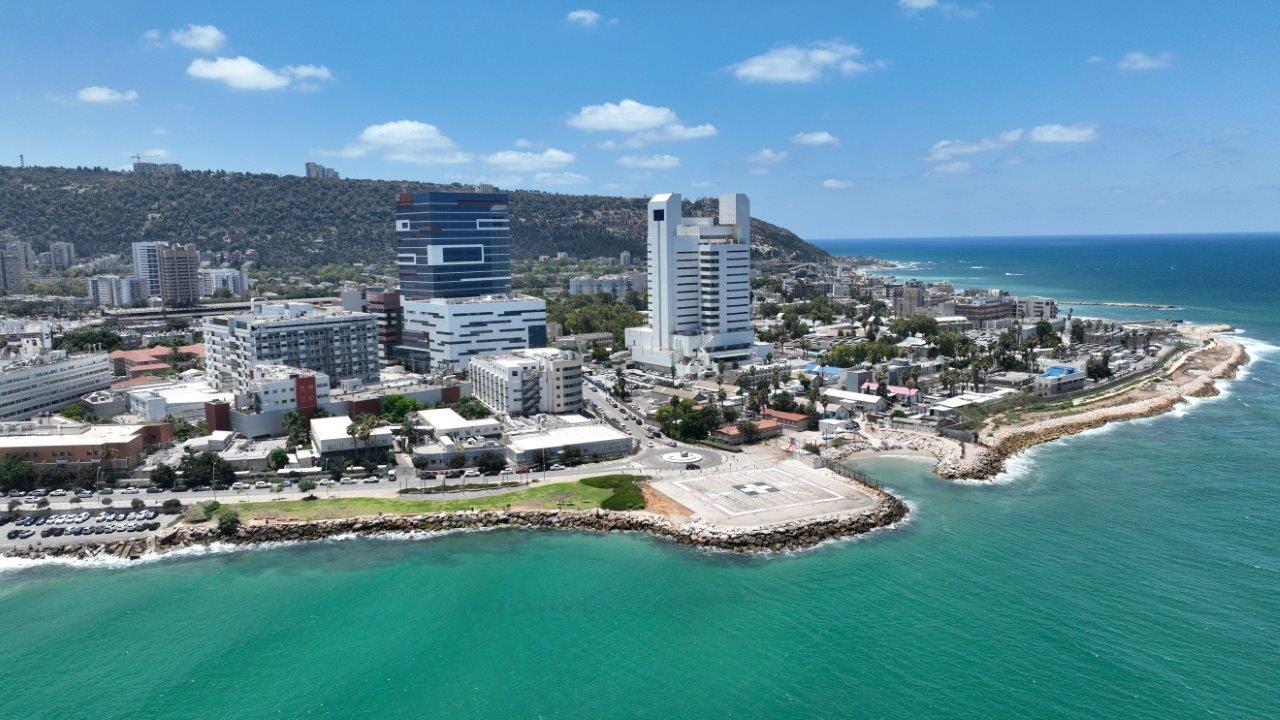


Rambam Hospital Has 60,000 m² Underground, Up to 2,000 Beds, and Was Designed to Continue Operating Even During Airstrikes.
In regions where armed conflicts are part of state planning, hospitals cannot be conceived only for peacetime. In Israel, this logic led to the creation of one of the most unusual hospital infrastructures in the world: the underground hospital of Rambam Health Care Campus, in Haifa. What at first glance seems to be just a large modern medical center hides, below ground, a structure designed to function even in total war scenarios.
A Hospital That Was Born With a Dual Function
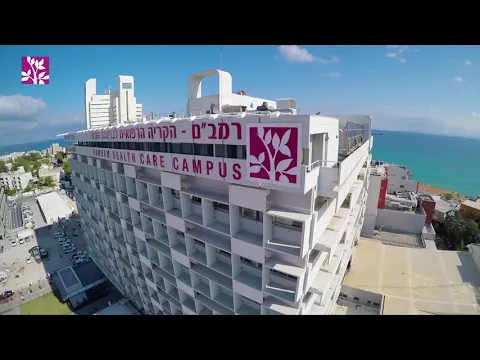
The Rambam Health Care Campus is one of the largest and most important hospitals in the country, serving millions of people every year.
During the Lebanon War in 2006, the hospital was even an indirect target of rocket attacks, highlighting a critical problem: surface hospitals are extremely vulnerable in conflict zones.
-
While the World Opens New Airports and High-Speed Trains, Brazil Rushes to Complete Projects Stalled for 40 Years

-
Brazil Invests in Massive Waterway to Transport Soybeans by Barge, Reducing Costly Truck Reliance
-
Bridge Rebuilt in Just One Year Reconnects Two Brazilian States
-
Custom Furniture Costs in Brazil Expected to Range from $350 to Over $1,450 per Square Meter by 2026, with Kitchens, Closets, and Laundries Highlighting the Impact of Premium Features



The response was not improvised. The solution came years later, with a project that united hospital engineering, civil defense, and underground architecture on an unprecedented scale.
A Parking Lot That Becomes a Hospital in a Few Hours
The underground structure of Rambam was initially conceived as a large parking facility, but from the original design it was already prepared for emergency conversion.
The total area reaches about 60,000 square meters, distributed across several levels below ground.
Under normal conditions, the space functions as a parking lot. In the event of war or an imminent attack, the site can be transformed into an operational hospital in approximately 72 hours, with the installation of beds, medical equipment, makeshift surgical centers, and complete life support systems.
Capacity for Up to 2,000 Patients
When fully activated, the underground hospital of Rambam can accommodate up to 2,000 beds, a number comparable to that of large surface hospital complexes. This capacity was designed for extreme scenarios, with a large number of casualties arriving simultaneously.

The structure includes areas for hospitalization, intensive care units, operating rooms, triage areas, and spaces for medical teams, all protected by layers of reinforced concrete and the surrounding rock mass.
Natural Ballistic Protection and Defensive Engineering
Unlike classic military bunkers, the underground hospital of Rambam does not rely solely on artificial shields.
The mountain and the soil above the structure serve as natural ballistic protection, capable of absorbing impacts and fragments from external explosions.

This combination drastically reduces the risk of structural collapse and protects patients, health professionals, and sensitive equipment. The project considered scenarios of aerial attacks, nearby explosions, and power outages.
Autonomy in Energy, Air, and Water
To continue functioning even under attack, the underground hospital has independent power systems, ventilation, and water supply. Generators, air filtration systems, and technical reserves allow for continuous operation even if the surrounding urban infrastructure is damaged.
Environmental control is also essential. The ventilation was designed to maintain adequate air quality in enclosed spaces for long periods, which is critical when thousands of people are concentrated below ground level.
Engineering Designed to Save Lives, Not for Show
Despite its complexity, the underground hospital of Rambam was not created as a symbolic work or demonstration of power. It continues to operate almost invisibly on a daily basis, ready to be activated only when necessary.
This philosophy distinguishes the project from traditional military bunkers. Here, the focus is not on enduring indefinitely, but on ensuring continuous medical care in situations where any interruption could cost lives.
A Model Observed by Other Countries
The Rambam Health Care Campus has become an internationally studied example of a resilient hospital, especially by countries facing seismic risks, armed conflicts, or severe natural disasters. The idea of integrating critical civil infrastructure underground gained traction after the project’s completion.
In an increasingly unstable world, underground hospitals have ceased to seem excessive and have begun to be viewed as an urban survival strategy.
When Health and Defense Meet
The underground hospital of Rambam represents a rare meeting point between medicine and defensive engineering.
Instead of evacuating patients or interrupting care at critical moments, the project allows for exactly the opposite: continuing to operate when everything around collapses.
With 60,000 square meters below ground, capacity for thousands of patients, and protection guaranteed by the geology itself, Rambam demonstrates that, in certain contexts, saving lives requires going well beyond the surface.