Portuguese
  Spanish


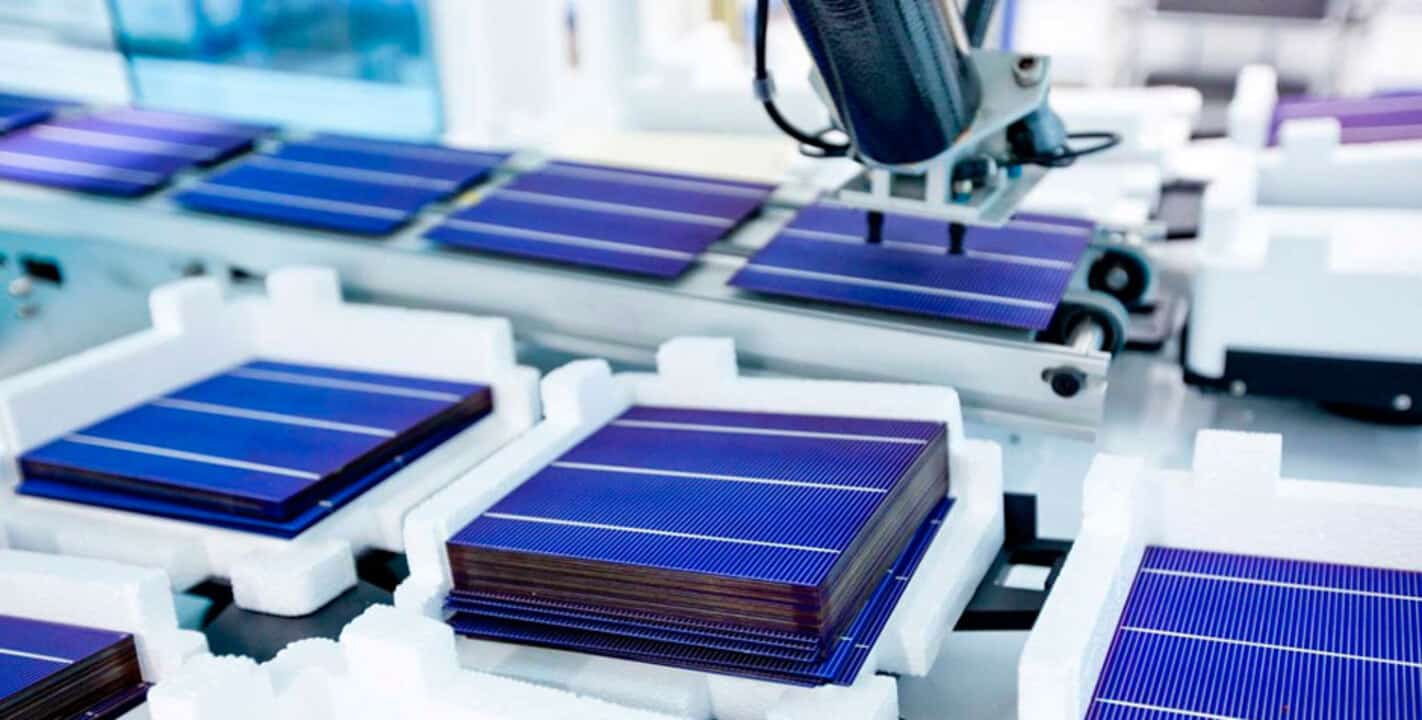

Scientists From Japan Are Developing Batteries That Can Transform Solar Energy Into Electricity And Store It Long-Term.
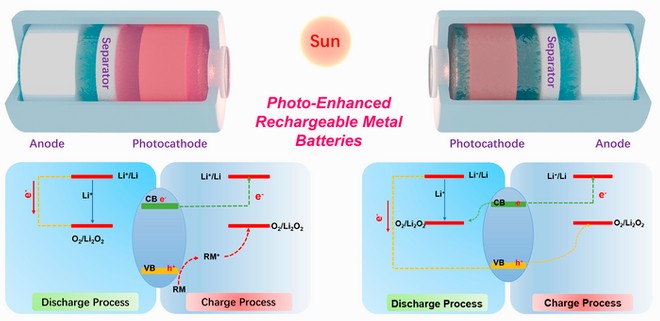
Scientists From The National Institute For Materials Science (NIMS) in Japan published a study on a new technology to leverage renewable energy. The research leader, Hairong Xue, and his team of researchers have created new types of metal batteries that can transform solar energy into electricity, storing it for extended periods.
Japan Batteries Aim To Solve Energy Storage Autonomy Issues
The technology developed aims to address the limitations of currently used methods. Photovoltaic cells convert solar energy into electricity; however, they cannot store it long-term. Thus, there are standalone batteries that are even more expensive and have low efficiency.
The goal is to develop new devices that combine photovoltaic technology and metal batteries into a single unit. The approach of the scientists from Japan tests various types of batteries, including lithium-ion, lithium-sulfur, lithium-iodine, zinc-ion, zinc-iodine, zinc-oxygen, lithium-oxygen, and lithium-dioxide carbon. The diversity is necessary to explore the advantages and disadvantages of each combination of anode and cathode.
-
Fired during apartheid and with a little borrowed money, an electrician started with a borrowed truck and transformed electrical services into a group connected to energy, real estate, and infrastructure in South Africa.

-
Wood has ceased to be just a construction material in Yale research and has become insulation for electrical transformers that face intense heat, aging, and increasing pressure from the renewable energy-powered grid.
-
More than 1,000 residents of a remote island in Kiribati now have clean water and electricity with solar systems operated by the community itself.
-
Ceará brings together 7 giants and R$ 66 billion to transform Pecém into the largest green hydrogen hub in Brazil, with final decisions expected by the end of 2026.



For example, lithium-ion is an extensively used technology for popular electronics batteries, such as laptops and smartphones, due to its high efficiency and durability; however, it faces some challenges due to its very complex structure.
The scientists from Japan are seeking an efficient solution that reduces complexity, thereby also lowering production costs. Additionally, they aim to reduce energy loss during the storage process.
The battery that transforms solar energy into electricity is still in the early stages and needs to undergo various research processes in Japan; however, the authors of the study have high expectations for the future of solar energy.
Annual Electricity Consumption
According to the Professor from the National Institute For Materials Science in Japan, Hairong Xue, the amount of solar energy received by the Earth’s surface is up to 100 thousand terawatt-hours, fully meeting the global electricity consumption demand of 16 terawatts per year.
However, unlike wind energy, for example, solar energy is intermittent due to isolated fluctuations, such as the arrival of night and cloudy days.
To balance supply and demand, solar energy must be converted into electricity and stored in other energy storage devices. According to Xue, it is necessary to explore more suitable electrode materials and optimize the structure of the batteries.
For real-world applications, safety and stability issues must be improved and addressed. This type of study has faced several feasibility hurdles in the past through other laboratories; however, the pursuit of sustainable energy is relentless worldwide.
Stanford University Scientists Work On New Solar Energy Technologies
In addition to the scientists from Japan, scientists from Stanford University announced the creation of an optical concentrator that can make solar panels much more efficient. The goal is to focus sunlight onto a single point throughout the day, regardless of the sun’s position.
Solar panels work best when sunlight directly hits them. As a way to expand the efficiency of solar panels throughout the day, scientists have already developed equipment that follows the sun, expanding direct sunlight exposure on photovoltaic panels. However, on the other hand, installing such equipment significantly increases the cost of implementing a solar power plant.