Portuguese
  Spanish


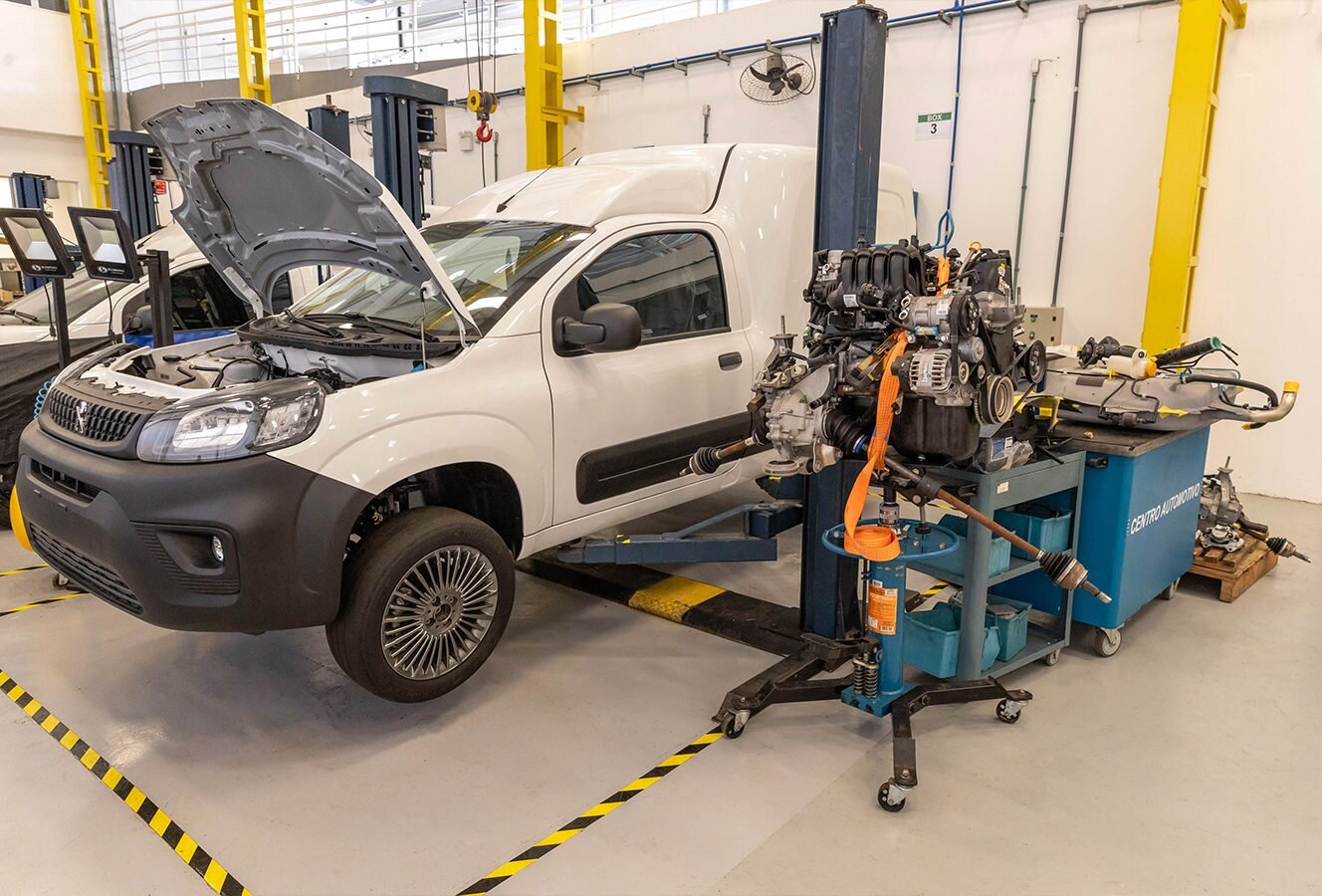

The Project Aims to Provide a Sustainable Solution to Contribute to the Decarbonization of the Transport Sector in the World. Stellantis Has Joined SENAI to Develop Technology for Converting Internal Combustion Vehicles to Electric Vehicles.
With the transport market increasingly close to decarbonization and electrification of automobiles, several companies are investing in the segment. Stellantis is one of them, which has a project in partnership with SENAI under development. The initiative aims to convert internal combustion vehicles into electric vehicles, contributing to a more sustainable future in the transport sector. The project also has the partnership of Weg and FuelTech companies for its development.
SENAI and Stellantis Join Forces to Contribute to the Decarbonization of Transport in a New Electric Vehicle Conversion Project
In partnership with the SENAI A3 program from Rota 2030, Stellantis is developing a project for the conversion of electric vehicles.
The initiative aims to convert new and used light commercial vehicles with internal combustion engines to propulsion with electric powertrains.
-
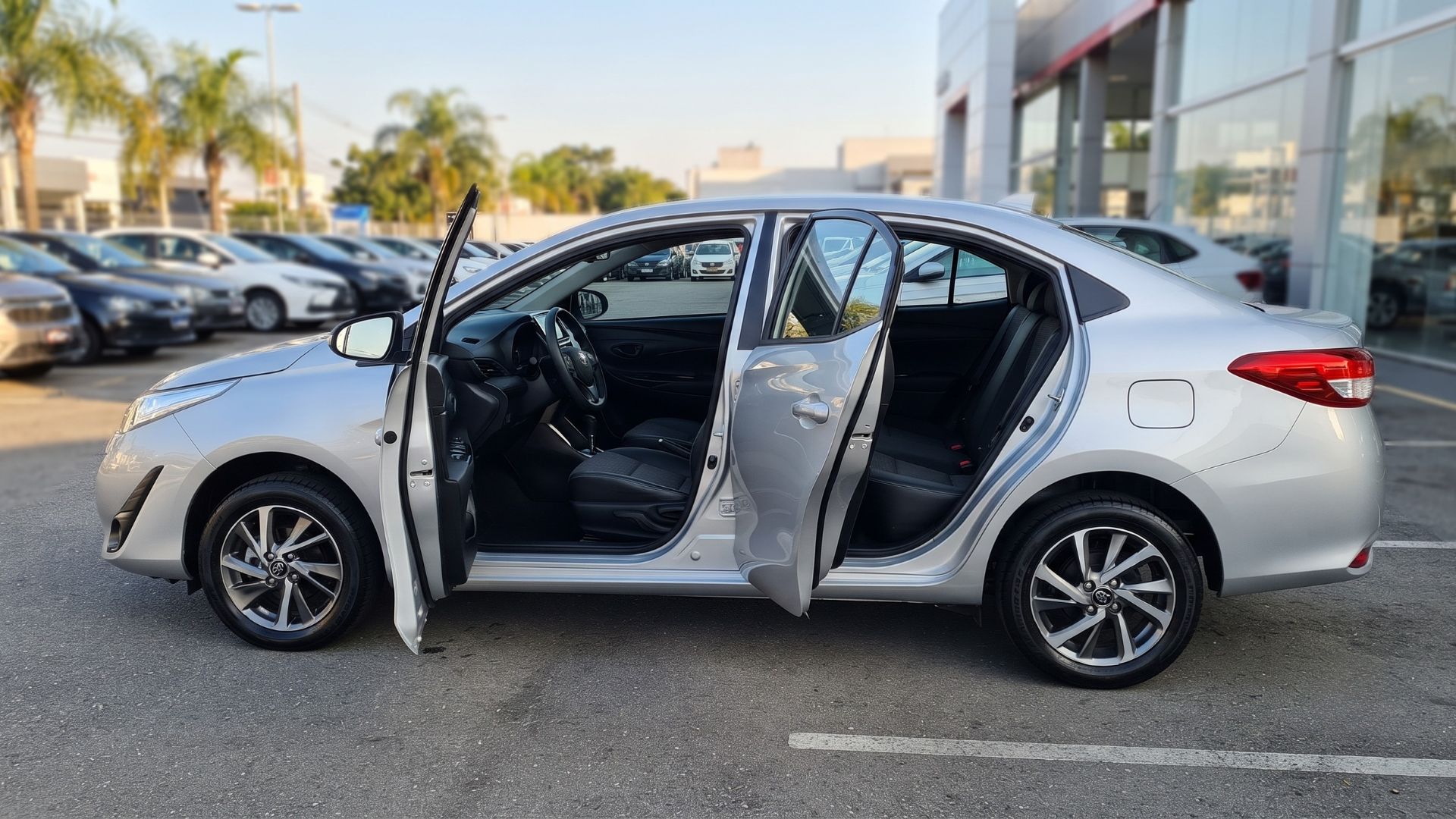
Automatic, economical, and known for reliability: with a 1.5 engine of up to 110 hp, CVT transmission, seven airbags, and fuel consumption of up to 15.9 km/l, this used hatchback appears as a rational alternative to Polo, HB20, and Onix; meet the Toyota Yaris XLS 2020.

-
He surpassed the Tera, Creta, and Tracker: With a TSI engine of up to 150 hp, 6-speed automatic transmission, and a 373-liter trunk, the Volkswagen T-Cross was the best-selling SUV in June, with 11,753 registrations.

-
It looks factory-made, but it came out of a workshop: a mechanic from Pernambuco builds a handcrafted “mini Toyota,” drives it through the streets, and the video goes viral on social media, leaving residents astonished.
-
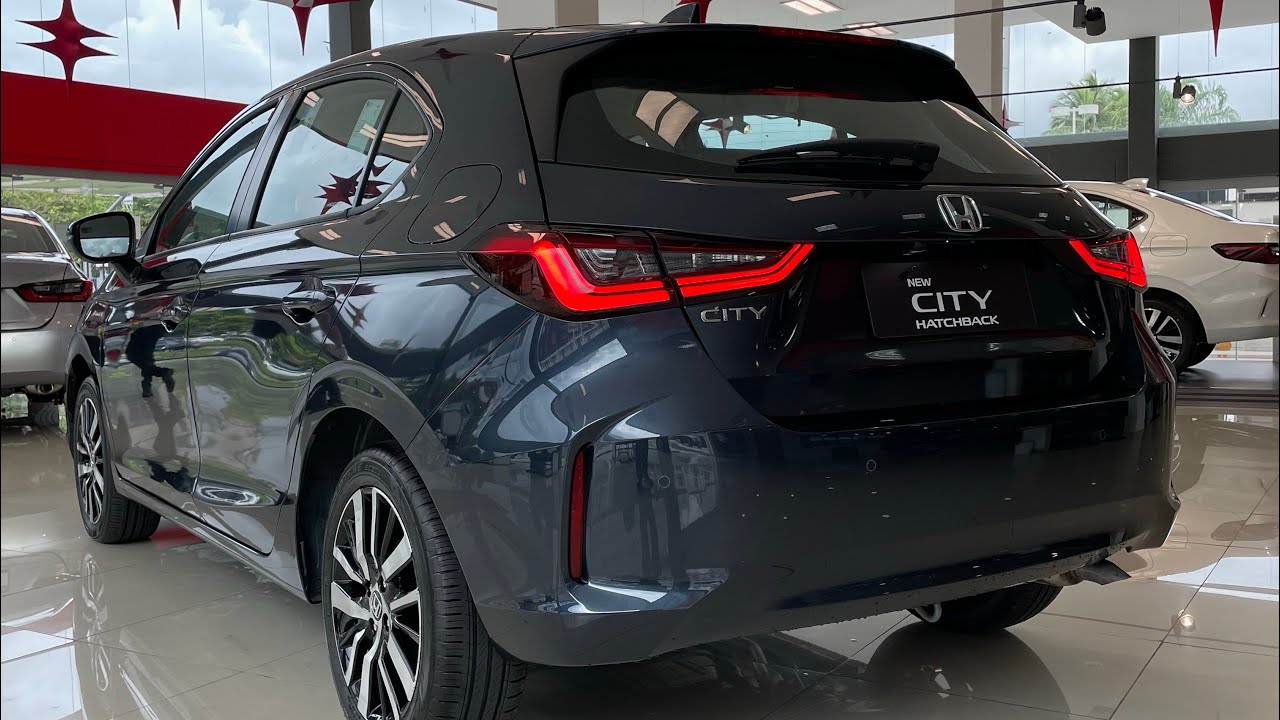
Hatch with sedan space and 1.0 car consumption: equipped with a 1.5 engine with 126 hp, CVT transmission with seven simulated gears, and consumption of up to 17.4 km/l, this used Honda delivers technology, comfort, and reliability; meet the 2022 Honda City Hatch Touring.


Weg and FuelTech are also participating in the initiative, which targets the decarbonization of the transport sector in the coming years.
The main goal of the companies is to offer a sustainable, quality solution that ensures safety in the conversion of electric vehicles.
With the project, Stellantis takes another step towards advancing its strategic plan Dare Forward 2030.
The plan’s main goal is to neutralize carbon emissions by 2038.
In this way, the company continues to stand out in its pursuit of the decarbonization of its operations, gradually moving towards a more sustainable future.
The electric vehicle conversion project was initiated in partnership with SENAI in 2022, involving the Fiat Fiorino and Peugeot Partner Rapid utility models.
Currently, the initiative involves removing the internal combustion powertrain and installing the conversion kit and battery set.
The testing of these vehicles will take place on public roads to identify the main technical and economic factors involving the local components of the vehicles.
In this way, the companies will be able to identify potential issues that may arise in the use of electric vehicles. Thus, Stellantis aims to minimize possible risks.
Stellantis Advances in the Search for a Sustainable Future and the Decarbonization of the Transport Sector
Stellantis has been investing in sustainable initiatives for its operations for several years. However, the electric vehicle conversion project has allowed for further expansion of these initiatives. The company now aims to build a sustainable and profitable business that promotes the circular economy in the markets in which it operates.
The Director of Product Programs and Planning at Stellantis for South America, Breno Kamei, commented on the project. He emphasized that the initiative is being developed only for commercial vehicle fleets, but the intention is to expand to other models.
In this way, decarbonization in the transport sector could become accessible over the next few years.
Meanwhile, the Operations Manager at the SENAI Institute of Innovation in Embedded Systems, Leonardo Oliveira, highlighted: “For SENAI, the project represents an excellent opportunity to develop competencies in order to contribute increasingly to the evolution of technologies aimed at the decarbonization of the economy, sustainability, and circular economy.”
Now, Stellantis will continue its efforts and testing to ensure the best outcome of the decarbonization and electric vehicle conversion project with SENAI.