Portuguese
  Spanish



The Fuel Delivery Approved by ANP May Increase the Risk of Frauds and Accidents, According to Analysts
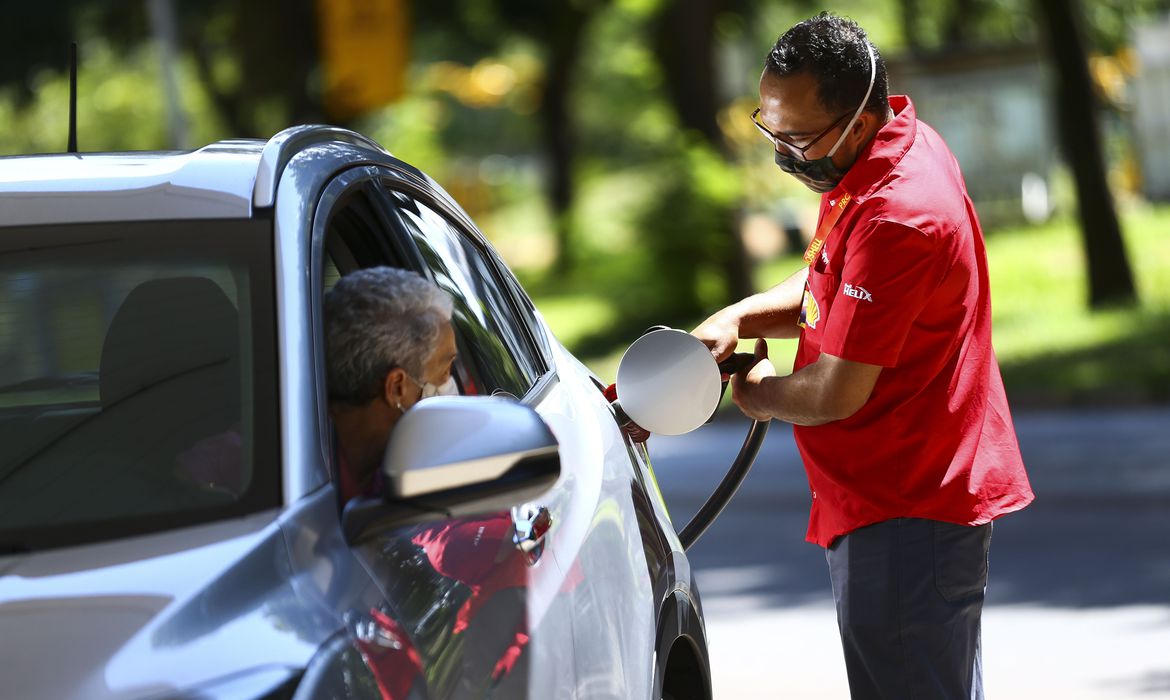
On November 4, ANP (National Agency of Petroleum, Natural Gas and Biofuels) approved delivery for authorized gas stations. However, according to experts interviewed by UOL, this model contributes to the risk of fraud and accidents. The “Official Gazette of the Union” published the changes on November 8.
Other News:
- Maersk and The Ocean CleanUp Validate Technology Capable of Cleaning Rivers and Oceans to Achieve a 90% Reduction of Floating Plastic in the Ocean by 2040
- Petrobras Transferred, on Saturday (12/4), the Operation of the LNG Regasification Terminal in Bahia to Excelerate and the Brazilian Oil Company’s Regasification Vessel Will Be Directed to the Pecém Terminal in Ceará
- After 40 Years in the Market, Car Manufacturers Volkswagen and Fiat Conclude the Cycle of the Two Best-Selling Cars in The Country and Bid Farewell to Gol and Uno; Fit, Civic, Siena, Doblò, Voyage, Saveiro, Joy, Sandero, and Logan Also Exit the Brazilian Market
Initially, fuel delivery will only allow sales with home delivery of ethanol and gasoline by gas stations authorized by ANP.
According to economist and FGV Rio professor Mauro Rochilin, this sales model may increase fuel prices. “I imagine that delivery will be more expensive than at the gas station, with the cost of traveling from the location to the customer’s home who hired the service.”, he stated.
-
OPEC+ Boosts Oil Supply by 188,000 Barrels per Day in July 2026, Leading to Price Drop from $112 to $89 per Barrel in Under Two Months

-
TotalEnergies Signs 20-Year Deal to Purchase 2 Million Tons of LNG from Alaska, Boosting Project Viability
-
Turkey Deploys Çağrı Bey Drilling Ship to Explore New Oil Frontier Off Somalia’s Coast
-
Golden Pass LNG Ships First Liquefied Gas Cargo from the U.S., Completing $10 Billion QatarEnergy and ExxonMobil Investment




Another reason that could further raise the prices of fuels purchased via delivery is the necessary structure for transporting these products, since they must be stored in specific vehicles.
“There will be a cost for the merchant due to transportation. I imagine that the transportation will be carefully regulated, there should be safety regulations, detailing how it will be done, and this will reflect in the cost”, the economist said.
Accidents and Frauds with Fuel Delivery
Fecombustíveis (National Federation of Fuel and Lubricant Commerce) stated in a note that the release of delivery for fuels is concerning.
Fecombustíveis declared that ANP does not have the capacity to oversee fuel delivery vehicles in the 5,570 municipalities across the country, even if it partners with other organs responsible for oversight. Regarding possible risks, the entity cited accidents during the transportation of flammable products, environmental contamination, and potential tax evasion.
On this last point, the Federation cited data from Fundação Getúlio Vargas indicating tax evasion in the fuel market at around R$ 14 billion annually.
In the view of Fecombustíveis, fuel delivery may attract unqualified agents trying to benefit from the lack of oversight to increase tax fraud concerning the quality and quantity in the fuel sector.
William Nozaki, technical coordinator of Ineep (Institute of Strategic Studies of Petroleum, Natural Gas and Biofuels), agrees that fuel delivery poses risks. “By authorizing delivery, ANP creates more risks of accidents without indicating how it intends to address these issues”, he said.
“At a time when the population is suffering from fuel inflation, truck drivers, motorists, and app delivery workers are struggling with the price of diesel and gasoline, prioritizing fuel delivery seems strange”, he concludes.
States Were Not Consulted about Fuel Delivery
The institutional director of the National Committee of Finance Secretaries (Comsefaz), André Horta, stated that ANP did not seek the council’s input to decide on the new resolution for fuel sales via delivery. He classifies the subject as “emptied” and states that the states have other priorities now.
“This happened without our consent. We only saw it announced that it would happen. The states are now focused on the immediate need to change this misguided policy regarding fuels. At a time when gasoline prices reach record levels, any other agenda is secondary”, André stated.
Furthermore, the director informed that the delivery of fuels was not a demand from the states. “Whether the states will adhere or not, we will refer to the legal advisory, but they never brought any need like this to us. This came directly from them (ANP)”.
According to ANP, Fuel Delivery Increases Competitiveness
According to ANP, the decision to allow fuels to be delivered was subjected to public consultation, open for suggestions and comments. Additionally, the agency stated that the measure was only implemented because the one-year pilot plan applied in Rio de Janeiro and São Paulo reported no accidents.
A series of structural requirements will be demanded for resellers to operate fuel delivery, both for storage and transportation.
The deputy director, Raphael Moura, says that the goal of fuel delivery is to modernize the markets. “The resolution modernizes and improves various aspects of the fuel resale market in Brazil. ANP continues to work for increased competitiveness, diversification, and improvement of the markets.”