






 Portuguese
  Spanish


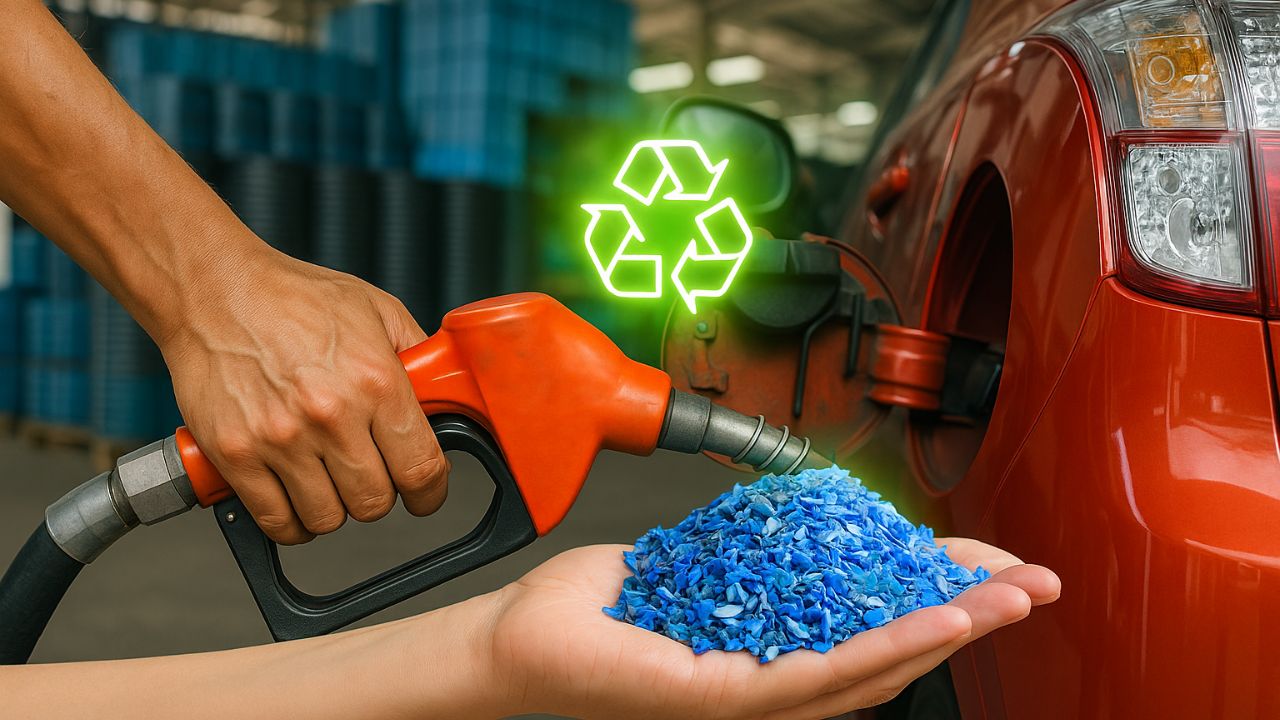

New Single-Step Process Converts Toxic Plastic Waste Into Fuel In A Simple, Fast Way With High Yield, Opening Doors To Large-Scale Production.
Scientists have developed an innovative method that transforms mixed plastic waste into gasoline. The new technique achieves over 95% efficiency in a single step, operating at ambient temperature and pressure. This advancement represents a promising and scalable solution to the problem of plastic waste.
A New Era In Recycling: Turning Plastic Waste Into Fuel
An international team of scientists has unveiled a single-step process to convert toxic plastic waste into gasoline. The research, led by institutions like the Pacific Northwest National Laboratory and Columbia University, stands out for its simplicity and effectiveness. Unlike conventional methods, the new approach requires less energy, fewer equipment, and fewer steps.
Researchers published their findings in the journal Science, highlighting the potential of the method. “The method supports a circular economy by converting various plastic waste into valuable products in a single step,” they stated in the article. The technique is particularly notable for its ability to process PVC, turning it into hydrocarbons without chlorine.
-
US$ 7 billion, green hydrogen, and steel with up to 95% less CO₂: the first green steel plant on the planet emerges in Sweden and targets Brazil as the next chapter

-
Swedes manage to create synthetic fuel with CO₂, water, and renewable energy, compatible with current engines, but face a huge problem: the energy expenditure is still double the return.
-
Brazil begins to transform wheat, residues, sweet potatoes, and soy molasses into ethanol, in a new phase of biofuels that seeks to utilize leftovers from the field and industry to fuel flex-fuel cars.

-
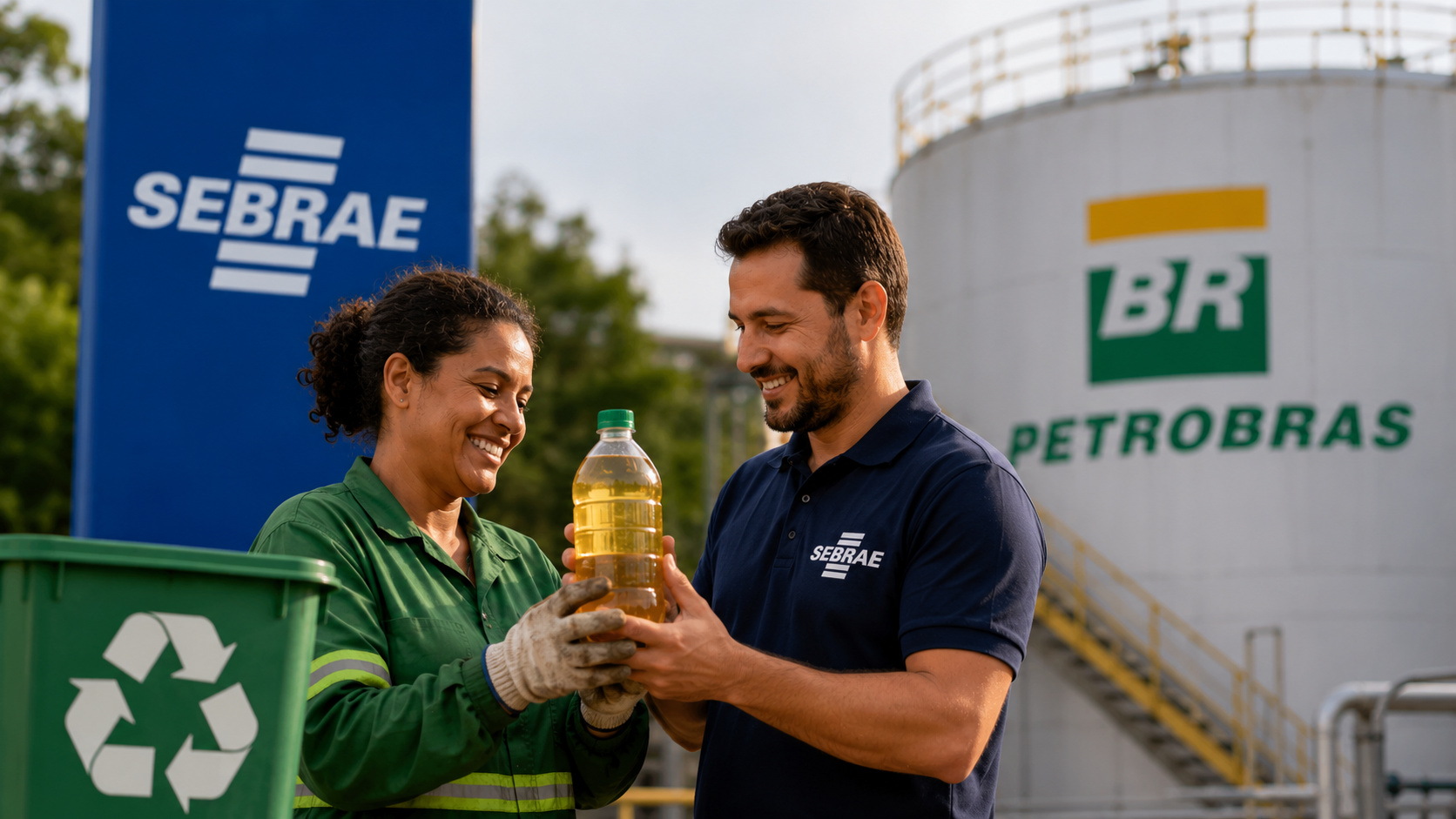
Sebrae and Petrobras join forces in Ceará to include waste pickers in the circular economy and strengthen the biofuel chain, creating new income opportunities and expanding the sustainable use of waste with a direct impact on regional development.


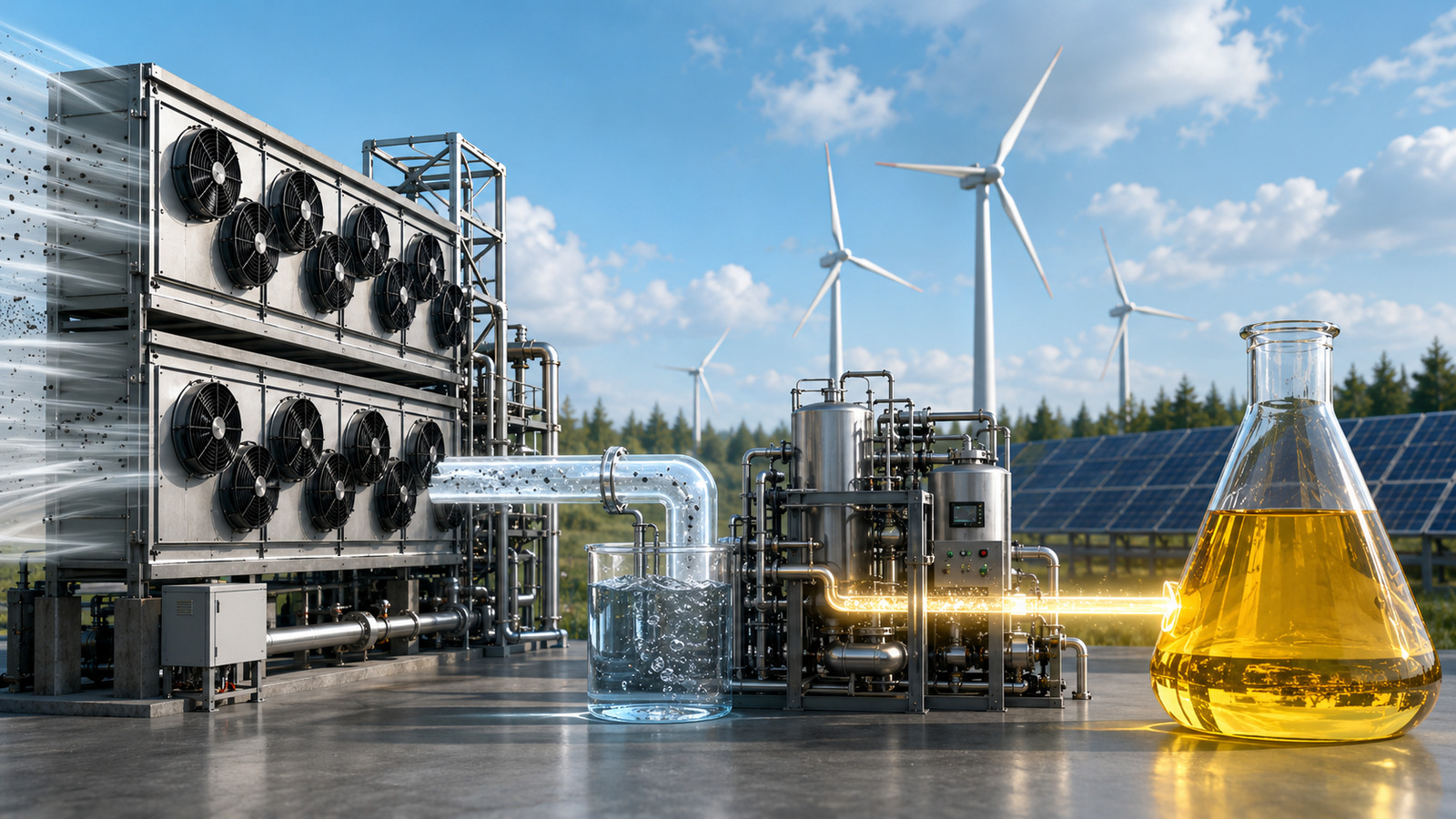
How The Innovative Process That Transforms Plastic Into Gasoline Works?
The secret of the process lies in the combination of plastic waste with light isoalkanes. These organic compounds are common by-products in refineries, making them easy to obtain. The mixture reacts under ambient conditions, breaking down the plastic molecules.
The result is the production of hydrocarbons from the “gasoline range”. This means that the generated molecules, containing 6 to 12 carbons, are the main component of the fuel we use in vehicles. Moreover, the hydrochloric acid resulting from the process can be recovered, neutralized, and reused as industrial raw material.
Proven Efficiency: The Surprising Results Of The Conversion
The tests conducted by the team demonstrated remarkable efficiency. Operating at a temperature of 30ºC, the conversion of soft PVC pipes achieved 95%. For rigid PVC and PVC wires, the efficiency was even higher, reaching an impressive 99%.
The scientists also tested a mixture of PVC materials with other plastic waste, such as polyolefin. Even in this more complex scenario, the solid conversion achieved 96% efficiency at a temperature of 80ºC. These numbers prove the robustness and versatility of the new technology.
Towards Industrial Application: The Advantages Of The New Method
The main advantage of this discovery is its scalability. Being a single-stage process that operates under mild conditions, it becomes viable for large-scale industrial applications. The simplicity and speed of the method make it an economical and sustainable alternative for treating plastic waste.
The ability to transform a serious environmental problem, such as plastic waste, into a high-value product, like gasoline, paves a new way for the circular economy. This advancement can revolutionize the way we deal with toxic waste globally.








favor informar se a combinação dos resíduos plásticos com isoalcanos leves se torna uma dependência do petróleo