Portuguese
  Spanish


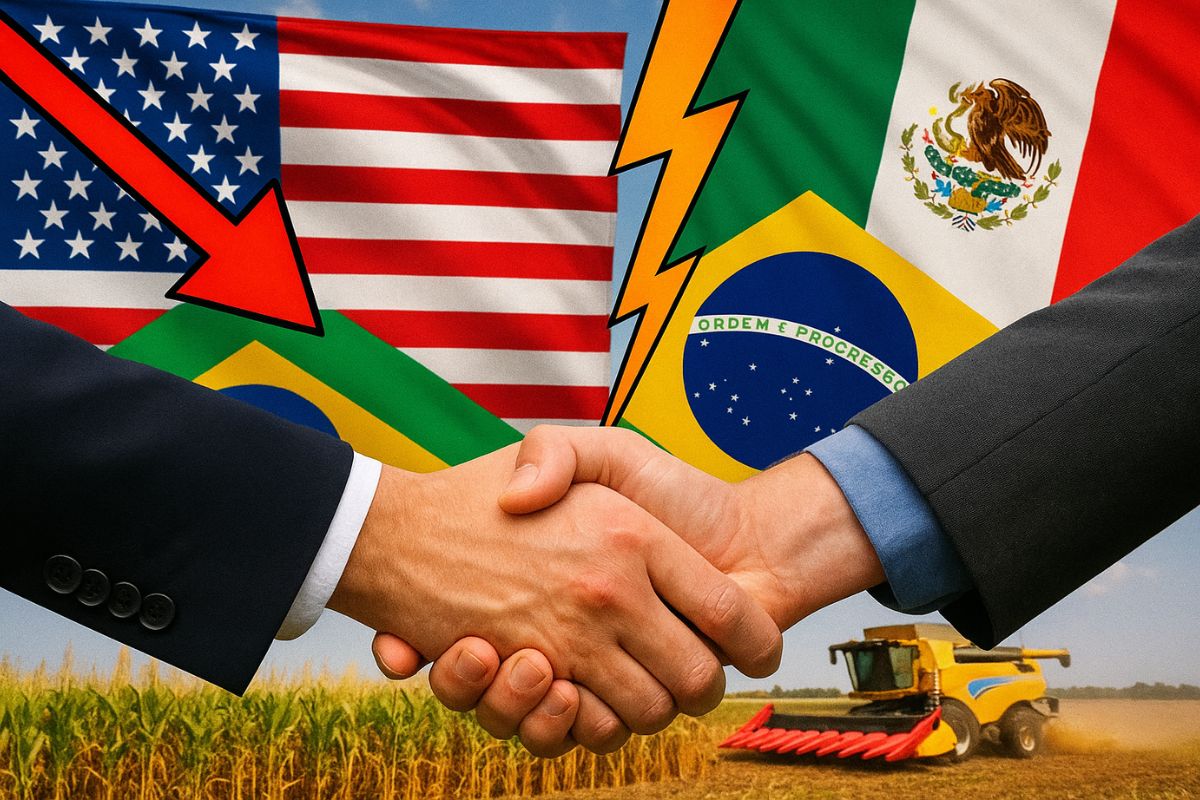


New Partnership Guarantees Market Opening for Input Used in the Production of Animal Feed, Gelatin, Collagen, and Fertilizers Amid Decline in Meat Exports to the U.S.
The Brazil closes agreement with Mexico to export processed bones, in an initiative that strengthens the presence of the national agribusiness in the Latin American market. According to an official statement from the Itamaraty, the partnership ensures the necessary sanitary approval to begin sending the material, considered valuable by various industrial sectors.
The measure comes amid a scenario of retraction in Brazilian beef exports to the United States, which fell 80% in the last quarter. With the new agreement, the government aims to diversify the destinations of agricultural products and expand the sustainability of the sector.
Mexican Industry Demands Input for Multiple Sectors

Processed bones are essential raw material for the production of animal feed, gelatin, collagen, and fertilizers, sectors that have been growing in the Mexican market. With the new sanitary certificate approved, Brazilian companies are authorized to send the product to Mexico, consolidating another market opening for the national agribusiness.
-
Entrepreneur Sells Car to Launch Healthy Meal Business, Now Runs Mr. Fit with 880 Stores in 3 Countries and $40 Million Annual Revenue

-
End of an Era: Renault Plans Major Overhaul, Cutting Jobs to Compete with Chinese Rivals and Transform Engineering by 2027
-
Brazil’s Largest Grain Port Faces Delays in the Hinterlands, Missing Rail Link Costs Agribusiness Billions

-
Egg Prices Drop Due to Weak Demand as Poultry Producers Increase Purchasing Power


Mexico Already Imports Nearly US$ 3 Billion in Agricultural Products from Brazil
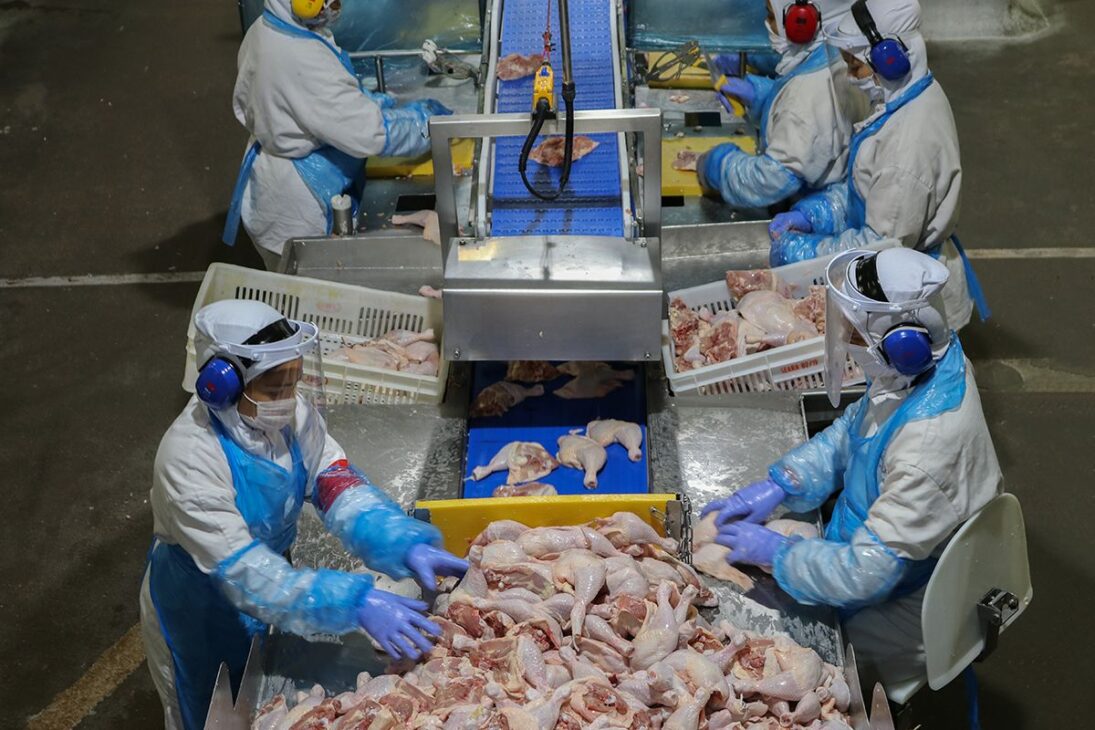
According to the Itamaraty, Mexico has already imported over US$ 2.9 billion in agricultural products from Brazil just in 2024, with highlights including soybeans, coffee, meats, and wood. The inclusion of processed bones broadens this portfolio, contributing to the sustainability and competitiveness of both economies.
Agreement Seeks to Compensate for Losses Due to Decline in Exports to the U.S.
Since the beginning of 2023, Brazil has achieved 397 new market openings for agribusiness, resulting from bilateral negotiations conducted by teams from the Mapa and MRE. The strategy seeks to compensate for losses in markets like the United States, where Brazilian beef exports fell from 47.8 thousand tons in April to only 9.7 thousand tons in July, a reduction of 80%.
Government Sees Byproducts as Strategic Bet for Agribusiness
The decline precedes the new tariff hike announced by former President Donald Trump, which is set to take effect on August 1 and imposes an additional 10% tax on Brazilian products. Despite the retraction, the U.S. remains the second largest destination for Brazilian beef, behind only China.
Diversifying markets and valuing byproducts, such as processed bones, are seen by the government as key strategies to maintain the competitiveness of Brazilian agribusiness.
Do you believe that Brazil should invest more in the export of byproducts such as processed bones? How can this strengthen the national agribusiness?