






 Portuguese
  Spanish



Investment Must Reveal Data About The Equatorial Margin That Strongly Benefits Petrobras And Researchers Studying The Subject.
Petrobras announced a significant investment of R$ 100 million in a Term of Cooperation (TC) with the Brazilian Navy, aiming at the expansion of the Oceanographic Modeling and Observation Network (REMO), focusing on monitoring the Equatorial Margin, the Brazilian coast, and the Pelotas Basin in the southern region.
The objective of this partnership is to improve the monitoring of the Brazilian coast, a strategic and promising area for deepwater oil exploration. The project, lasting five years, involves the use of new technologies and seeks to enhance knowledge about the oceans and the coastline of the country.
Petrobras Aims To Expand Monitoring In The Equatorial Margin
The Equatorial Margin, which extends from Rio Grande do Norte to Amapá, is considered one of the most promising areas for oil and gas exploration in deep waters.
-
With a record production of nearly 3 million barrels per day, Petrobras resumes importing diesel in July, highlighting the bottleneck in Brazilian refining.

-
Qantas and Airbus Invest in Company Aiming to Convert Unsorted Household Trash into Jet Fuel

-
Brazil’s ANP Opens 86 New Oil Blocks in the Equatorial Margin, Expanding the Amazon River Mouth Frontier

-
OPEC+ Boosts Oil Supply by 188,000 Barrels per Day in July 2026, Leading to Price Drop from $112 to $89 per Barrel in Under Two Months
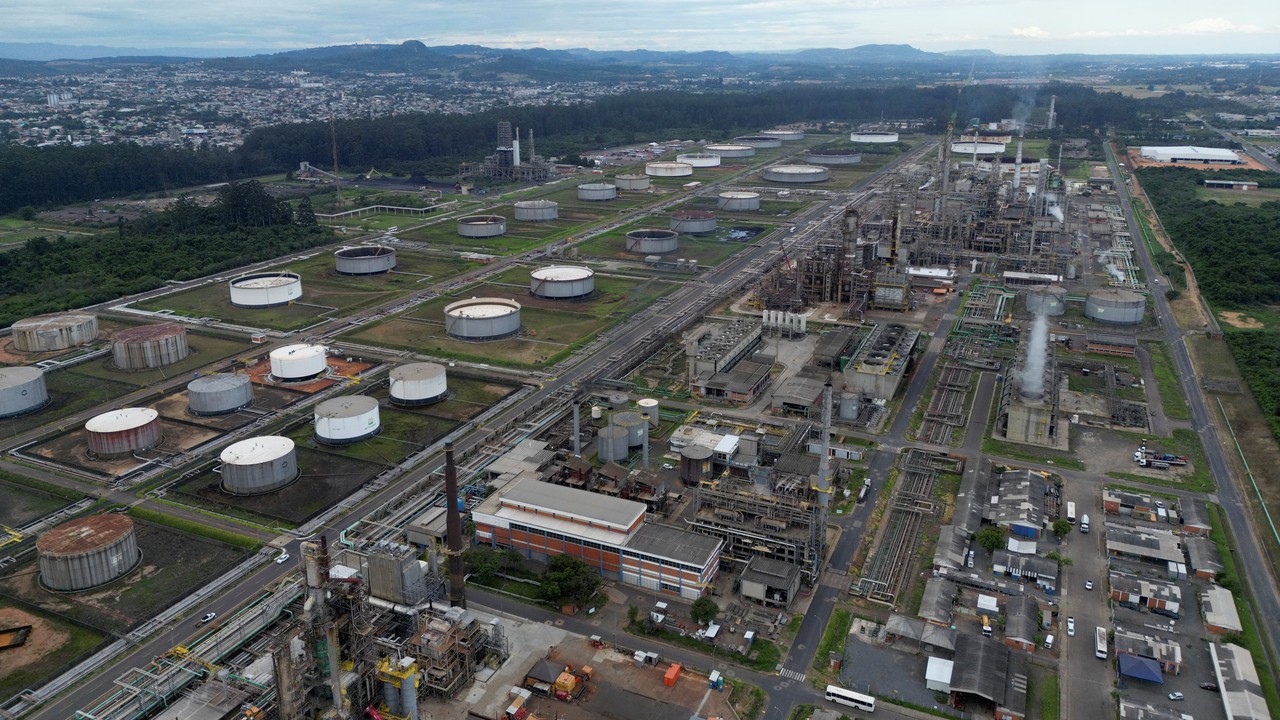

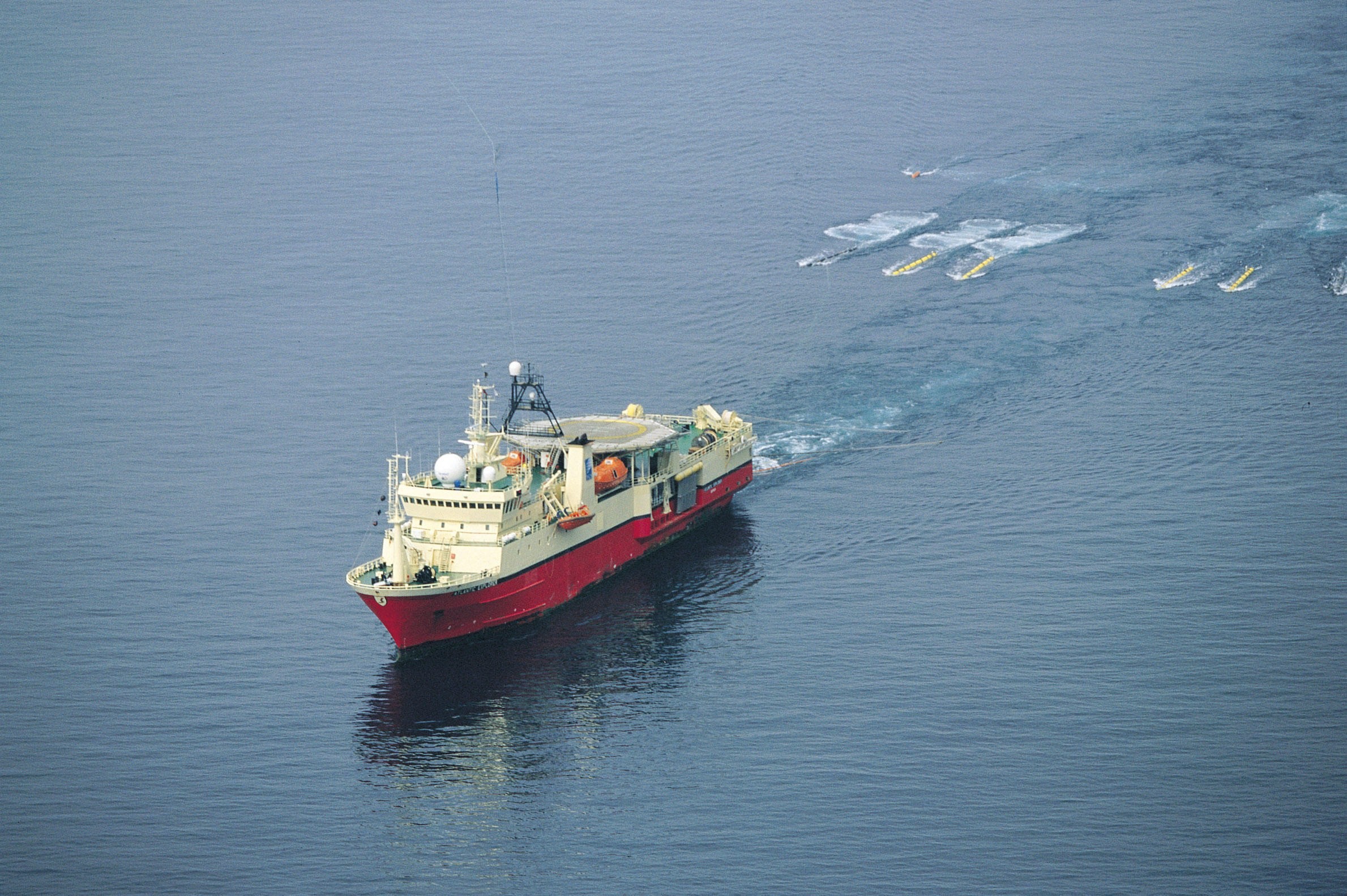

Petrobras, together with the Navy, aims to expand the monitoring network in this region, known for its great strategic importance in the energy sector.
The Director of Engineering and Technology at Petrobras, Renata Baruzzi, commented on the relevance of this project for Brazil:
“The cooperation benefits not only Petrobras but the whole country. We have a huge coastline that needs to be monitored, and we also share data with academia, which helps to expand knowledge about our coast and contributes to the development of national technology,” she stated.
Technological Innovation And Economy With Autonomous Vehicles
One of the pillars of the Term of Cooperation is the use of surface and subsurface autonomous vehicles, which will partially replace the buoys traditionally used for monitoring.
These devices are designed to operate continuously, with reduced costs and greater resistance to adverse weather conditions, such as storms and strong winds, which often interrupt the operations of vessels.
The SailBuoy, a mini-sailboat controlled via satellite, is an example of an autonomous vehicle that will allow the collection of meteorological and oceanographic data along the Brazilian coast, in addition to being more economical and durable than traditional vessels.

The operation of the SailBuoy is maintained by batteries recharged by photovoltaic modules, ensuring constant operation without the need for human intervention.
The glider is a subsurface autonomous vehicle that can reach depths of up to one thousand meters. This equipment can perform comprehensive ocean monitoring, providing valuable data on ocean currents, salinity, temperature, and oxygen concentration, among other fundamental parameters for analyzing ocean behavior.

Additionally, the use of these vehicles allows for an operational cost up to 10 times lower than that of a traditional vessel, representing significant savings for Petrobras’s monitoring projects.
Contribution To The Scientific Community And Environmental Safety
The data generated by these devices will be shared with the scientific community through programs like the National Buoy Program (PNBOIA), which aims to implement a network for collecting meteorological and oceanographic data along the Brazilian coast.
Petrobras also participates in other initiatives, such as the Brazilian Antarctic Program (Proantar) and the Survey Plan of the Brazilian Continental Shelf (Leplac), expanding knowledge about metoceanographic phenomena and ocean dynamics.
Renata Baruzzi emphasizes that the data obtained will contribute to environmental safety and optimize oil exploration operations.
“The measurements and evaluations bring new data on ocean behavior and increase the safety of operations, contributing to environmental safety. In addition, Petrobras’s investments in the production and availability of metoceanographic data can benefit activities such as: maritime transport, environmental management, and coastal planning,” she explained.
With information from Petrobras.




