






 Portuguese
  Spanish


The Advancement of Solar Energy and Electric Mobility Transforms the Brazilian Economy, Attracts Investments, Boosts Electric Vehicles, Generates Green Jobs and Accelerates the Energy Transition in the Country
Brazil is going through, in 2025, one of the most relevant periods in its energy history. According to an article published by the ES Brazil website this Sunday (14), the expansion of solar energy, the advancement of electric mobility, the growth of investments, the popularization of electric vehicles, and the strengthening of the energy transition are already directly impacting the economy, the daily lives of the population, and city planning.
Solar Energy and Electric Mobility Boost the Energy Transition in Brazil
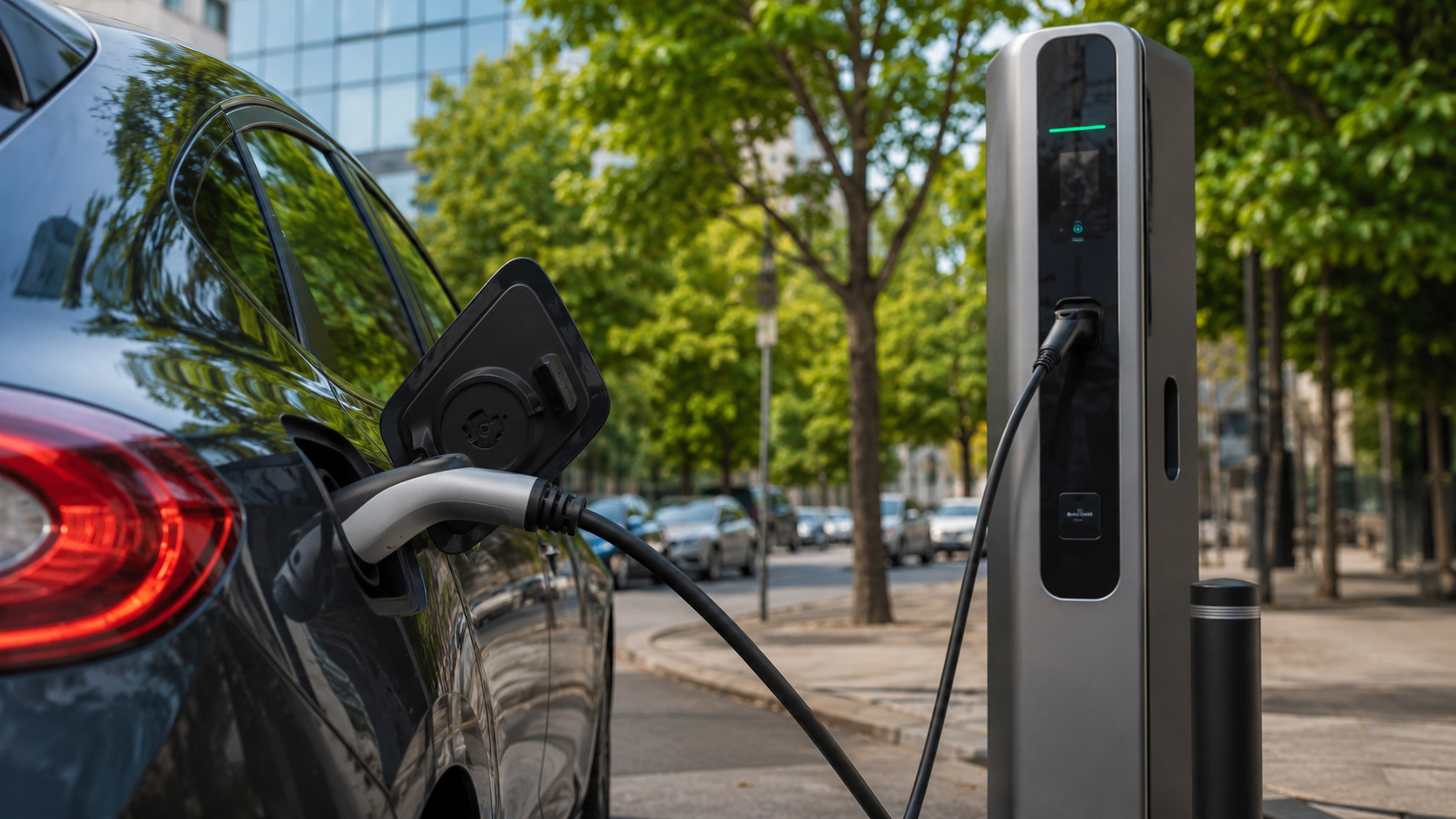
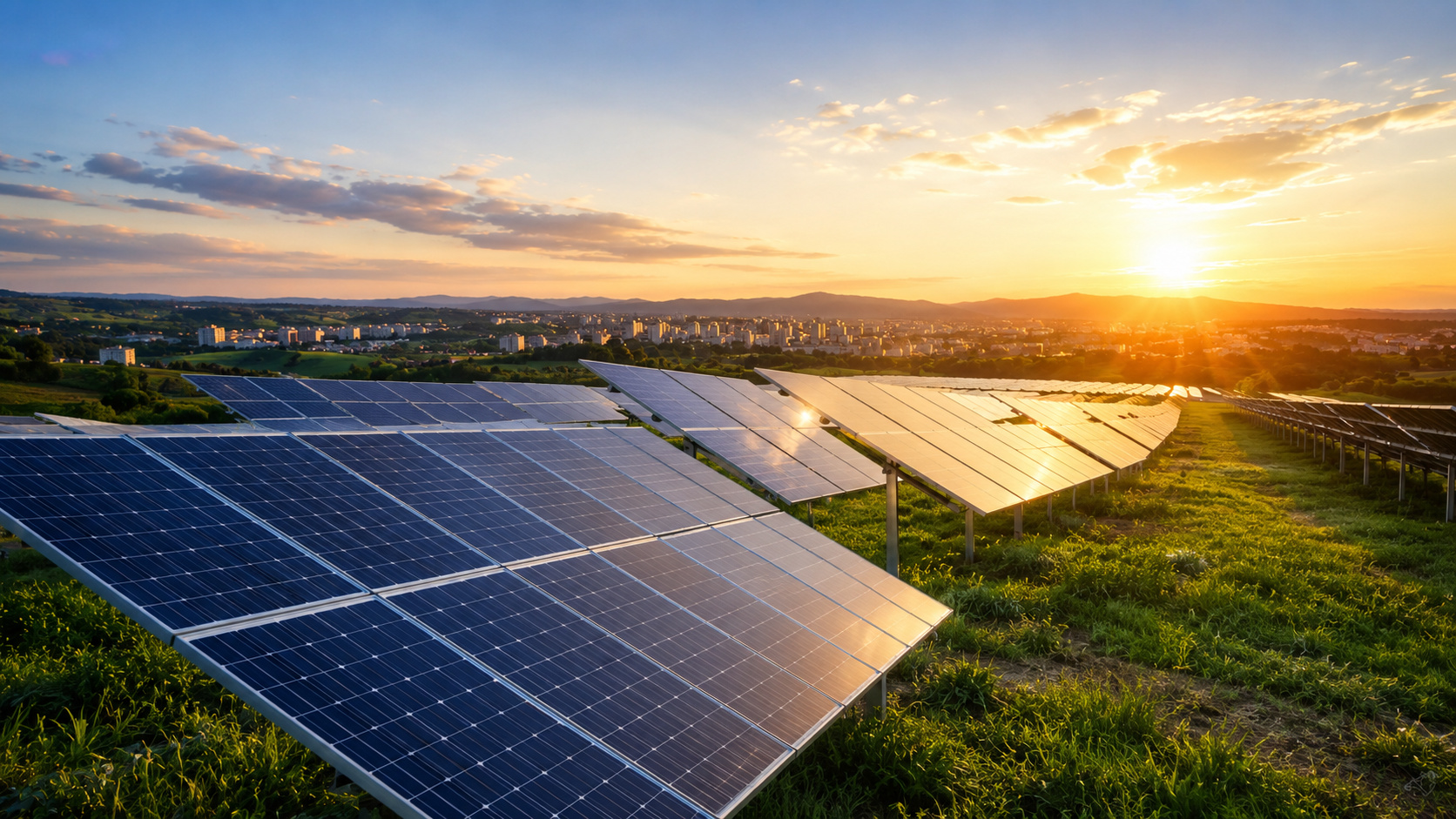
Today, it is increasingly common to see electric cars and buses circulating on urban roads whose signage is powered by photovoltaic panels. Residential rooftops, commercial façades, and small plots of land have become active sources of energy generation. The energy transformation has stopped being a future promise and is consolidating as a present reality.
The convergence between solar energy and electric mobility represents one of the central pillars of the Brazilian energy transition. While electric vehicles reduce emissions in the transportation sector, photovoltaic generation ensures a clean, renewable, and competitive source of electricity.
-
Electric and Hybrid Cars Set to Transform Brazilian Streets: A New Era Begins

-
Solar energy reaches 55 GW, becoming the second largest power source in Brazil’s energy mix
-
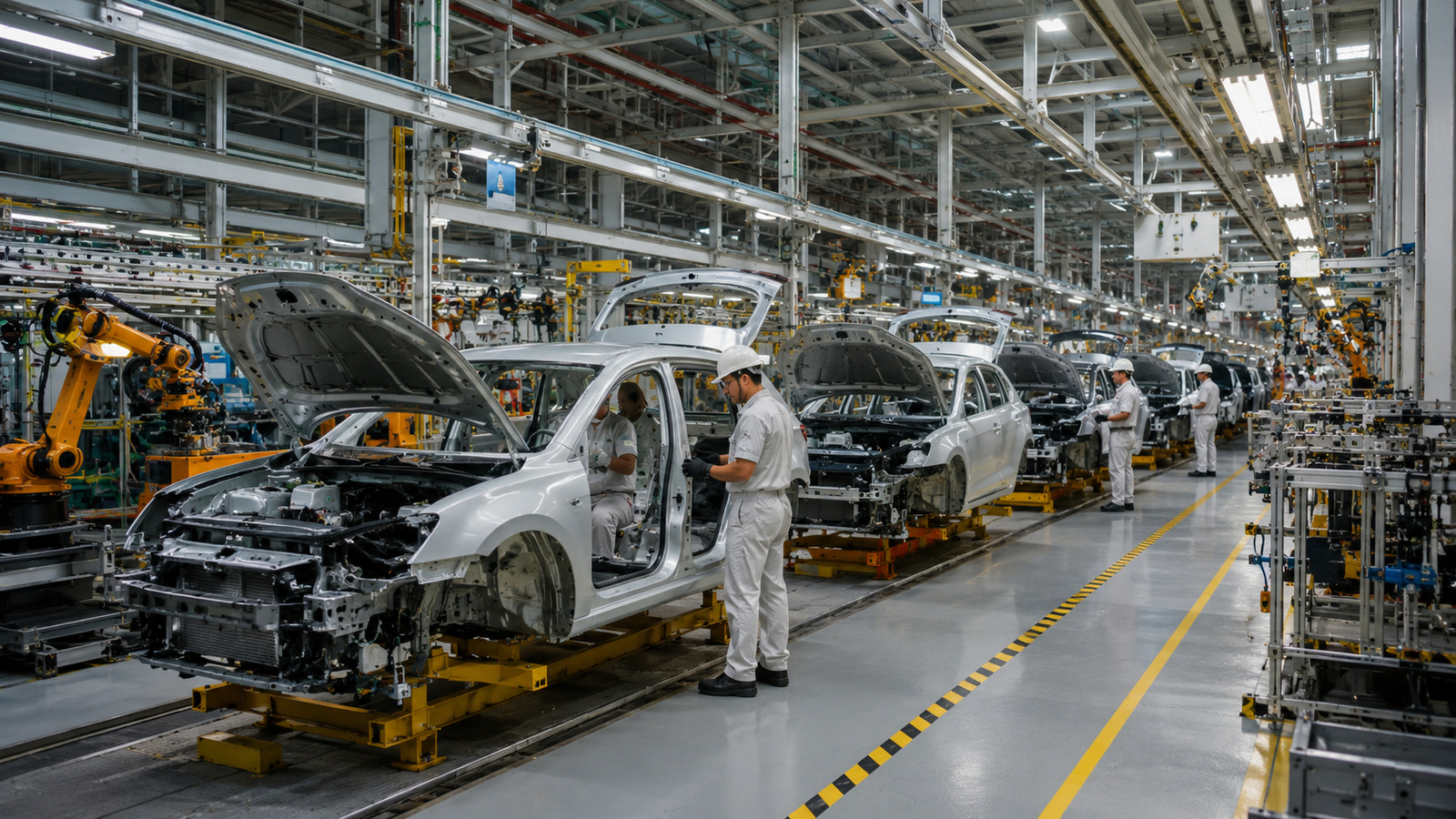
Chinese Giant Invests $1.3 Billion in Brazil to Produce 50,000 Cars Annually, Create Jobs, Develop Local Suppliers, and Manufacture Electric, Hybrid, and Combustion Models by 2027

-
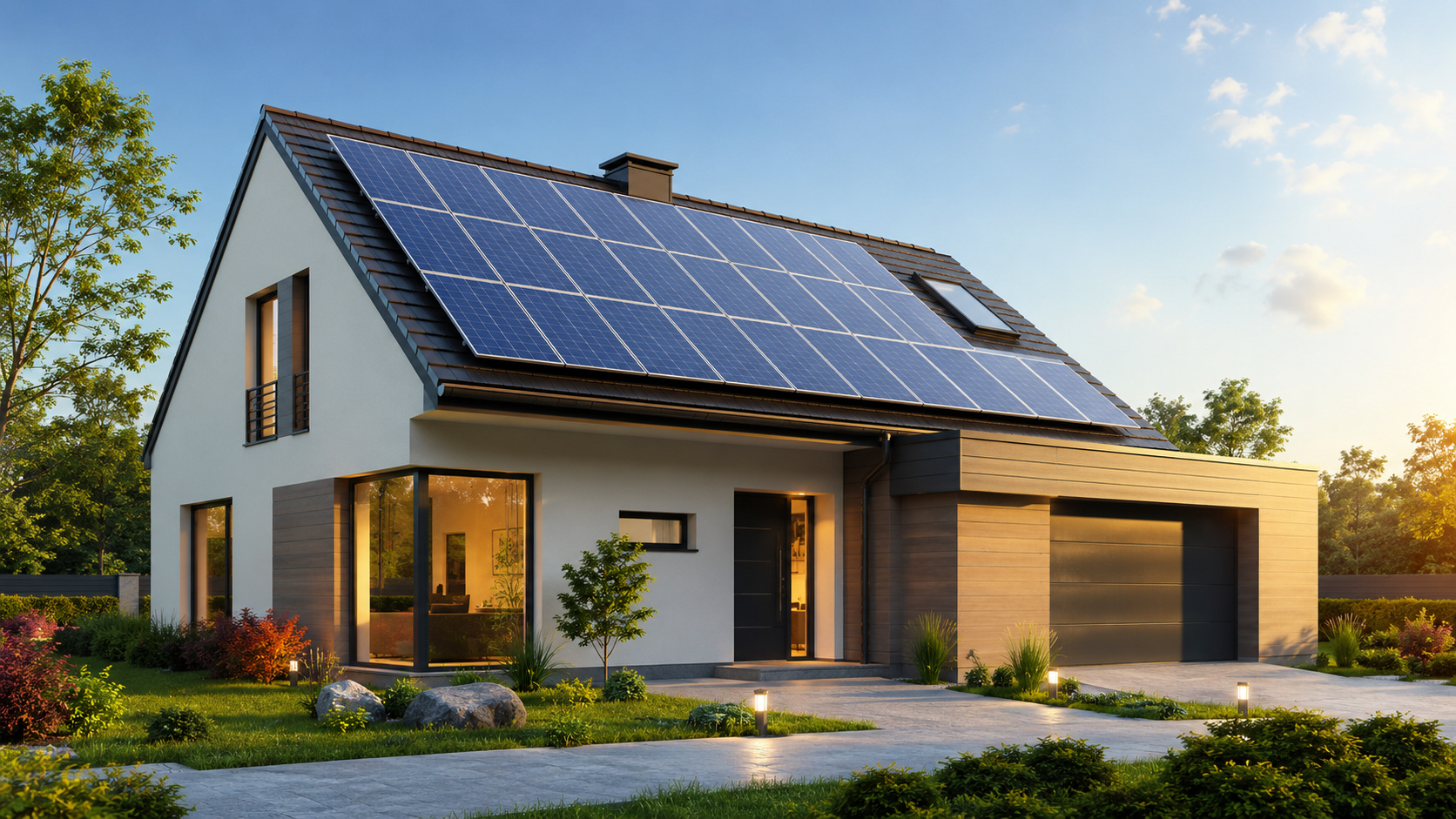
Solar energy can increase property value by up to 10% and become a selling point.
This movement occurs in harmony with the global need to reduce dependence on fossil fuels. In Brazil, the abundance of solar radiation, combined with a favorable regulatory environment, has attracted continuous investments and increased the share of renewable sources in the energy matrix.
The electrification of mobility is only sustainable when supported by clean energy. Therefore, solar energy and electric mobility advance in an integrated manner, reinforcing energy security and environmental sustainability.
Investments Strengthen Solar Energy and Electric Vehicles in the Country
In 2025, Brazil reached a total of 43 gigawatts (GW) of installed capacity in distributed solar energy, considering systems on roofs, façades, and small plots of land. According to the Brazilian Photovoltaic Solar Energy Association (Absolar), accumulated investments in the sector total R$ 193.1 billion.
These resources boost the entire production chain of solar energy, from equipment manufacturing to installation and maintenance of systems. At the same time, they create the necessary conditions for the expansion of electric mobility, such as charging networks and integration with urban projects.
The growth of electric vehicles directly depends on efficient and sustainable energy infrastructure, reinforcing the strategic role of photovoltaic generation in the Brazilian energy transition.
Solar Energy Generates Green Jobs and Drives the Economy
In addition to environmental gains, solar energy plays a decisive role in job creation. According to Absolar, the sector has already generated over 1.2 million green jobs since 2012. These job positions encompass areas such as engineering, installation, logistics, financing, and innovation.
According to information from the article, each megawatt installed creates about 30 new jobs, highlighting the potential of the energy transition as a vector for economic development. Investments in the photovoltaic sector also increase the competitiveness of Brazilian companies, reduce operational costs, and ease the budget of families.
Meanwhile, electric mobility expands opportunities in the automotive industry, technology startups, and services related to urban infrastructure, strengthening an innovative and sustainable ecosystem.
Expansion of Solar Energy and Direct Impact on Consumers
Currently, 6.8 million consumer units are served by solar energy systems in Brazil, from more than 3.8 million installed systems. A single system can supply multiple units, such as condominiums and collective enterprises, which explains the difference between the numbers.
Residential properties lead the adoption of the technology, with 3 million connections (79.8%), followed by commercial establishments with 379 thousand (9.9%), and the rural sector with 331 thousand (8.6%). Solar energy has established itself as an accessible and democratic solution.
This advancement reduces reliance on the conventional grid, increases cost predictability, and strengthens energy security, essential factors for the success of the energy transition.
Regional Distribution of Solar Energy and Relationship with Electric Mobility
According to Absolar, 5,567 Brazilian municipalities, in all states, already have photovoltaic systems, representing an accumulated revenue of R$ 58 billion for public coffers. The only exceptions are Boa Esperança do Norte (MT), officially created in January 2025, and Guaraqueçaba (PR), where technical and geographical limitations have hindered implementation.
In terms of installed capacity, São Paulo leads with 6 GW, followed by Minas Gerais (5.4 GW), Paraná (3.8 GW), and Rio Grande do Sul (3.5 GW). These states also concentrate advanced initiatives in electric mobility, such as fleets of electric buses and fast charging corridors. The integration of solar energy, electric vehicles, and urban investments strengthens the regional and national energy transition.
Technology, Artificial Intelligence, and the Energy Challenge
Technological advancement expands opportunities but also increases the demand for electricity. A study by Accenture projects that Artificial Intelligence could increase Brazil’s productivity by 17% by 2038, adding about US$ 429 billion to GDP.
On the other hand, estimates from Deloitte indicate that the energy consumption of data centers could double by 2030, reaching 1,065 TWh annually, equivalent to approximately 4% of global energy consumption. This scenario reinforces the urgency of increasing investments in solar energy and accelerating the energy transition, ensuring economic growth with sustainability.
Solar Energy, Electric Mobility, and the Future of Brazilian Cities
The pursuit of clean, affordable, and democratic energy is already influencing architectural, engineering, and urban planning projects. Charging points for electric vehicles are increasingly integrated into urban projects, utilizing solar energy as a strategic source.
Smart cities depend on clean energy, electric mobility, and efficient planning. This convergence improves quality of life, reduces emissions, and makes urban centers more resilient.
The Path of Brazil Toward a Sustainable Energy Future
The data from 2025 show that solar energy, electric mobility, investments, electric vehicles, and energy transition are no longer isolated concepts, but parts of the same development strategy. Brazil is advancing by combining economic growth, job creation, and reduction of environmental impacts.
The energy transformation is underway and redefines the present and future of the country, consolidating solar energy as one of the main pillars of a cleaner, more efficient, and sustainable model.


