Portuguese
  Spanish



Cemig Invests Capital in Solar Power Plant in Três Marias. The Electric Utility Company is Making Billion-Dollar Investments in the State of Minas Gerais by 2025
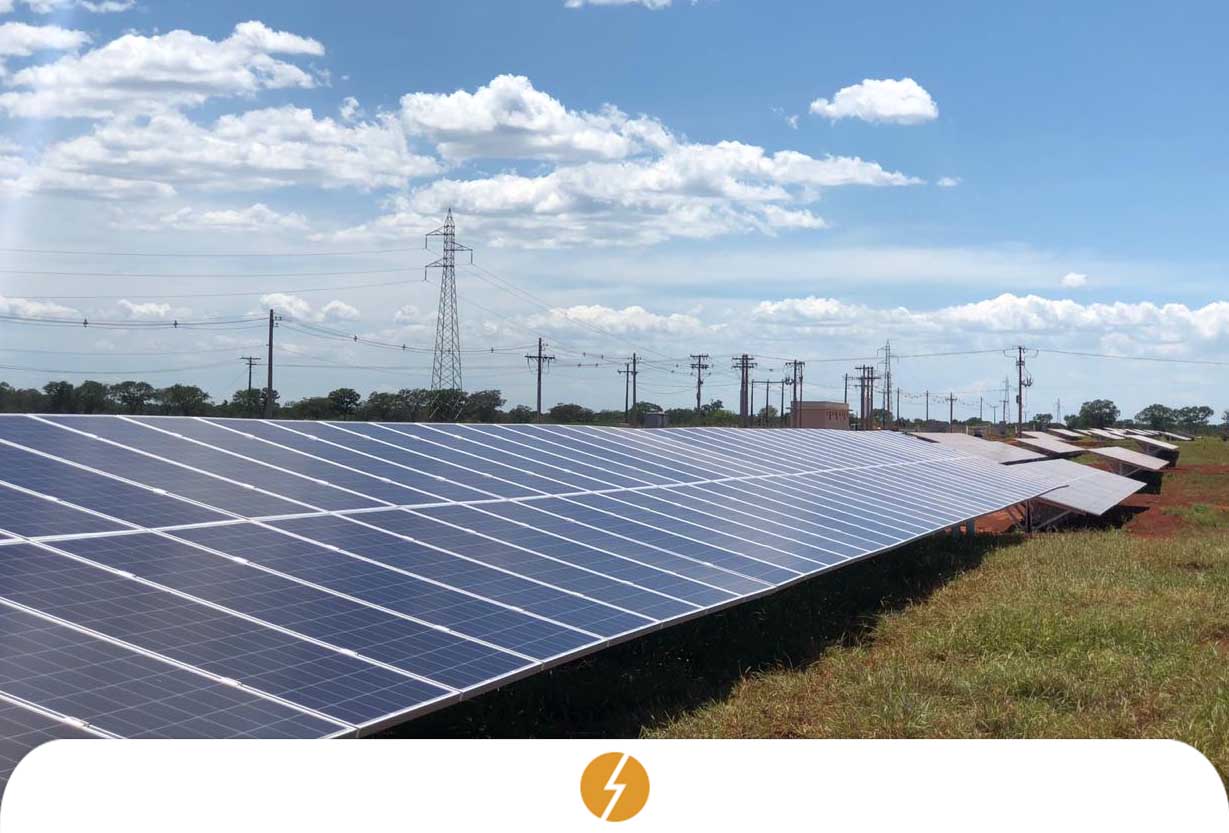
Cemig inaugurated the Três Marias Distributed Generation (GD) Photovoltaic Power Plant on Monday, December 20, the first project in a series of plants currently under development as part of a billion-dollar investment plan, which is so far the largest in the company’s history and was announced this year.
R$ 22.5 billion will be invested by 2025 in the generation, transmission, and distribution of electricity, as well as in the generation, distribution, and commercialization of natural gas.
Check Also:
- 40 Production Assistant Positions, 40 Machine Operator Positions, and More: Check the 180 Job Openings Available at Adecco
- Authomathika Offers Job Openings for Candidates Without Experience in SP; There are Opportunities for Electricians, Warehouse Workers, Instrument Technicians, and Many Others
- Eneva Wins Aneel’s Capacity Reserve Auction with Thermals in Amazonas and Maranhão, the UTEs Azulão and Parnaíba
The budget for generation will be R$ 4.6 billion with the aim of adding 1 gigawatt (GW) of installed capacity through initiatives focused on harnessing renewable sources. The inauguration was attended by the company’s president, Reynaldo Passanezi Filho, the Director of Generation and Transmission at Cemig, Thadeu Carneiro da Silva, the president of Cemig SIM, Danilo Gusmão Araújo, as well as regional authorities.
The GD solar power plant located in Três Marias is the starting point for Cemig to resume the execution of proprietary “greenfield” projects, encompassing everything from initial technical studies to construction and operation of the venture. Construction of the plant began in April 2021 and involved an invested capital of R$ 12 million for its installation.
-
Robots Clean Solar Panels in Desert Power Plants Without Water, Preventing Energy Losses

-
Brazil’s Offshore Wind Energy Potential Worth $1 Trillion Stalled by Long-Delayed Agreement

-
World’s Largest Engie Solar Plant in Brazil Highlights Billion-Dollar Energy Waste Issue: Company Considers Batteries and Bitcoin Mining to Avoid Wasting Production

-
Air Products Cancels $2.9 Billion Clean Hydrogen Megaproject in Louisiana, Shuts Down Arizona Unit, Highlighting High Costs of U.S. Energy Transition


The new solar power plant features more than 5,000 photovoltaic panels, and 40% of the energy produced will be directed for Cemig GT’s own consumption, while the remaining 60% will be commercialized by the company.
The Importance of the New Photovoltaic Plant
The president of Cemig, Reynaldo Passanezi Filho, evaluated the significance of the inauguration of the new facility. “This is a very special moment for all of us at Cemig. This plant demonstrates our ability to grow again, to resume the company’s development after many years,” the president assessed.
The Director of Generation and Transmission at Cemig, Thadeu Carneiro da Silva, also added that “In situations of water crises, like Brazil recently experienced, the solar energy generated by this type of plant is an additional resource to alleviate the use of reservoirs in hydropower plants.”
“In situations of water crises, like Brazil recently experienced, the solar energy generated by this type of plant is an additional resource to alleviate the use of reservoirs in hydropower plants.”
Other Investments
In addition to this project, Cemig is currently holding a bid to construct three more solar parks that will together total more than 270 megawatts-peak (MWp) of installed capacity. The expectation is that these plants will begin construction as early as April next year, to be delivered starting in January 2023.
Besides the solar plant in Três Marias, Cemig plans to build two more floating solar plants in the reservoir of the hydropower plant, with capacities of 78 MWp and 273 MWp. The forecast is that the first plant will be delivered in 2023.