Portuguese
  Spanish



The German Automaker Is Implementing Significant Changes to Adapt to New Market Realities and Overcome Economic Adversities
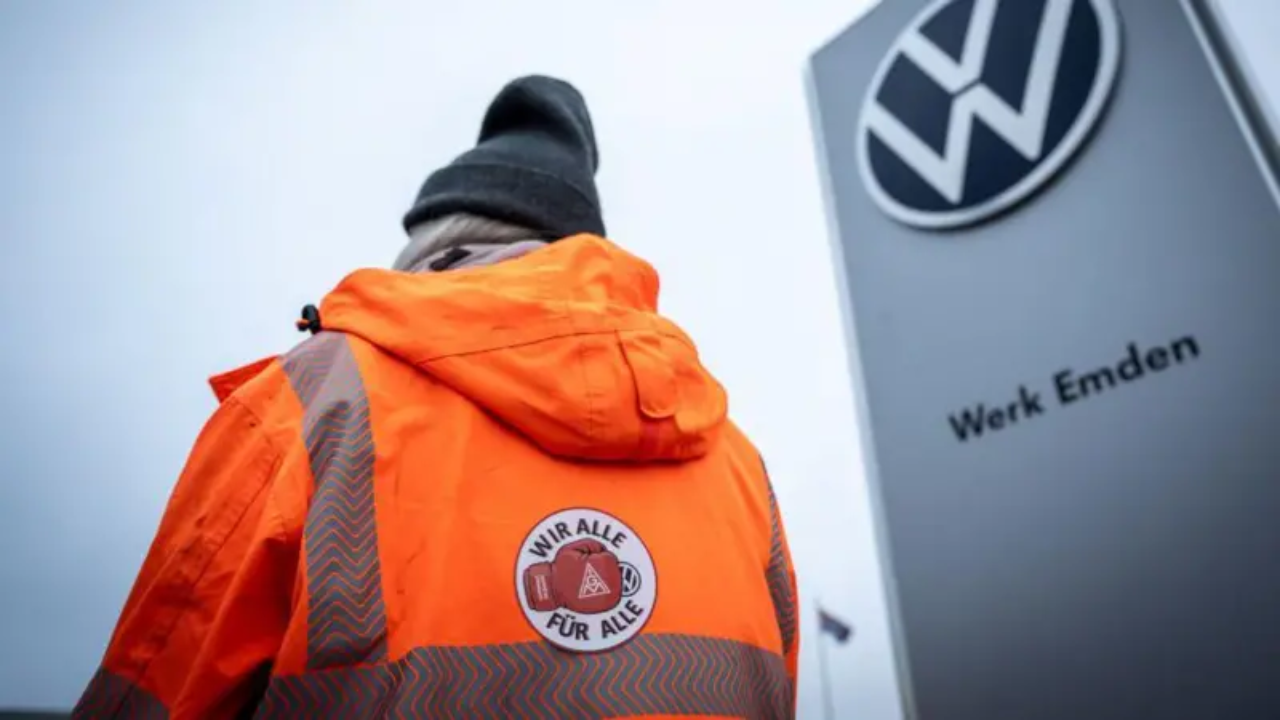
The German automaker is facing a significant crisis that requires rapid and effective actions. With plans to lay off 35,000 employees and transfer Golf production to Mexico, Volkswagen seeks to regain its competitiveness amid increasing competition from Chinese brands and other new players.
Declining Performance: Global Impact on Operations
In 2023, Volkswagen produced around 9 million vehicles, well below its total capacity of 14 million. This decline is attributed to rising logistics, energy, and labor costs, with the profit margin dropping to 2.3%.
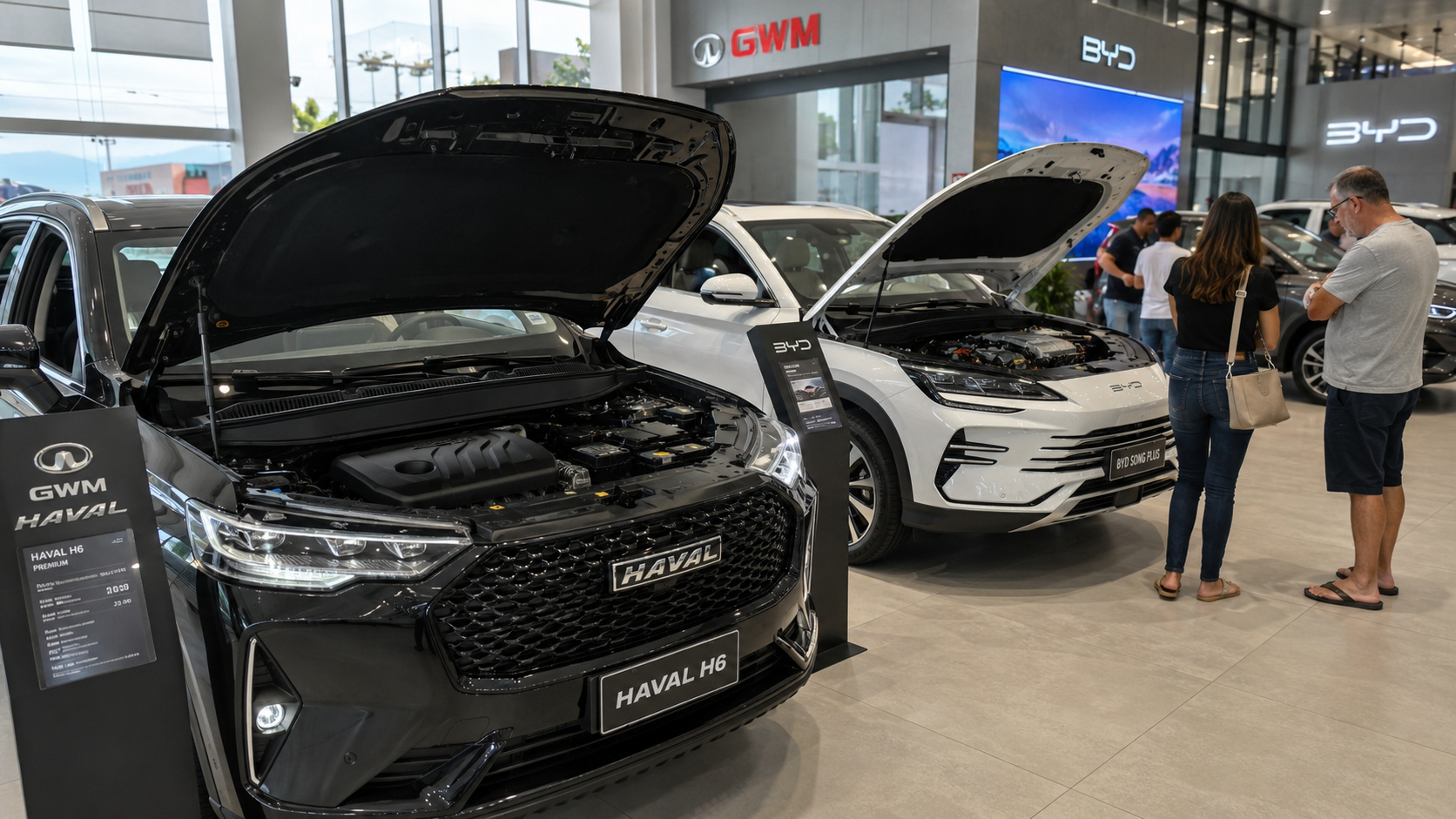
The loss of market share in China exacerbates the situation, with the company’s electric vehicle line lagging behind its competitors.
-
New Spanish Engine with Just 500cc Promises Power of 2,000cc, Is 70% Lighter, Crankshaft-Free, Seeks $14 Million to Exit Testing by 2026

-
Nissan Versa Offers Surprising Space and Comfort for Under $10,000, Impressing with Japanese Engineering

-
Changan Hunter K50 REEV: New Hybrid Pickup with 1,031 km Range and 4×4 Drive Set to Launch in 2026

-
Brazilian Company Unveils 3.3-Meter Foldable Micro Capsule: Inflates in Under Two Minutes, Fits Small Spaces, and Includes Bed, Table, and Outdoor Shower


Adaptation and Innovation: Technological and Strategic Challenges
Experts indicate that Volkswagen, along with other German automakers such as Mercedes and BMW, was slow to adopt the transition to electric vehicles.
The lack of technological advances and high production costs have undermined the competitiveness of the German automotive industry, forcing the company to announce a drastic cost-cutting plan after a 64% drop in profits in the third quarter of 2024.
External Pressures: Tariffs, Strikes, and Political Instabilities
Tensions are rising with warning strikes at German factories and the threat of import tariffs from the United States.

The victory of Donald Trump in the presidential elections increases uncertainty for Volkswagen and other European automakers, which are facing a perfect storm of economic and political challenges.
Two Fewer Models from the German Automaker in the Market
Volkswagen announced that by 2027, it will cease production of its convertibles and sporty station wagons, ending production of the T-Cross Cabriolet and the Arteon Shooting Brake. This move marks the end of more than 70 years of history and reflects the company’s need to adapt to new demands in the global automotive market.

The Way Forward: Restructuring and Competitiveness
With the political crisis in Germany and the call for new elections, Volkswagen represents an example of the difficulties faced by the German automotive industry.
The company’s ability to navigate these changes will determine its future in the competitive global market, as it seeks to redefine its strategy and remain relevant in a rapidly evolving landscape.