Portuguese
  Spanish


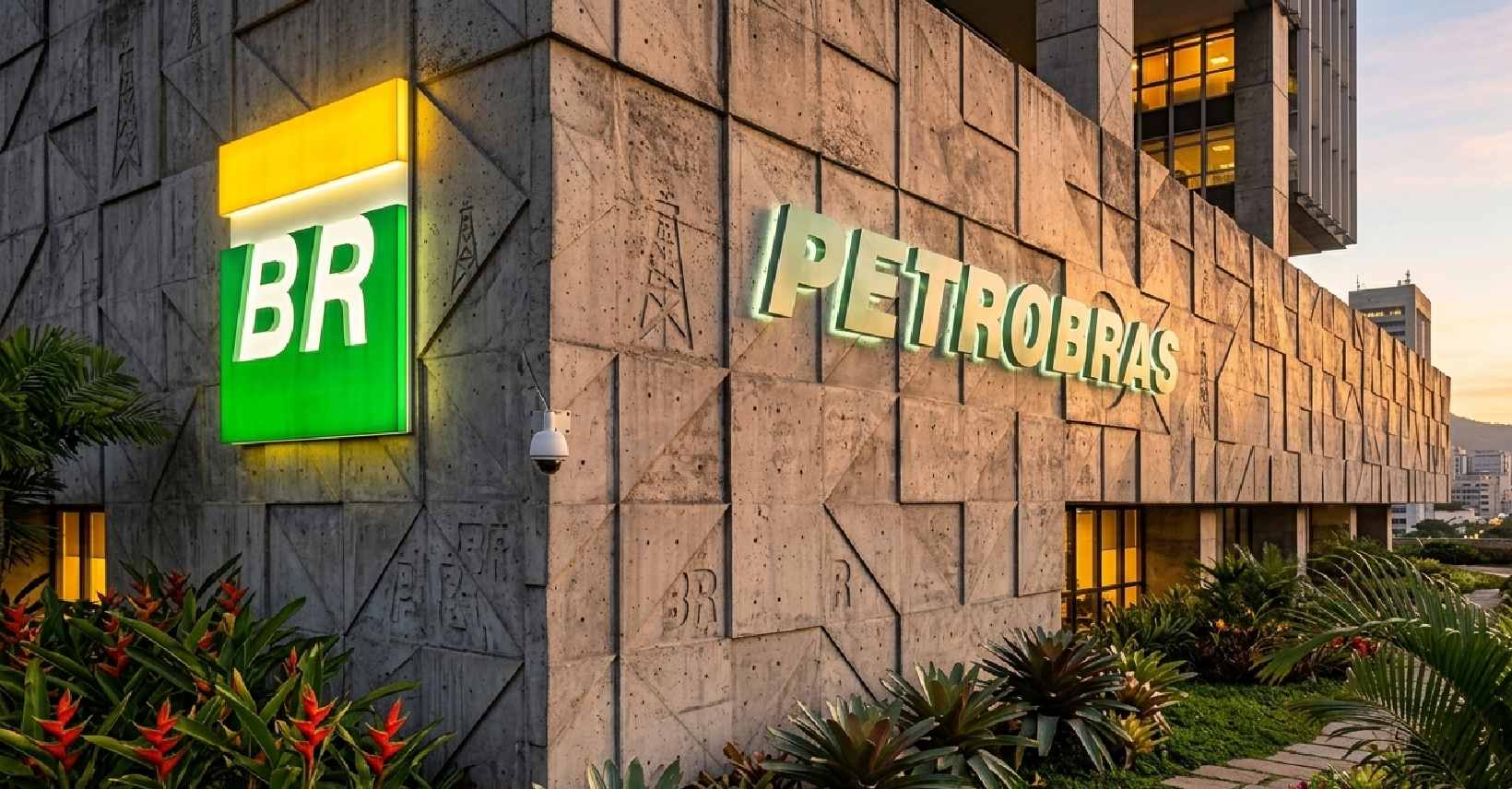

Petrobrás returned to the center of the national economic debate after the possibility of a new adjustment in gasoline prices, directly linked to a potential decision by the National Congress on reducing taxes on fuels. This move, although seemingly positive at first glance, can generate complex effects on the state company’s pricing policy and the market as a whole.
Currently, the discussion revolves around the approval of measures to reduce the tax burden on gasoline and other petroleum derivatives. However, Petrobrás may react to this cut by adjusting its prices, seeking to maintain financial balance and market predictability, which raises important questions about who really benefits from these changes.

Possible tax cut on fuels may provoke a strategic reaction from Petrobrás in the domestic market
In recent years, the topic of fuels has gained prominence in Brazil, mainly due to frequent price fluctuations. In this context, Congress is evaluating proposals aimed at alleviating costs for the final consumer by reducing federal and state taxes directly imposed on gasoline.
-
OPEC+ Boosts Oil Supply by 188,000 Barrels per Day in July 2026, Leading to Price Drop from $112 to $89 per Barrel in Under Two Months

-
TotalEnergies Signs 20-Year Deal to Purchase 2 Million Tons of LNG from Alaska, Boosting Project Viability
-
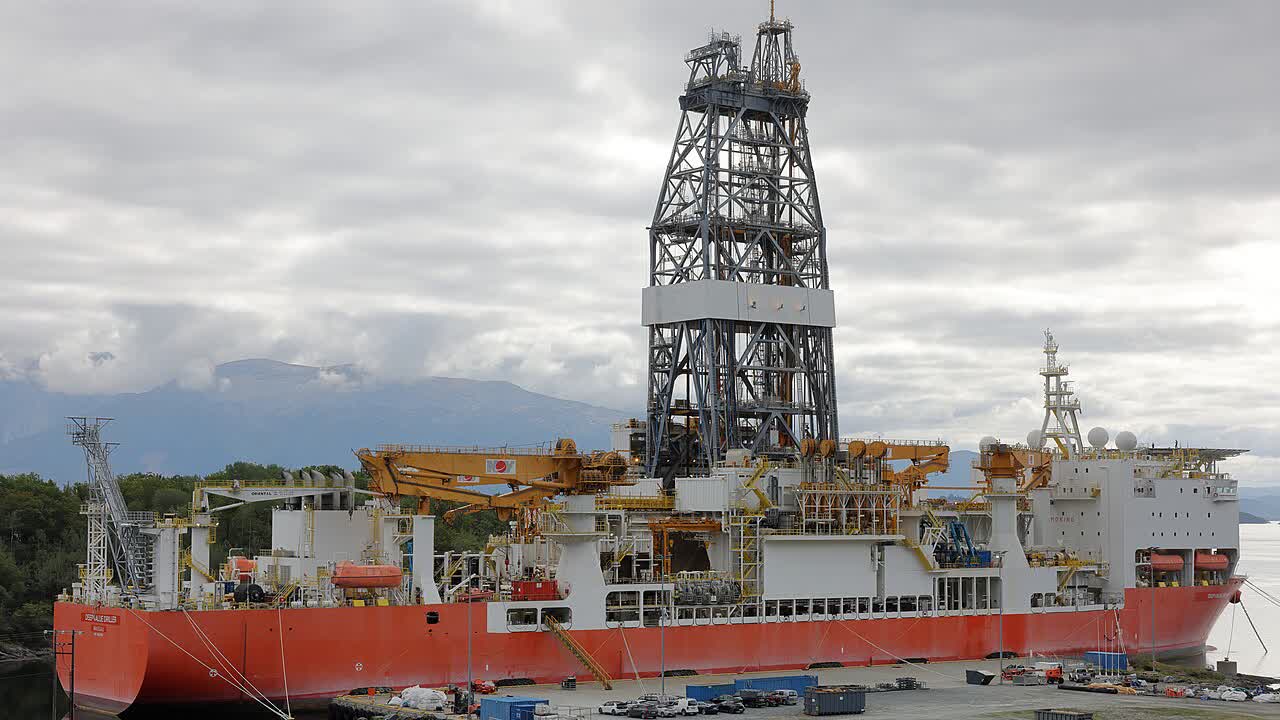
Turkey Deploys Çağrı Bey Drilling Ship to Explore New Oil Frontier Off Somalia’s Coast
-
Golden Pass LNG Ships First Liquefied Gas Cargo from the U.S., Completing $10 Billion QatarEnergy and ExxonMobil Investment


On the other hand, Petrobrás adopts a pricing policy aligned with the international market, meaning that factors such as the price of oil abroad and the dollar exchange rate directly influence the values practiced in the country. Thus, even with tax reductions, the state company may adjust prices to compensate for indirect revenue losses or maintain operational margins.
Furthermore, it is important to highlight that the company seeks to avoid distortions in the domestic market. If the final price becomes artificially low due to tax reductions, this could lead to increased demand and even shortages, prompting Petrobrás to act preventively.


Petrobrás’ pricing policy remains a determining factor for gasoline prices in Brazil
Petrobrás’ pricing policy has always been at the center of economic discussions, especially after changes implemented in recent years. Currently, the state company tries to balance three main factors: competitiveness, profitability, and market stability.
In this sense, any external change, such as a tax cut approved by Congress, directly impacts the company’s strategy. Instead of simply passing the reduction on to the consumer, Petrobrás may recalibrate its prices to maintain alignment with the international scenario.
Additionally, the company considers variables such as logistical, refining, and distribution costs. Therefore, the final price of gasoline does not depend solely on taxes but rather on a complex chain of factors that require constant monitoring and strategic adjustments.
Another relevant point involves predictability. Petrobrás seeks to avoid abrupt changes that could generate market instability. Thus, any adjustment tends to occur gradually, even if it responds quickly to structural changes.

Tax reduction may not mean an immediate drop in gasoline prices for the consumer
Although the proposal to reduce taxes sounds like a straightforward solution to ease the consumer’s pocket, in practice the scenario is more complex. This is because the reduction of the tax burden does not automatically guarantee a proportional decrease in the final price.
Firstly, Petrobrás may adjust its prices to compensate for the new fiscal scenario. Secondly, distributors and gas stations also influence the final value by applying their own margins. Thus, the real impact on the consumer may be less than expected.
Furthermore, the international market continues to be a determining factor. If the price of oil rises or the dollar appreciates, these elements can completely nullify any benefit generated by the tax reduction.
Therefore, although the measure has positive potential, it does not act in isolation. On the contrary, it depends on a series of variables that need to align for the consumer to notice a significant reduction in the price of gasoline.
National Congress evaluates economic and political impact before advancing with proposal on fuels
The National Congress faces an important challenge in analyzing the proposal to cut taxes on fuels. On one hand, there is popular pressure for lower prices. On the other, there is concern about revenue and fiscal balance.
In this scenario, any decision needs to consider the chain effects that affect the entire economy, including inflation, consumption, and investments. Additionally, the government also evaluates the impact on social programs and public accounts.
At the same time, the possibility of adjustment by Petrobrás adds an element of uncertainty. This is because the state company’s reaction may neutralize part of the benefits expected by the population, which requires even more careful analysis by the parliamentarians.
Another relevant factor involves the political scenario. Measures related to fuels tend to have a strong impact on public perception, especially during periods of economic instability or proximity to elections.

Scenario reinforces the importance of Petrobrás as a protagonist in the Brazilian energy sector
Regardless of Congress’s decision, the episode reinforces the central role of Petrobrás in the national energy sector. The company not only directly influences fuel prices but also impacts various sectors of the economy.
Moreover, Petrobrás acts as an economic barometer, reflecting changes in the global and internal scenario. Its decisions affect everything from transportation to the cost of basic products, highlighting its strategic relevance.
In this context, monitoring the state company’s movements becomes essential to understand market behavior. Each price adjustment, each strategy change, and each reaction to political decisions contribute to shaping the country’s economic scenario.
Finally, the possible gasoline adjustment, linked to the tax reduction, shows how the energy sector requires constant balance between economic, social, and political interests. And, at the center of this equation, Petrobrás remains a key player.