Portuguese
  Spanish


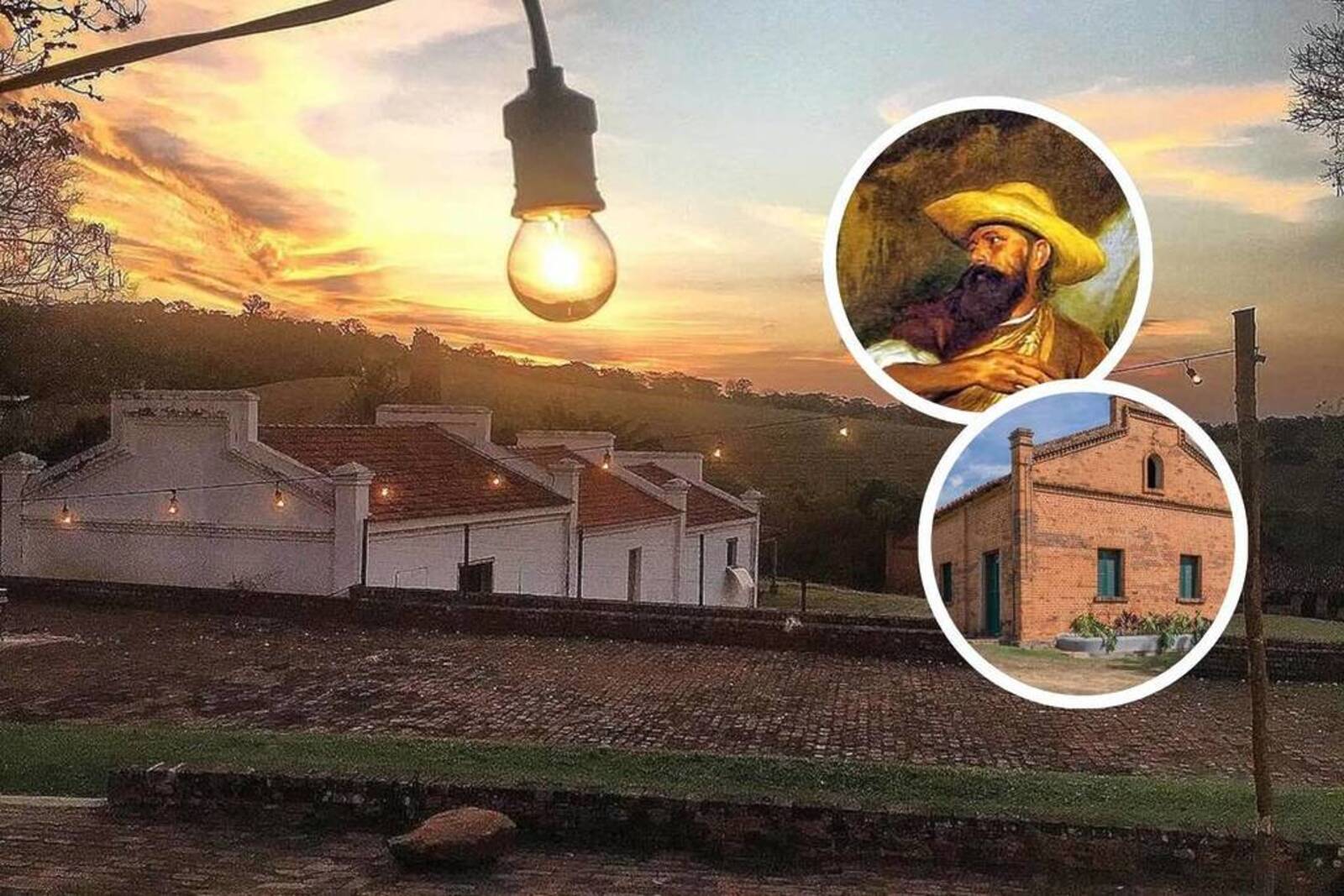

Built in 1790 in the rural area of Itu, Fazenda Vassoural preserves rammed earth, memories of sugar and coffee, rural tourism, events, and the rare Trem-da-Jamaica oven in a still active historical complex
Built in 1790 in the rural area of Itu, Fazenda Vassoural preserves the Trem-da-Jamaica oven, likely the last remaining example in the country, on a property linked to the sugar, coffee, slavery cycles, and today to rural tourism.


Farm started with sugar and migrated to coffee
Fazenda Vassoural was born in the colonial period, when Itu was part of the so-called “Sugar Quadrilateral”, alongside Sorocaba, Piracicaba, Mogi-Guaçu, and Jundiaí. The property began its activities with a sugar mill.
With the change in the economic cycle in São Paulo, Vassoural later moved to coffee production. Since its construction, the farm heavily depended on slave labor and was part of the agro-slavery system of that period.
-
Brazilian Lottery Winner Ordered by Court to Share $22 Million Jackpot with Ex-Partner, Sparking Major Legal Battle

-
Why Yellow is the Safety Color for Heavy Machinery: Origins and Benefits Since 1931

-
U.S. Channel Highlights 20 Brazilian Innovations Leading Latin America: From Açaí to Modular Homes and Biogas

-
Dog Goes Viral for Buying Its Own Food and Carrying the Bag Home in Its Mouth



Lands spanned generations of the same family
Founded during the enforcement of the Sesmarias Law, the farm is linked to the settlement plan of Itu in the 17th century.
The lands belonged to Beatriz Borba Gato, grandmother of the bandeirante lieutenant-general Manuel de Borba Gato.
In 1756, after remaining for more than 200 years in the same family, the property was purchased by Antônio Pacheco da Silva, a descendant of bandeirantes. Since then, it has remained with the same family for seven generations.
Main house preserves bandeirante technique
The main house is single-story, elongated, and covered by a four-sided roof. The thick walls were made using the bandeirante rammed earth technique, a construction method used in the 18th century.
The old main courtyard, where the sugar cane mill yard operated, became the pool area. Even with changes in use, the farm takes care to not detract from its historical value.
The original complex included purging houses, a milling house, barns, and other structures related to the agricultural production of the time.
Some barns were adapted and transformed into party halls, while yards and gardens received new organization.
Trem-da-Jamaica is a historical highlight
The Trem-da-Jamaica oven is the main architectural highlight of Fazenda Vassoural. Research on rural architecture indicates that it may be the last remaining example in Brazil, reinforcing the historical importance of the property.
The name refers to Jamaica, which was one of the major sugar producers in the Caribbean at that time.
The piece can be seen up close during historical tours conducted on the farm, which cover production, slavery, and economic transitions.
Rural tourism, events, and accommodation
Today, the main economic activity of Fazenda Vassoural is rural tourism. The space also serves as a venue for events, weddings, general parties, and corporate meetings.
In total, the farm can accommodate up to a thousand people at events. For group accommodation, the main house and annexes can host up to 38 people.
Visits occur only by appointment via phone, email, or official social networks. The farm also hosts school tours with educational activities, including the project “The Beginning of Things”, focused on rural life and the changes of the farm throughout history.
With information from São Paulo Secreto.