Portuguese
  Spanish


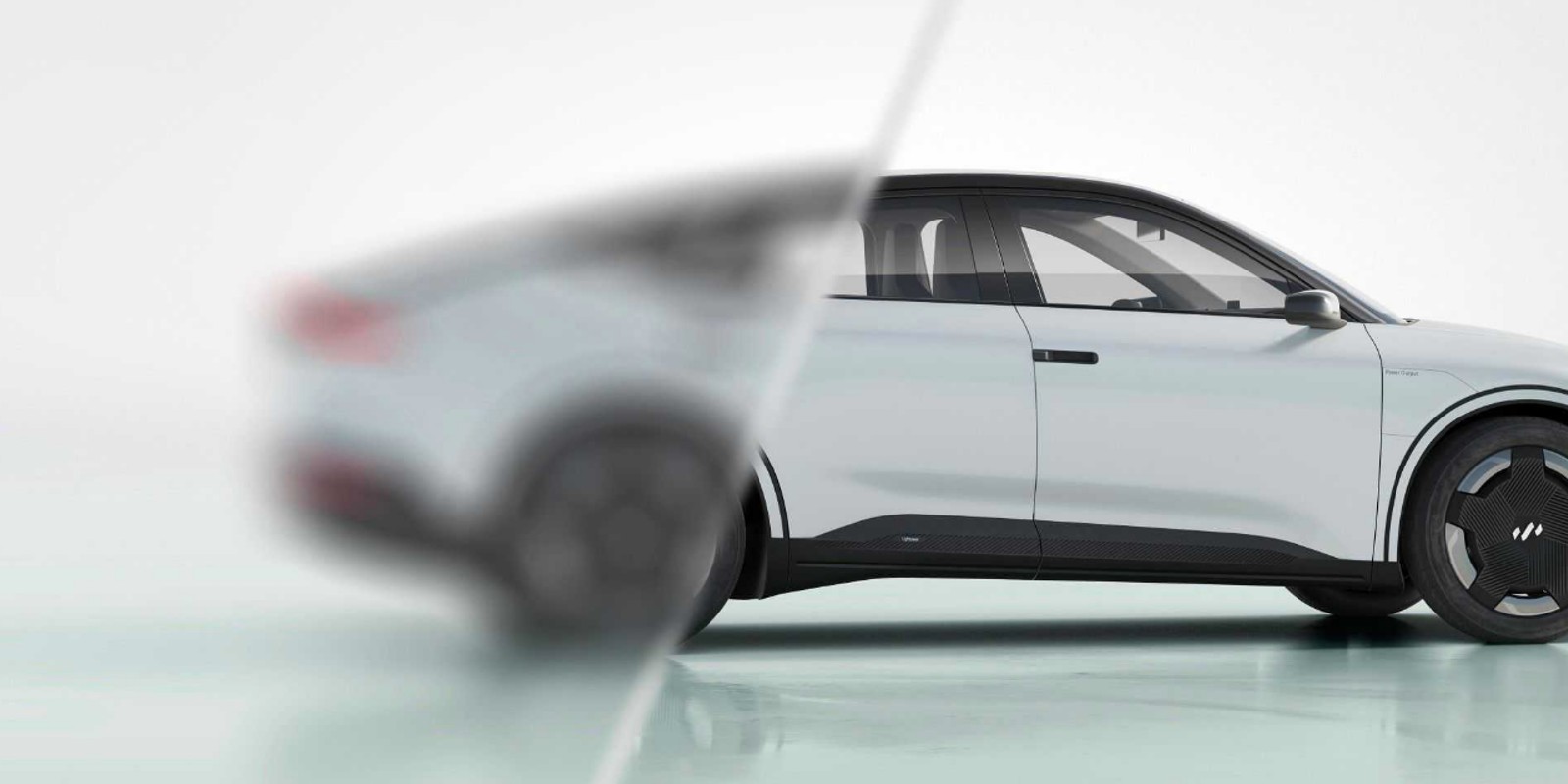

The Automotive Sector Is Already Investing In The Second Generation Of Solar-Powered Electric Vehicles. The News Is That The Models Will Begin To Be Produced By A Dutch Company And Were Presented At CES 2023, The World’s Largest Technology Fair Held In Las Vegas From January 5 To 8, And It Is The Concept Version Of The Lightyear 2. The Development Of The First Generation Involved An Investment Of € 81 Million.
And the prices are more accessible than one might think, considering the range of 800km, not a bad price of € 40,000 for the powerful vehicle. The first models of this new generation are expected to arrive in 2025, but those who wish to order the vehicle can do so now, as Lightyear has already provided a waiting list.
Beyond the issue of range, the second generation of solar-powered electric vehicles also brings cleaner energy for the entire chain. And there is a 50% reduction in carbon emissions, that is, a much more sustainable driving experience. Without compromising practicality, drivers will be able to prioritize sustainability, using solar power efficiently, and thus, the already overloaded electric grids can be spared.
The Lightyear 0
Those waiting for the first generation say that it will only be necessary to charge the car after months of use. It took six years of research to achieve the design that ensured optimal performance. The model is a sedan inspired by Porsche’s Panamera, and this version comes with a higher price. Converted into reais, those who want a ”toy” like this will have to invest over R$ 1 million. The vehicle weighs only 1,575 kg, quite light, as its body is entirely made of carbon fiber, and it is expected that the car will reach a maximum speed of 110 km/h.
-
Hatch with sedan space and 1.0 car consumption: equipped with a 1.5 engine with 126 hp, CVT transmission with seven simulated gears, and consumption of up to 17.4 km/l, this used Honda delivers technology, comfort, and reliability; meet the 2022 Honda City Hatch Touring.

-
End of an era in Brazil: beloved sedan by Brazilians is discontinued despite having a 2.0 engine with 151 hp, CVT transmission, 466-liter trunk, and up to 650 km of range.

-
New Law Proposal in Brazil Could Heavily Penalize Drivers: Dangerous Overtaking May Become a Serious Offense with Fines Increased Tenfold and a 12-Month License Suspension; Update on 2026 Progress

-
Electric Revolution: Watts W125 Motorcycle Offers 160 km Range, 90 km/h Speed, and Affordable Price Starting at $3,000




The first solar-powered electric motor will be presented in three volumes. With a five-square-meter solar panel, it has a range of 60 kWh and, with a full tank, can travel up to 625 km. If only solar energy is used, it can generate up to 11,000 km of range, depending on the climatic conditions where the Lightyear will operate. However, it can also be charged from an outlet, obtaining 32 km of range in domestic outlets in 1 hour, or 520 km of range at fast charging sources.
Performance is not the focus. Made with vegan and sustainable raw materials, including PET bottles and naturally sourced synthetic leather, eco-friendly microfibre suede seats, and wicker palm details. The Lightyear 0 began production in October 2022, and 946 units were ordered. The entertainment center, from where almost all functions of the car can be accessed, has a 10.1-inch display, and so far, the information is that it is only compatible with the Android operating system.