






 Portuguese
  Spanish
  3 min of reading


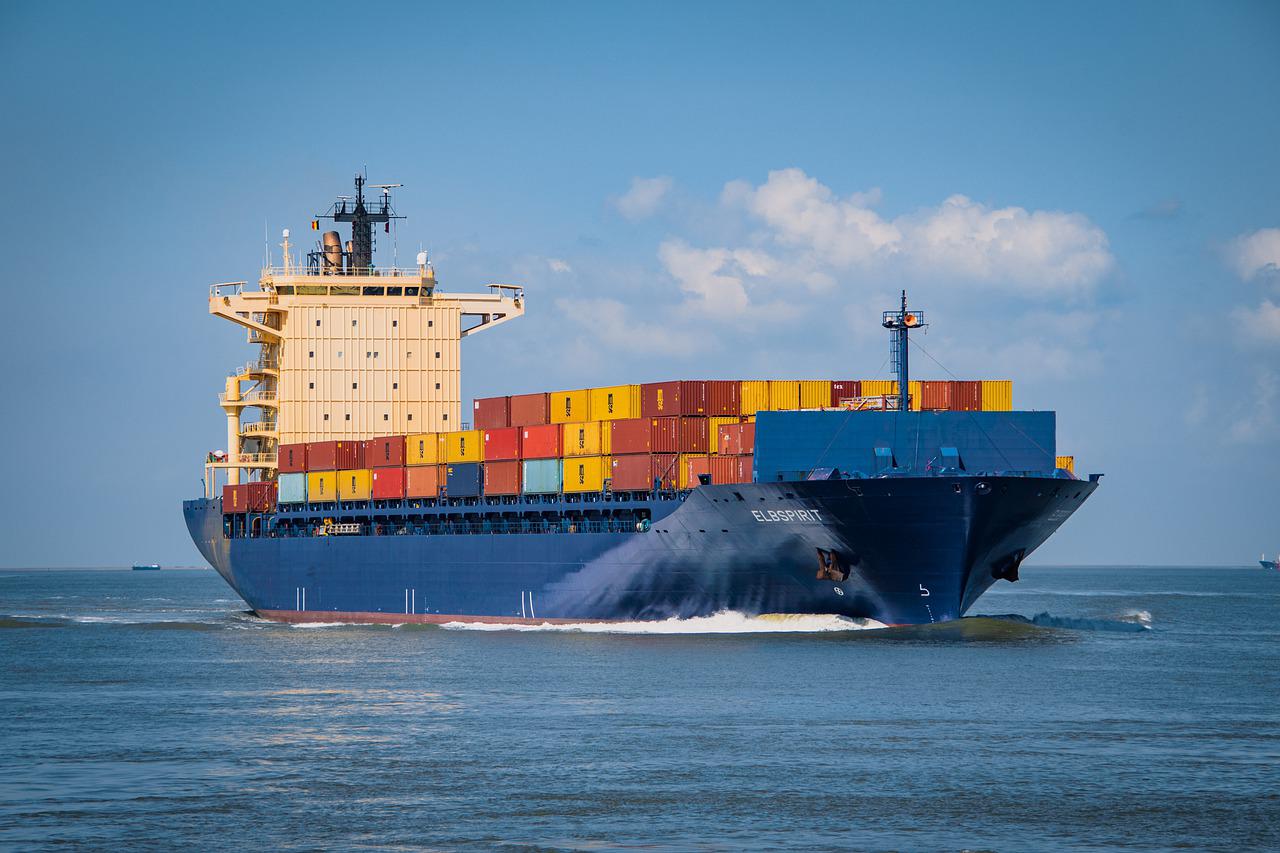
With an Investment of R$ 100 Million in Startups, Comexport Aims to Solve the Main Problems of Export and Import Logistics at Brazilian Ports, Which Still Need to Improve Efficiency Regarding Foreign Trade
Following an announcement made on this past Monday, (05/09), Comexport has begun its search for startups that provide solutions focused on port logistics. Thus, the company’s investment of R$ 100 million will be directed towards expanding innovation at Brazilian ports regarding export and import operations. This is the company’s new bet to ensure even greater efficiency in foreign trade relations.
About 15 Startups Offering Solutions for Import and Export at Brazilian Ports Will Be Hired by Comexport in Its Current Investment Plan
Foreign trade is increasingly on the rise in the international market, and Comexport is one of the major references in this segment, as well as the largest Brazilian company in the field. Therefore, the company wants to further expand this market and has now announced its investment plan focused on efficiency at Brazilian ports. The company’s main focus will be on export and import operations, aiming for a new scenario in the national port sector.
In this way, the group will make a total investment of R$ 100 million to hire around 15 startups. These companies will be responsible for providing solutions that ensure greater efficiency and productivity in export and import operations. Thus, Comexport aims to combine its experience of over 50 years in the foreign trade market with the modernized vision of startups to achieve a much more efficient and agile production chain at Brazilian ports regarding these activities.
-
Bolivian Female Construction Workers Form Association to Combat Discrimination and 38% Pay Gap in the Industry

-
Near Amsterdam, residents buy land and discover they must also build streets, manage drainage, handle waste, and grow food on half their plot.
-
Without a mansion, without high investment, and without a traditional classroom, a teacher living in a 22 m² house taught students to build a 9 m² studio apartment with the equivalent of R$10,000.
-
Without her own home and pressured by rent, a 25-year-old bought a small 15-meter boat, gradually renovated the interior by herself, transformed the interior with paint, new flooring, a larger bathroom, and started living on the canals, paying much less per month.


The company stated that, according to its surveys, it found that foreign trade in import and export is a market that totals approximately US$ 400 billion in goods traded per year in Brazil. Thus, the Comexport customer base, which expects to generate about R$ 19 billion this year, will be used to boost startups and scale their businesses. Consequently, Brazilian ports could benefit from new solutions and logistics techniques to ensure an even more advantageous relationship within foreign trade.
Brazilian Ports Are Still Losing Customers in Export and Import Due to Lack of Adequate Logistics
One of the main problems related to Brazilian ports regarding export and import operations today is the significant bureaucracy surrounding these activities. Thus, Comexport highlighted that the startups it is seeking in its investment plan could contribute to minimizing this problem in the country. With this, both these new companies could gain greater prominence in the national market, and Brazilian ports would benefit from even greater efficiency within these operations.
As a result, the company’s CFO, Rodrigo Guerra, stated that despite technological advances and the digitization of import and export processes in Brazil, there is still a long way to go for the sector to gain efficiency. Thus, the company’s investment plan aims to bring solutions to issues such as online currency exchange contract closures, opening accounts outside Brazil for CNPJs, reading and integrating international documents, among others. The company believes that technological efficiency at ports goes beyond digitized processes and also needs to encompass basic processes.
Finally, the company announced that it has already invested in the startups Talura and Cheap2Ship, which operate in international freight quotations, and that the next step is to seek new collaborators for this innovation project within export and import operations in Brazil.








Be the first to react!