






 Portuguese
  Spanish
  3 min of reading
  0 comments



A Proposed Bill in the Senate Seeks to Exempt Certain Vehicles from the Payment of the Vehicle Property Tax (IPVA).
Certainly, the costs associated with the IPVA are among the highest when it comes to maintaining a vehicle. With this in mind, a bill was proposed aimed at exempting certain vehicles from the payment of this tax.
This particular bill was approved by the Constitution and Justice Committee (CCJ) on Wednesday (21). The CCJ issued a favorable opinion regarding Proposal for Amendment to the Constitution (PEC) 72/2023. The text aims to grant IPVA exemption for certain vehicles currently in circulation in Brazil.
Which Vehicles Are Affected
According to the bill proposed by Senator Cleitinho (Republicanos-MG), the idea is to exempt the payment of the IPVA for cars manufactured over 20 years ago in Brazil. This text received a favorable report from Senator Marcos Rogério (PL-RO) and, after passing through the CCJ, will go for analysis by the Plenary.
-
Illegal betting money may change destination: government announces freezing of funds, contacts banks, and explains how the amounts could finance the fight against organized crime after a billion-dollar operation in three states.

-
Two sisters, aged 12 and 13, collected cans for a year, set up a lemonade stand without any help, and turned $236 into a business that has already grossed $65,000.

-
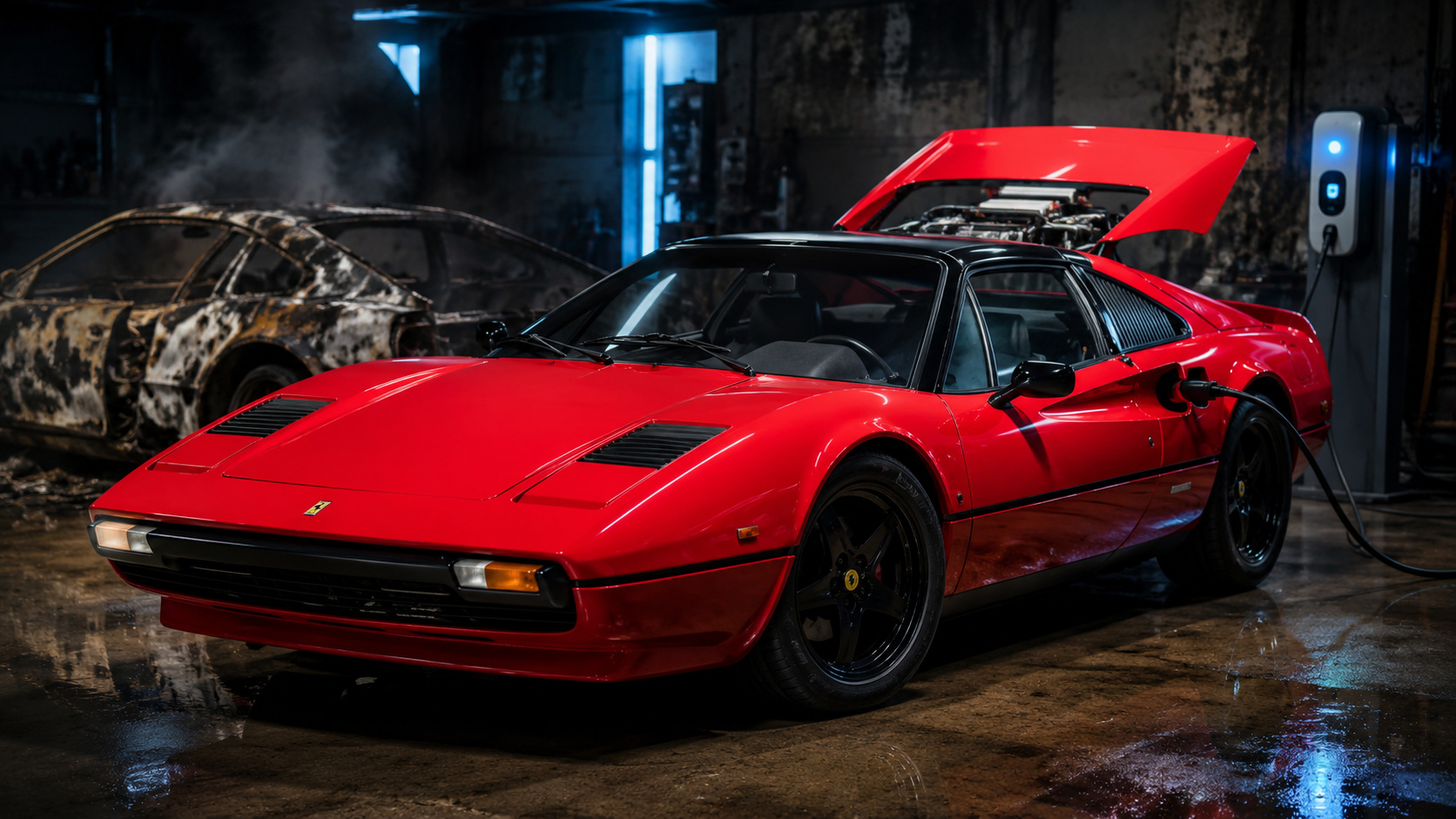
A burned Ferrari seemed destined for scrap, until a company removed the V8 engine, installed three electric motors, and transformed the old sports car into the 308 GTE with a 47 kWh battery.
-
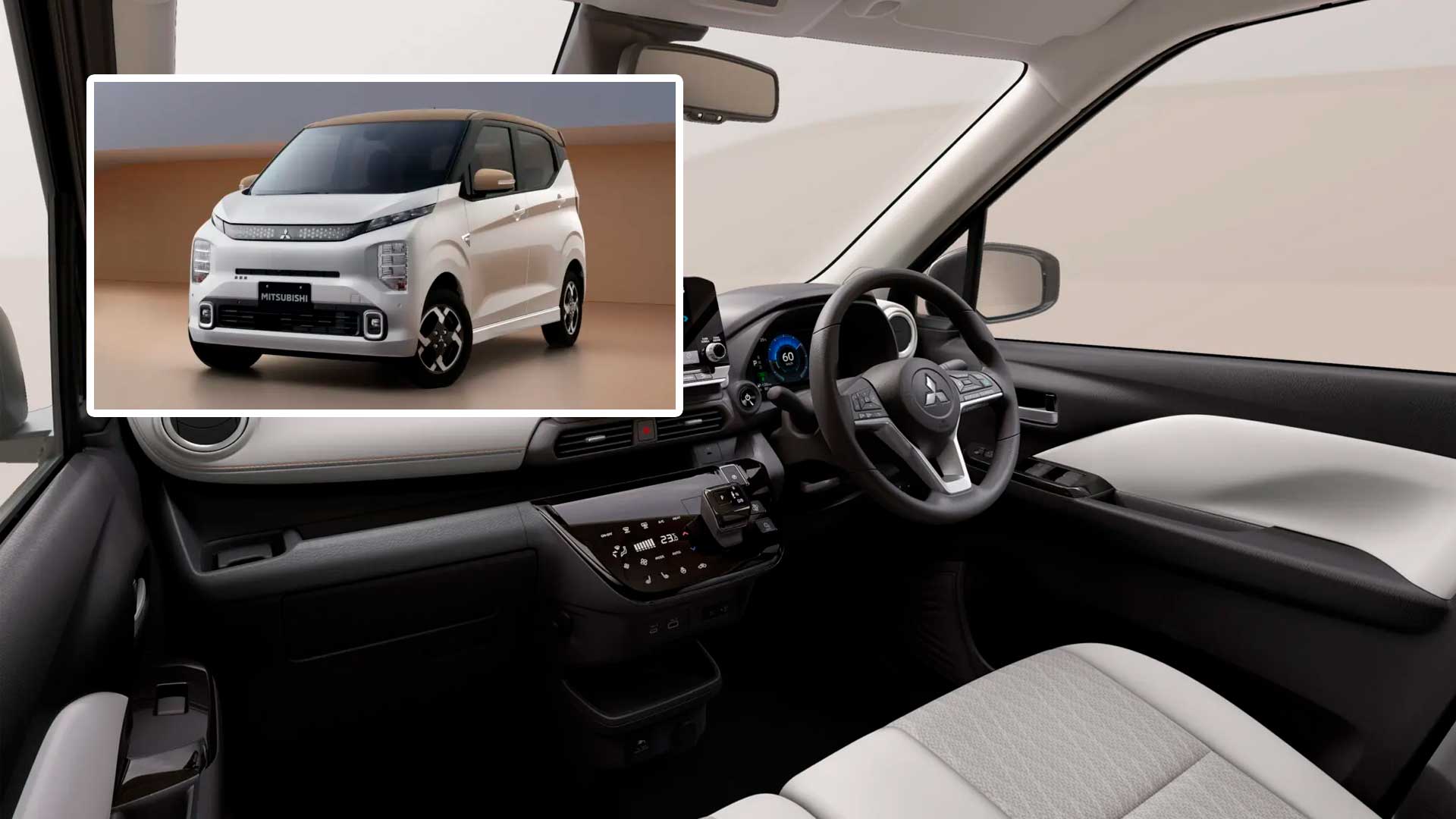
Smaller than a Kwid and priced at around R$ 60,000, the Mitsubishi eK Cross EV features a 1,500 W outlet, 180 km range, and becomes a sort of power bank on wheels in Japan.



In an interview with the Senate portal, Cleitinho highlighted that the tax reform increased the incidence of IPVA on water and air vehicles but forgot to consider the growing fleet of old vehicles in Brazil.
Currently, based on a survey released by the National Union of the Automotive Components Industry (Sindipeças), Brazil currently has the oldest vehicle fleet since 1995.
In this sense, the survey showed that, only considering the years 2020 to 2021, the number of cars over 20 years old increased from 2.5 million to 3.6 million. More Expensive Vehicles in Brazil.
Argument for the Exemption
Defending his proposal, the senator states that the aging of the vehicle fleet in Brazil occurred, especially due to the Covid-19 pandemic. Because of this, the price of IPVA increased for both new and used cars.
“In light of this, the principles of fiscal justice and economic capacity require this Congress to take measures to ensure these Brazilians can maintain ownership of their vehicles,” he stated.
Moreover, the senator also emphasized that this proposal, if approved, will result in a loss of revenue in only three states: Minas Gerais, Pernambuco, and Santa Catarina. This happens because, in the other states, there is a provision for exemption from the tax for vehicles over 20 years old.
Currently, in some places, the exemption even applies to vehicles over ten years old. “Considering that, as a rule, owners of older vehicles belong to the less affluent social strata, the expenses with IPVA consume a relevant portion of their income. With the approval of the PEC currently under analysis, the principles of fiscal justice and economic capacity will be simultaneously met,” stated the parliamentarian.
Opposition to the PEC Aiming to Exempt the IPVA
Opposing this project, Senator Oriovisto Guimarães (Podemos/PR) stated that the right measure would not be an exemption but rather a promotion by the state of the renewal of vehicles. In this sense, he highlights that in some countries the approach taken is the opposite: higher taxes on older cars.
“There are countries, like Japan, where the trend is the opposite. The older the car, the higher the tax,” he said. The senator further argued that the reason is that these older cars are the ones that pollute the most.
“There is an incentive for the fleet to be renewed. What happens is a benefit to sell the old car and buy a new one, with more modern technology that pollutes less. We would not be doing that,” concluded the parliamentarian. As mentioned, the project will now go to the Senate Plenary, where all parliamentarians can vote on the issue.




Be the first to react!