Portuguese
  Spanish


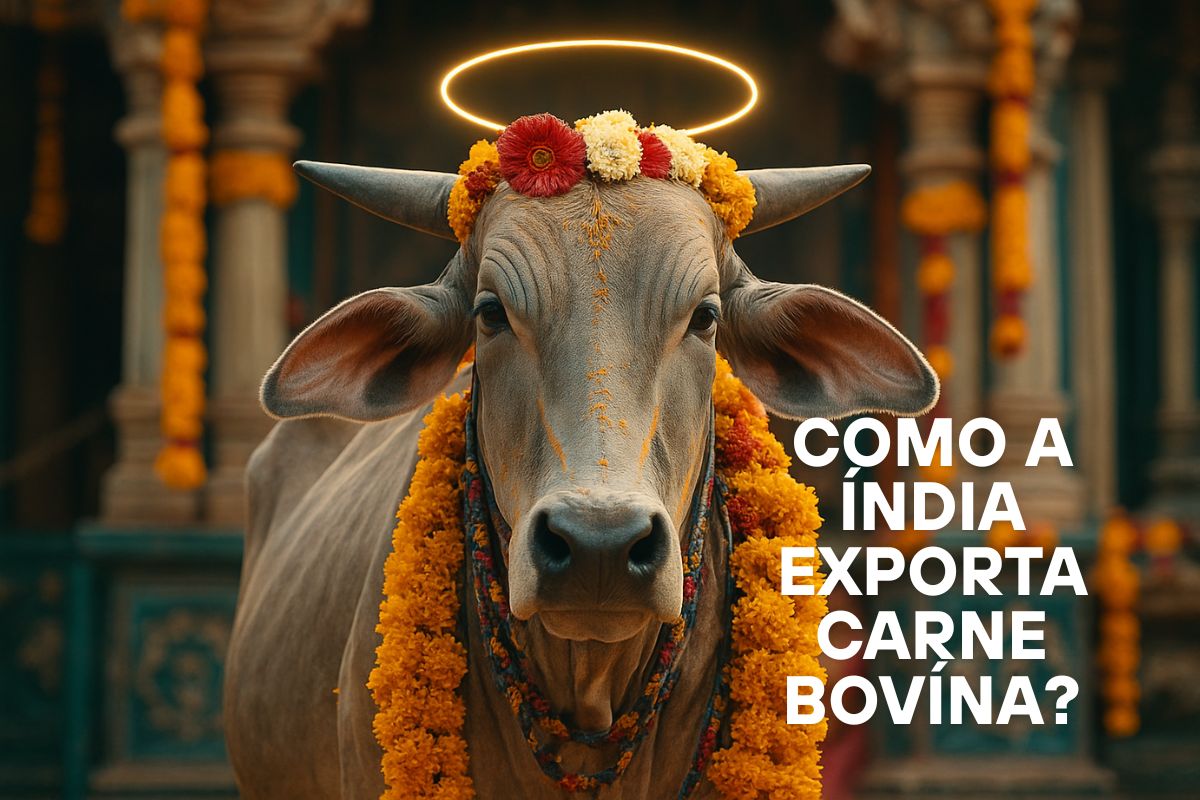


India is among the largest exporters of ‘beef’ in the world. The secret: the exported meat is from buffalo, an animal that is not sacred in the country, allowing for a reconciliation between tradition and agribusiness.
In India, the cow is a sacred animal. It walks freely in the streets and is revered. Nevertheless, the country ranks among the top three exporters of beef on the planet. Does it seem like a contradiction? The explanation lies in a crucial detail: most of this meat does not come from the sacred cow, but from the Asian buffalo.
The Sacred Cow in India: Tradition, Religion, and Laws
For millions of Indians, especially Hindus, the cow is more than just an animal. It represents purity, fertility, and the generosity of life. It provides milk, dung, and labor. Ancient sacred texts associate it with goddesses like Lakshmi and Bhumi.
Therefore, in many states in India, the slaughter of cows is strictly prohibited by law. The respect for them is profound and an essential part of the national culture, even with the country’s religious diversity.
-
Shoe Factories Close, Leaving 528 Workers Jobless in Sudden Turn of Events Affecting Hundreds of Families After Decades of Operation.

-
Chinese Automaker Plans Second Mega Factory in Brazil with $2 Billion Investment to Produce Electric and Hybrid Cars in Strategic Location.
-
Family Quietly Transforms Old Sawmill into $700 Million Business, Opens 25 Stores in Two Years Across 22 Brazilian States

-
Couple Sold Their Home to Save Business, Now Run Platform Handling $180 Million Monthly and Managing Over 51 Million Listings



The Exported Meat is from Buffalo, Not from Cow
If the cow is untouchable, where does the exported meat come from? The answer lies in the Asian buffalo (Bubalus bubalis). This animal, common in India, does not hold the same sacred status as the cow within Hinduism. Therefore, its slaughter and consumption are permitted.
The key point is that, in international markets and statistics, buffalo meat is often generically classified as “beef”. This technical detail allows India to be an exporting powerhouse without violating its majority beliefs.
How the Billion-Dollar Buffalo Meat Industry Operates in India
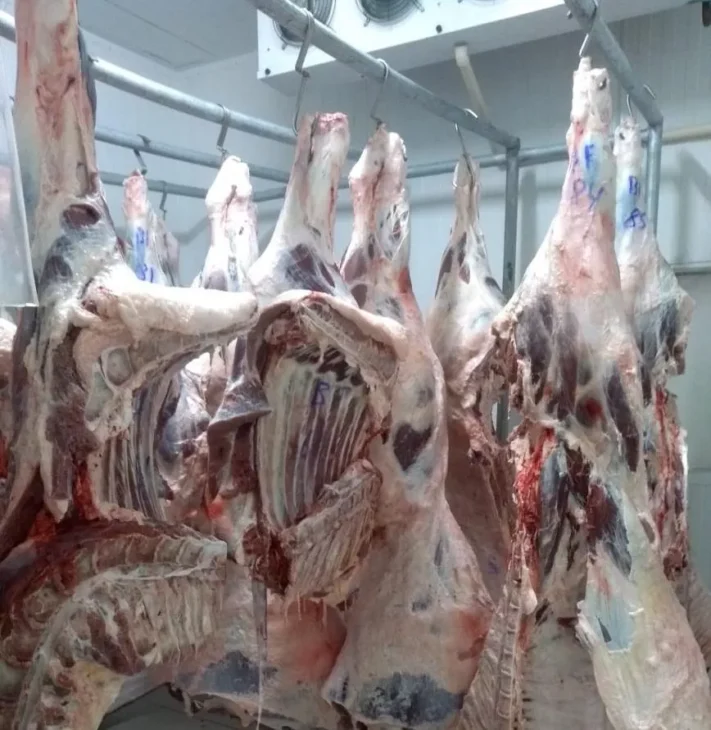
India has the largest buffalo population in the world, estimated at over 110 million. The rearing is mainly done by small-scale farmers. Buffaloes are valued for their milk production. When their productive life (milk, reproduction) ends, they may be directed for slaughter. There are dozens of modern and certified slaughterhouses in the country.
Many follow Halal slaughter, meeting the requirements of Muslim countries. It is important to note that a large part of this production is aimed exclusively at export. The domestic consumption of buffalo meat is limited in many regions of India.
Where Does the Meat Go?
The buffalo meat from India has strategic destinations. The main buyers are countries in Southeast Asia (Vietnam, Malaysia, Indonesia), the Middle East (Egypt, Saudi Arabia), and parts of Africa. These markets prefer Indian products for two main reasons: price (up to 30% lower than cattle) and the Halal certification.
Vietnam also serves as an informal gateway to the Chinese market. Annually, India exports about 2 million tons, generating between 3 to 4 billion dollars. This represents approximately 20% of the global beef trade (including buffalo).
Internal Conflicts Between Tradition and Profit
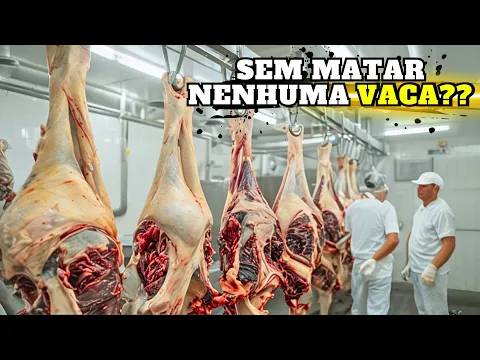

Despite the economic success, the buffalo meat industry is not free from internal tensions in India. More conservative religious groups protest against slaughter. Conflicts and even violence can occur, sometimes confusing the transport of buffaloes with that of cows. On the other hand, the agro-industrial sector defends the activity for generating income and utilizing animals.
Legislation on slaughter varies among states, creating a fragmented landscape. The federal government generally supports export, while state governments may impose restrictions. India continues to manage this complex balance between faith, tradition, and the billions generated by buffalo meat export.