





 Portuguese
  English
  Spanish
  4 min of reading
  0 comments


While the world rushes to mine lithium from Congo and Chile and China dominates the refining of the battery metal, Brazil sits on one of the largest known reserves in the Jequitinhonha Valley and has barely begun to take advantage of this wealth.
Lithium has become one of the most sought-after metals on the planet, the heart of the batteries that power cell phones and electric cars. Around the world, the race for it has accelerated, with Congo opening one of the largest mines globally, Chile breaking export records, and China dominating refining. And Brazil, which has everything to shine in this story, is still crawling.
The country hosts one of the largest known reserves of lithium, concentrated mainly in the Jequitinhonha Valley, in Minas Gerais, one of the poorest regions in Brazil. The potential is enormous, but so far the country exports the ore almost raw and barely takes advantage of the most valuable part of the chain, which is to transform this lithium into batteries and high-tech products.
A Treasure in the Jequitinhonha Valley
There is a beautiful and painful irony in this story. The Jequitinhonha Valley, historically associated with poverty and drought, holds underground one of the most coveted treasures of the century. The lithium reserves there could transform the economy of the region and the country, generating jobs, income, and development in a land that has always needed it. The potential for change is enormous.
-
Heir worked at thirteen in an ice cream factory without revealing he was the owner’s son; today, at twenty-five, he leads the best-selling ice cream brand for home consumption in the Northeast, grosses almost R$ 300 million, has 145 stores, and competes with multinationals with regional flavors.

-
Lock manufacturer from Rio Grande do Sul invests R$ 150 million to surpass R$ 1 billion in revenue, create 200 jobs, and double storage capacity, while choosing Santa Catarina to set up a new logistics center and speed up deliveries in Southern Brazil.
-
Neymar elevates the status of the Northeast with a billion-dollar megaproject of 28 luxury developments, 100 km of turquoise-blue beaches, 10 residential projects already under construction, multimillion-dollar beachfront mansions, an exclusive sports arena, and an expected impressive movement of R$ 7.5 billion in Pernambuco and Alagoas.

-
Luciano Hang’s cousin left Havan after nearly a decade, invested in real estate, and now manages R$ 6 billion in launches; the entrepreneur, who only gets paid when he sells, claims to have sold out an entire building in Santa Catarina in just 45 minutes.


I confess that I imagine what this wealth could mean for such a battered region if it were well utilized. It’s not just about digging and selling ore, but about building an entire chain around it, with processing, industry, and technology. It’s the difference between exporting cheap raw material and truly participating in the battery economy, which moves trillions around the world.
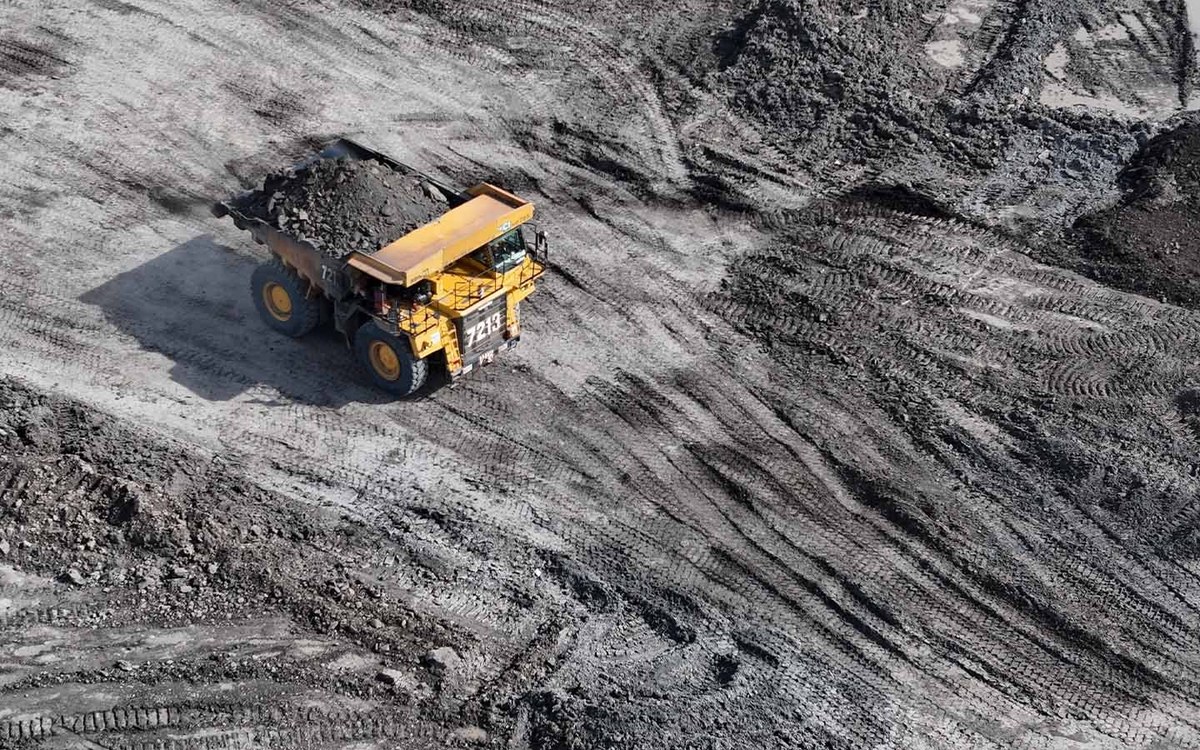
The World Ahead, Brazil Behind
While Brazil hesitates, the rest of the world runs. China not only consumes lithium but dominates refining and battery manufacturing, dictating prices and rules. Countries like Chile and Australia have been exploiting their reserves on a large scale for years, and now even Congo is entering the game strongly. Each of these advances increases the gap between those who lead the lithium economy and those left behind.
The difference is not in having the ore, but in what is done with it. Brazil has the lithium, but exports the cheapest part of the chain and imports back the expensive products made with it, such as batteries. It’s like selling wheat and buying bread, earning little and depending on others for the part that really makes a profit. This logic, repeated in various sectors, is a well-known issue in the Brazilian economy.
To understand the extent of the waste, it’s worth looking at where the real money is. Raw lithium ore is worth a fraction of what a finished battery is worth, and even less compared to a complete electric car. At each stage of transformation, the value multiplies, and it is precisely in these stages that China and other countries have specialized. Those who only sell the stone get the thinnest slice of a huge cake. If Brazil could climb this ladder, processing lithium and manufacturing batteries at home, it would retain wealth in the country that currently slips away, generating qualified jobs and technology instead of just shipping cheap ore abroad.
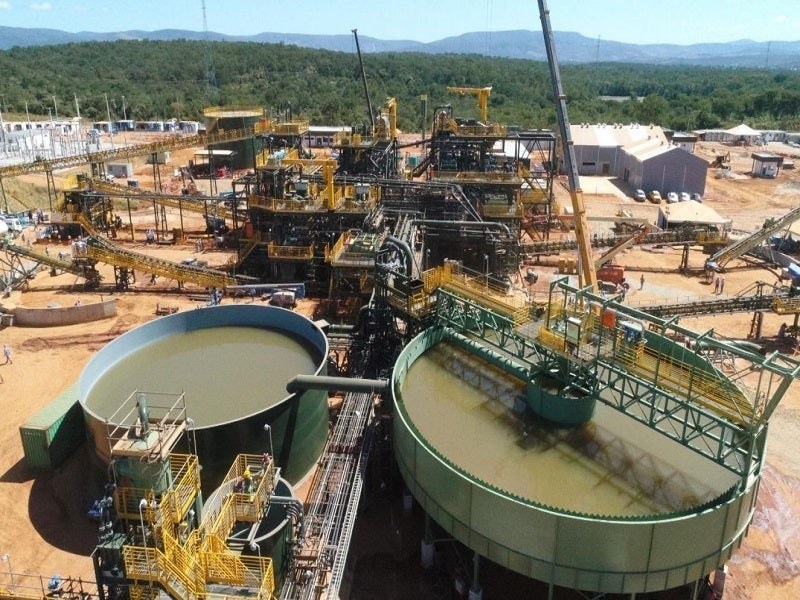
Why Brazil Takes So Long
The reasons for Brazil taking so long to take advantage of its lithium are many and well-known. Lack of investment, unclear rules, precarious infrastructure in the reserve regions, and the old tendency to export raw material instead of industrializing. Add to this legitimate environmental and social concerns, as mining needs to be done carefully to avoid repeating past mistakes, and the result is slower progress than the potential would allow.
The good news is that something is starting to move. There are lithium mining projects advancing in the Jequitinhonha Valley, and investor interest is growing. But truly advancing would require more than digging; it would be necessary to attract processing and battery industries, train the workforce, and treat lithium wealth as a national strategy, not just another ore to ship raw abroad.
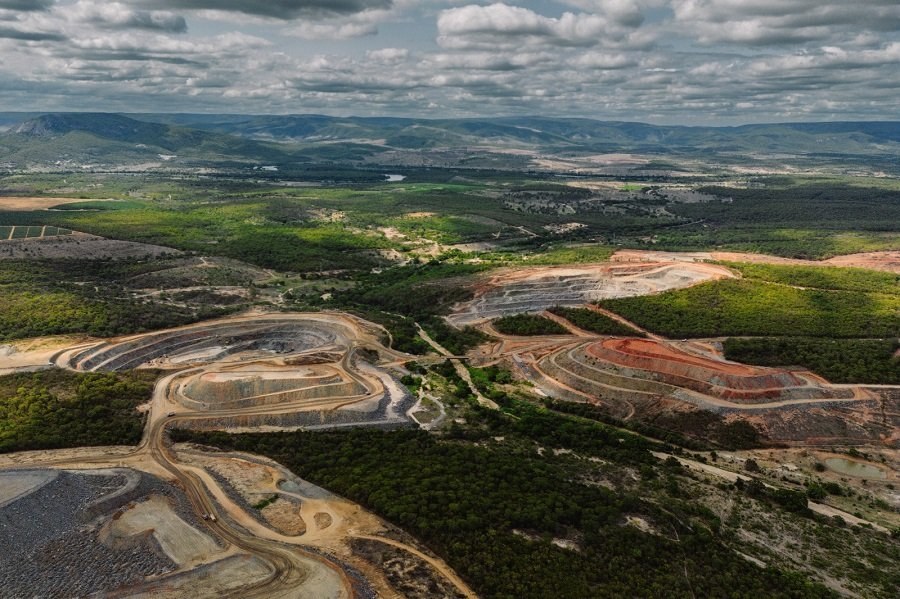
The Wealth Brazil Hasn’t Embraced Yet
I imagine the size of the opportunity that Brazil lets slip away each year without truly transforming its lithium wealth into industry and development. It is a valuable resource, concentrated in a region that so much needs opportunities, waiting for the country to finally embrace it with the ambition it deserves.
The global race for lithium shows that time is precious, and those who delay too much risk seeing others take the lead for good. Brazil holds a valuable card in the game of the future economy, but has not yet decided to play it with determination. Transforming the treasure of the Jequitinhonha Valley into real wealth, without becoming a lament, is a challenge the country needs to face before this window closes, because opportunities like this, in the fast-paced race for the energy of the future, do not usually wait for those who are slow to decide.
Why does Brazil take so long to transform a wealth that the whole world is vying for into real development?





Be the first to react!