Portuguese
  Spanish


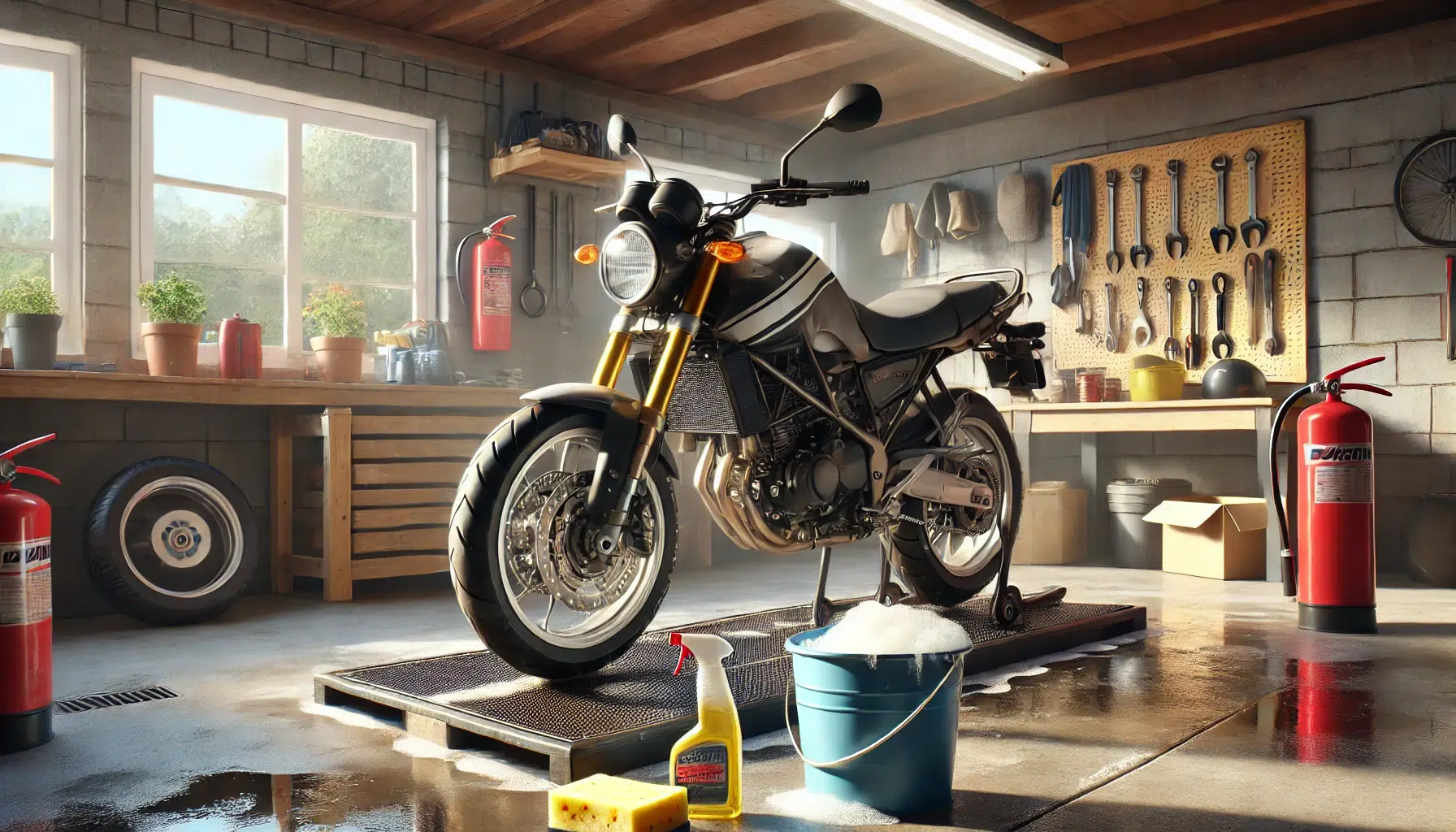

These Tips Are Essential To Know How To Wash A Motorcycle At Home Correctly, Keeping It Clean And Prolonging Its Lifespan
Knowing how to wash a motorcycle at home correctly is not just a matter of aesthetics but also of preservation and safety. Accumulated dirt can compromise mechanical components and reduce the lifespan of the paint.
To avoid damage and ensure effectivecleaning, following some simple guidelines makes all the difference when washing a motorcycle.
Motorcycle Washing: Choose An Appropriate Location
First of all, it is important to find a shaded area. Strong sunlight can damage the paint of the motorcycle, leaving stains or even causing cracks over time. Additionally, working in the shade reduces rider fatigue and improves the cleaning process experience.
-
Kia K4 Launches in Portugal with 7-Year Warranty, Targets Volkswagen Golf with 1.0 Turbo Engine, Unavailable in Brazil

-
Uber Women Expands Across Brazil: Female Riders Can Now Choose Women Drivers, Schedule Rides, and Set Automatic Preferences

-
Brazil Plans to Launch Ethanol-Fueled Hybrid Cars in 2026 as an Alternative to Fully Electric Vehicles

-
Hyundai HB20S 2026 Surpasses Onix with Turbo Engine, Fuel Efficiency of 15.2 km/l, and Over 750 km Range, Leading Compact Sedan Sales in Brazil with 5,205 Units Sold.



Another important point is to ensure that the location has a stable and as flat as possible surface. This prevents accidents and facilitates access to all parts of the motorcycle.
Don’t Start Washing The Motorcycle With A Hot Engine
The temperature of the engine and bodywork can be a problem during washing. If the motorcycle is hot, contact with cold water can cause thermal shock, leading to damage to the paint and metal components. Additionally, there is the risk of burns when touching hot parts while cleaning the motorcycle.
The ideal is to wait until all surfaces are cool to the touch. This simple care prevents losses and provides a more efficient wash.
Use Appropriate Products And Avoid Scratches
The products used for washing directly influence the outcome. It is best to opt for an automotive shampoo or a neutral detergent. Very aggressive products, such as solvents or strong degreasers, can wear down the paint and even damage mechanical parts.
Another important precaution is to use soft, clean sponges. This avoids scratches on the bodywork and improves dirt removal. Rough or dirty sponges can cause scratches and harm the motorcycle’s appearance.
Start Cleaning The Motorcycle From Top To Bottom
Starting the wash from the top of the motorcycle ensures that dirt isn’t transferred from the dirtier parts, such as wheels and engine, to the bodywork. This reduces the risk of scratches and facilitates the removal of impurities.
Furthermore, it is important to avoid direct contact of water with electronic components. Some parts of the motorcycle, such as the dashboard and electrical connections, are not designed to withstand excessive moisture. One tip is to try to cover these electrical parts with plastic to ensure there will be no issues after washing.
Don’t Let The Soap Dry On The Motorcycle
During washing, the soap should be rinsed immediately after application. If it dries on the surface of the motorcycle, it can leave permanent stains. Additionally, some products contain chemicals that can react with the paint and cause irreversible damage.
For this reason, it is ideal to work in sections. Apply soap to one section of the motorcycle, scrub, and rinse before moving on to another area. This ensures uniform motorcycle cleaning and prevents unwanted stains.
Special Attention To The Wheels
The wheels accumulate a large amount of dirt from the motorcycle, especially asphalt residue and brake dust. To clean them properly, it is recommended to use a mixture of warm water and neutral soap.
There is also the option of specific products for wheels, which help dissolve tougher dirt. Application should be done with a soft sponge, ensuring no abrasive residues that could scratch the surface remain.
For alloy wheels, it is important to avoid abrasive products. These materials can compromise the finish and reduce the durability of the parts.
Drying With A Microfiber Cloth
After washing, it is essential to dry the motorcycle properly. Water accumulation can leave stains and even cause corrosion on some parts. Using microfiber cloths is the best option, as they absorb moisture without scratching the surface.
Moreover, microfiber helps enhance the shine of the paint and plastics, providing a more beautiful finish. Unlike common cloths, this material does not shed lint and ensures a more satisfactory result.
Chain Lubrication
The motorcycle chain needs special attention after washing. Water and soap can remove natural lubrication, increasing friction and accelerating wear. To prevent this, it is recommended to apply an appropriate lubricant oil as soon as the motorcycle is completely dry.
Proper chain lubrication improves performance and prevents unwanted noise. Additionally, it contributes to the durability of the transmission system, reducing the need for frequent maintenance.
Avoid Using Inappropriate Products On The Tires
Products like “black tire shine” should be avoided on motorcycle tires. These substances can drip onto the contact area with the ground, reducing grip and increasing the risk of falls.
If you want to improve the appearance of the tires, applying a gel silicone can be done only on the sides, away from the tread. This care ensures that the tire continues to provide the necessary grip for safe riding.
Finishing And Paint Protection
After finishing the cleaning of the motorcycle and leaving it dry and clean, it is possible to apply a protective wax to preserve the paint. The product should be spread with a rag or cotton in firm, circular motions, covering small areas at a time.
After application, the excess wax should be removed with a soft cloth, ensuring a uniform and shiny finish. This process helps protect the paint against external agents, especially dust and moisture.
If you want to keep your motorcycle well cared for, learning how to wash a motorcycle at home regularly can bring long-term benefits. In addition to saving money, this habit helps prolong the motorcycle’s lifespan and keep its appearance always impeccable.
What Is The Ideal Frequency For Washing The Motorcycle?
The frequency of washing depends on the environment where the motorcycle is used. For those who live in coastal regions, where there is exposure to salt air, the recommendation is to clean it every seven to ten days.
The same applies to those who frequently travel through dirt roads. Dust and mud accumulate quickly, potentially compromising mechanical components. In urban areas, where the motorcycle is not exposed to as much dirt, washing every two weeks may be sufficient.
Is Professional Washing Worth It?
For those who do not wish to clean it themselves, an alternative is to opt for professional services. Specialized washing can offer more convenience and ensure a detailed finish, using specific products for each component of the motorcycle.
The cost of this service varies according to the region and the type of cleaning offered. In some cases, it may be worth considering this option to save time and ensure a better result.
Knowing how to wash a motorcycle at home correctly not only improves its appearance but also preserves its performance and value. With the proper care, as well as maintaining aesthetics, it is possible to avoid damage and ensure more safety while riding.