Portuguese
  Spanish


While the world rushes to electrify everything, automakers are transforming the country into a showcase for a third way that combines electric motor, ethanol, and Brazilian sugarcane
The flex ethanol hybrid car has become the automotive industry’s big bet in Brazil for 2026, and the reason is strategic. Instead of going straight to the 100% electric car, automakers like Toyota and Stellantis are electrifying their models without abandoning the fuel that the country produces better than any other: sugarcane ethanol.
The flex hybrid combines a combustion engine powered by ethanol and gasoline with an electric system that recovers energy and saves fuel. The Brazilian advantage is simple: since ethanol is renewable, a hybrid fueled with it can have one of the lowest carbon footprints in the world, without relying on a dense network of charging stations.
The Brazilian bet against the pure electric car
The choice is not by chance. Brazil has a unique fuel matrix, with ethanol available at practically every station, and a fleet accustomed to flex technology for almost two decades. Pushing the 100% electric car all at once faces high prices and a lack of charging points outside major cities.
-
Hyundai HB20S 2026 Surpasses Onix with Turbo Engine, Fuel Efficiency of 15.2 km/l, and Over 750 km Range, Leading Compact Sedan Sales in Brazil with 5,205 Units Sold.

-
Toyota Corolla GLi Upper 2019: Affordable Sedan with Spacious Trunk, 1.8 Flex Engine, CVT Automatic, and Seven Airbags Offers Comfort and Safety

-
Hyundai Elantra 2026 Returns with AI, Digital Cabin, and i20-Inspired Design Transformation

-
Jeep Avenger 2027 Unveiled with Hybrid Engine, New Technology, and Estimated Price for Brazilian Market

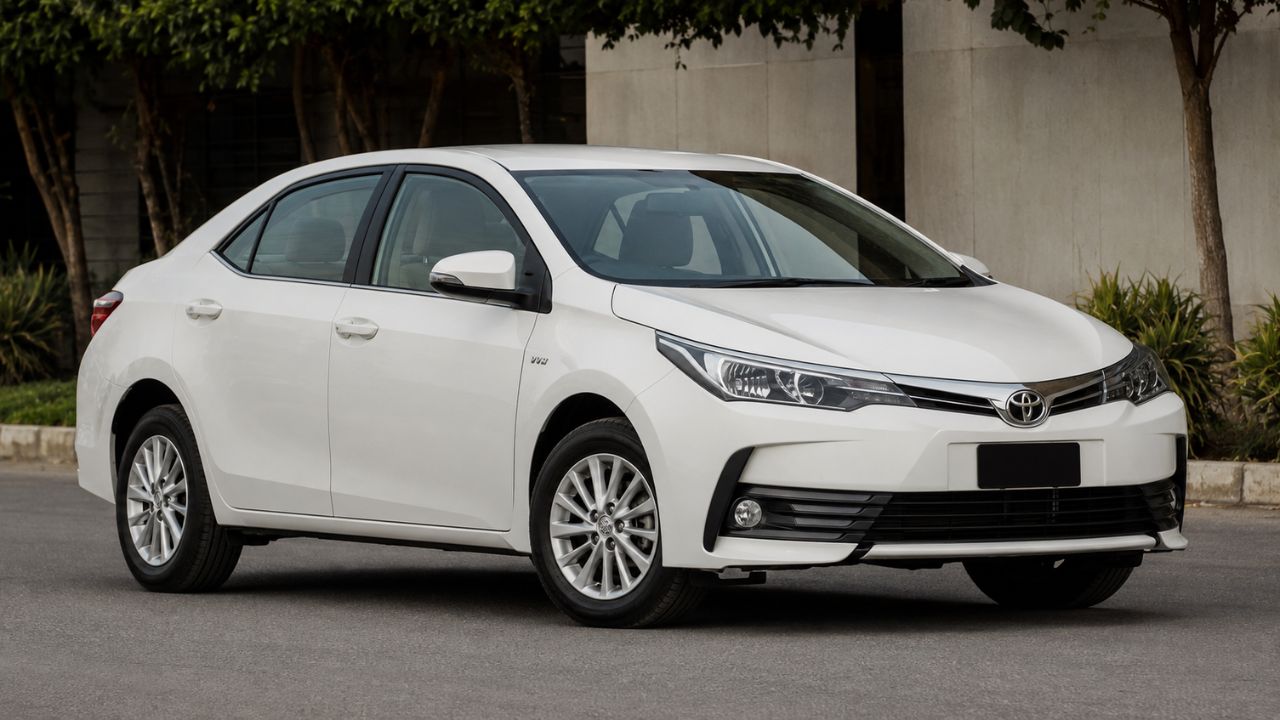


This model resolves the impasse by offering part of the electric gain without requiring the driver to change habits. The car recharges its own battery while driving and refuels at the usual station, which eliminates range anxiety. It is a bridge between the traditional gasoline car and the electric future, designed for the country’s reality.
Toyota: all models with a flex hybrid version from 2026
The automaker that led the way was Toyota. According to radio Tupi, from 2026 all new passenger models of the brand in Brazil will have at least one hybrid version, with emphasis on the flex configurations that use ethanol and gasoline.
Models like Corolla, Corolla Cross, and Yaris Cross already appear on the list of flex hybrids, and the company is even studying an electrified medium pickup based on the Corolla Cross. Transforming the entire line into electrified is a clear message to the market that the flex hybrid is no longer a niche and has become the core of the brand’s strategy in the country.
How the flex ethanol hybrid works
Technology is simpler than it seems. According to Rádio Tupi, the system combines a combustion engine with an electric set, using electronic control to optimize energy use, recover electricity during braking and reduce consumption and emissions.
In practice, the electric motor takes over in situations where the thermal engine is less efficient, such as starting and stopped traffic. The driver doesn’t need a plug: the battery recharges itself during use. The difference from a pure electric is that here the fuel remains liquid, and in Brazil, this liquid can be renewable ethanol, not a fossil derivative.
Stellantis and the Bio-Hybrid 48V from Goiana
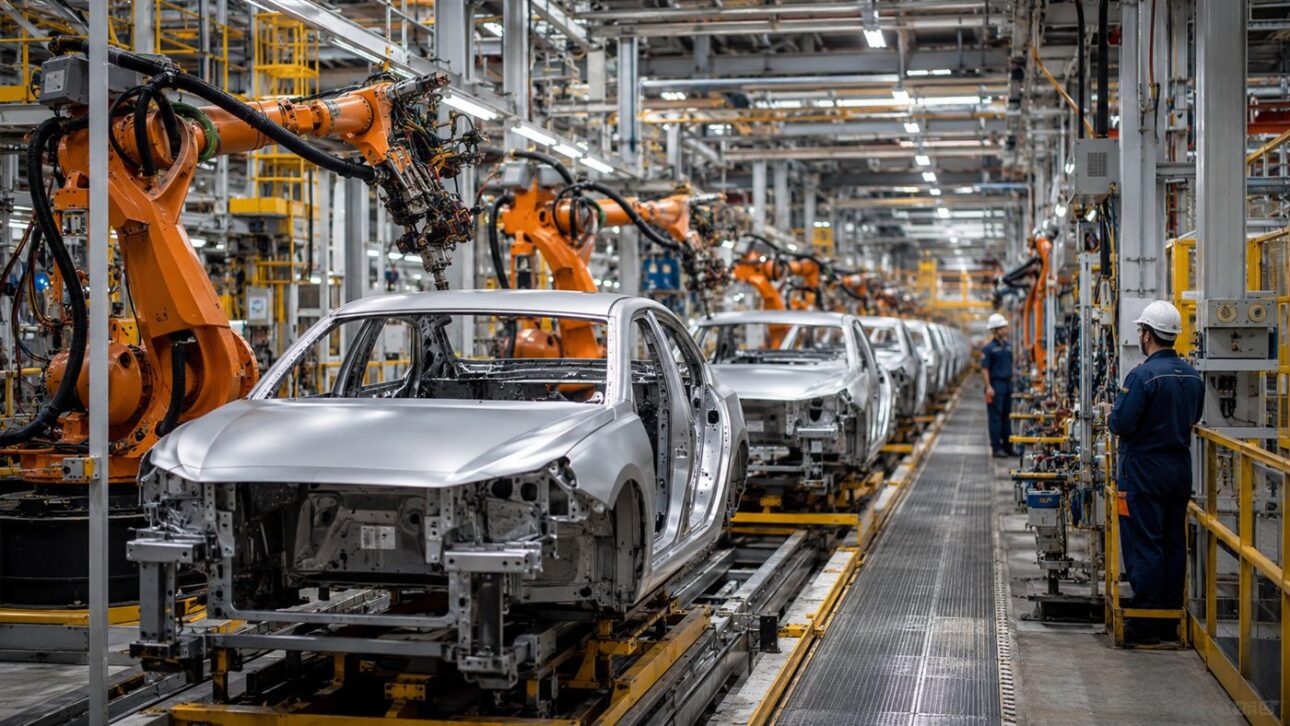
Toyota is not alone. According to the newspaper O Tempo, Stellantis confirmed the first 48V flex mild hybrid with MHEV technology, named Bio-Hybrid, produced at the Goiana Automotive Hub in Pernambuco, still in the first half of 2026.
The system replaces the alternator and starter motor with a multifunctional electric machine, which injects extra torque into the thermal engine and recharges a 48-volt lithium-ion battery. The result is more response at startup and less consumption in heavy traffic, with electronic management switching modes on its own. It’s the same light electrification logic already running in Europe, adapted to Brazilian fuel.
R$ 32 billion and 16 launches in 2026
The numbers show the size of the bet. Also according to O Tempo, Stellantis is preparing 16 launches and updates for Brazil in 2026, six of which are equipped with Bio-Hybrid technology and four produced directly in Goiana.
The effort is supported by an investment of R$ 32 billion allocated to South American operations. The company also reported that in 2025, it sold more than 24.9 thousand vehicles with a previous version of light electrification, of 12 volts, in the region. When two of the largest automakers in the country bet on the same path, the flex hybrid ceases to be a trend and becomes an industrial plan.
Why ethanol changes the emissions equation
The trump card of the Brazilian model is in the fuel. Ethanol is produced from sugarcane, which absorbs carbon from the atmosphere while it grows, offsetting much of what is emitted during burning. Therefore, a hybrid fueled with ethanol can have a much better carbon balance than a fossil fuel car.
This is the central argument of automakers to bet on flex instead of jumping straight to electric. An electric car is only as clean as the energy that charges it, and in countries where electricity comes from dirty sources, the advantage disappears. In Brazil, combining an electric motor with sugarcane ethanol creates one of the cleanest possible combinations today, without relying on a revolution in recharging infrastructure.
The recharging bottleneck that flex bypasses
Infrastructure is the Achilles’ heel of the electric car in Brazil. Outside major centers, finding a charging point is still difficult, and charging the battery takes time, which deters the average consumer. The flex hybrid bypasses this problem because it never needs to be plugged in.
It is this practicality that makes the technology viable on a national scale now, not ten years from now. The driver in the countryside, far from any charging station, can drive with some of the benefits of electrification using only the ethanol from the local gas station. For a country of continental dimensions, this independence from the electric grid weighs heavily in the balance.
A third way that could become an export
The movement of automakers places Brazil in a rare position on the global board. While Europe, China, and the United States compete for the 100% electric car, the country is building its own alternative, anchored in an ethanol industry that already exists and works. Flex electrified vehicles may, in the future, become an export product for similar markets.
The question remains whether this third way will withstand the global advance of pure electric or if it is just a transitional phase. Would you trade your combustion car for a flex hybrid that recharges itself and runs on gas station ethanol, never needing a plug?