Portuguese
  Spanish



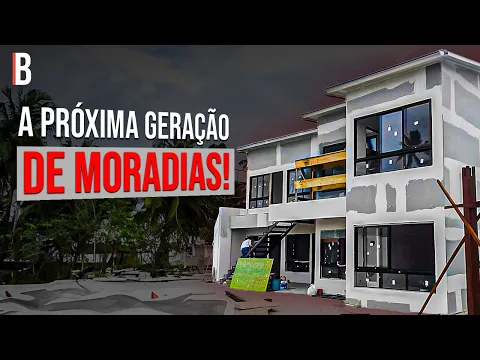
If You Think Twice Before Facing The Renovation Of Your Home, Know That Engineering Advancements Have Something To Offer. Gone Are The Days Of Heavy Demolition And Debris Accumulation.
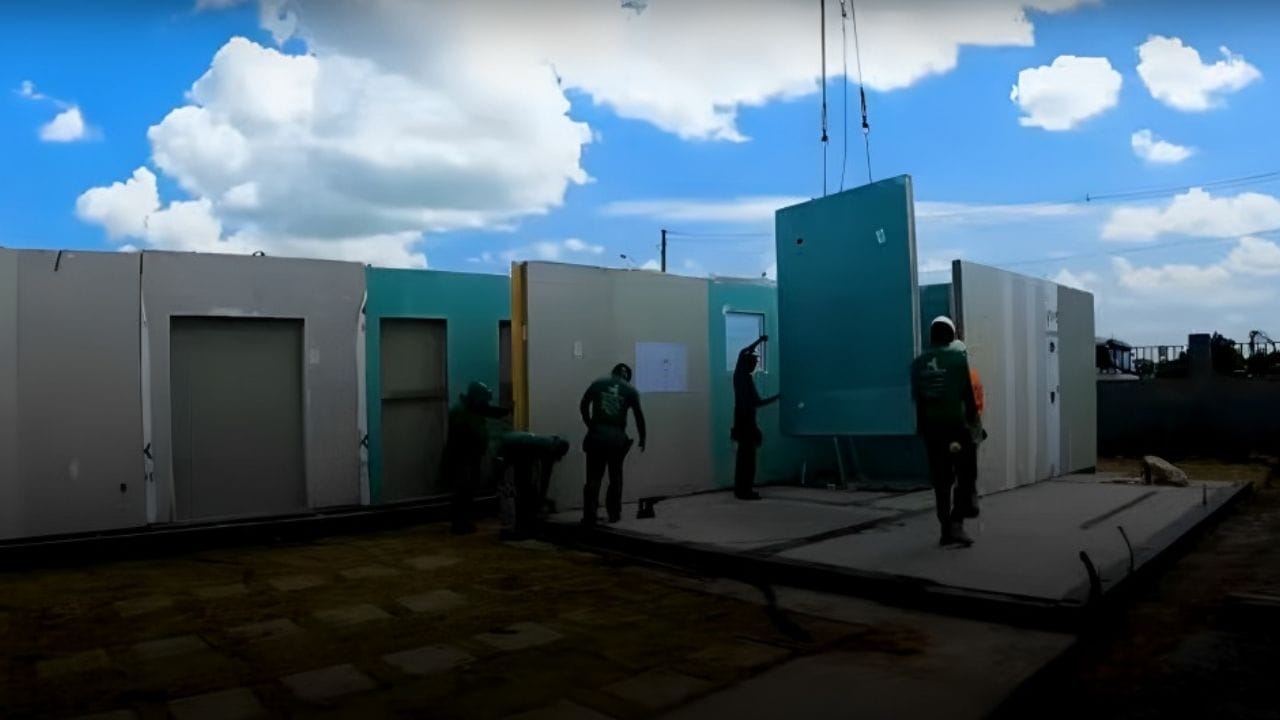
The drywall, or plasterboard, has established itself as a method of dry construction, simplifying and accelerating the construction process.
Data indicates a considerable growth in the production of drywall systems in Brazil. According to research, between 2017 and 2021, there was a 66.5% increase in steel frame production and a 31.4% increase in drywall production. The reason? Companies have been betting on this method for its practicality and efficiency, factors that directly impact profits.
The Efficiency Behind The Technique
In contrast to traditional methods, which often generate up to 30% waste, drywall reduces this figure to only 5%. This not only optimizes resources but also adheres to the sustainability guidelines that have shaped modern engineering. According to a report from Jornal Hoje, the method may also address the housing deficit that Brazil is facing.
-
28-meter, 156-ton titans traveled 20,000 km from China to the port of Santa Catarina: Portonave received 7 fully electric megacranes, part of a R$ 210 million package, to double container handling.

-
They exchanged the idea of a large house for a 35 m² warehouse, spent US$ 12,000 on the structure, and created a tiny house in Colorado with space to live and work.

-
A newly opened terminal in the middle of the Amazon has begun transporting soy and corn through Amapá, eyeing the queue of ships that is congesting the ports in the South.

-
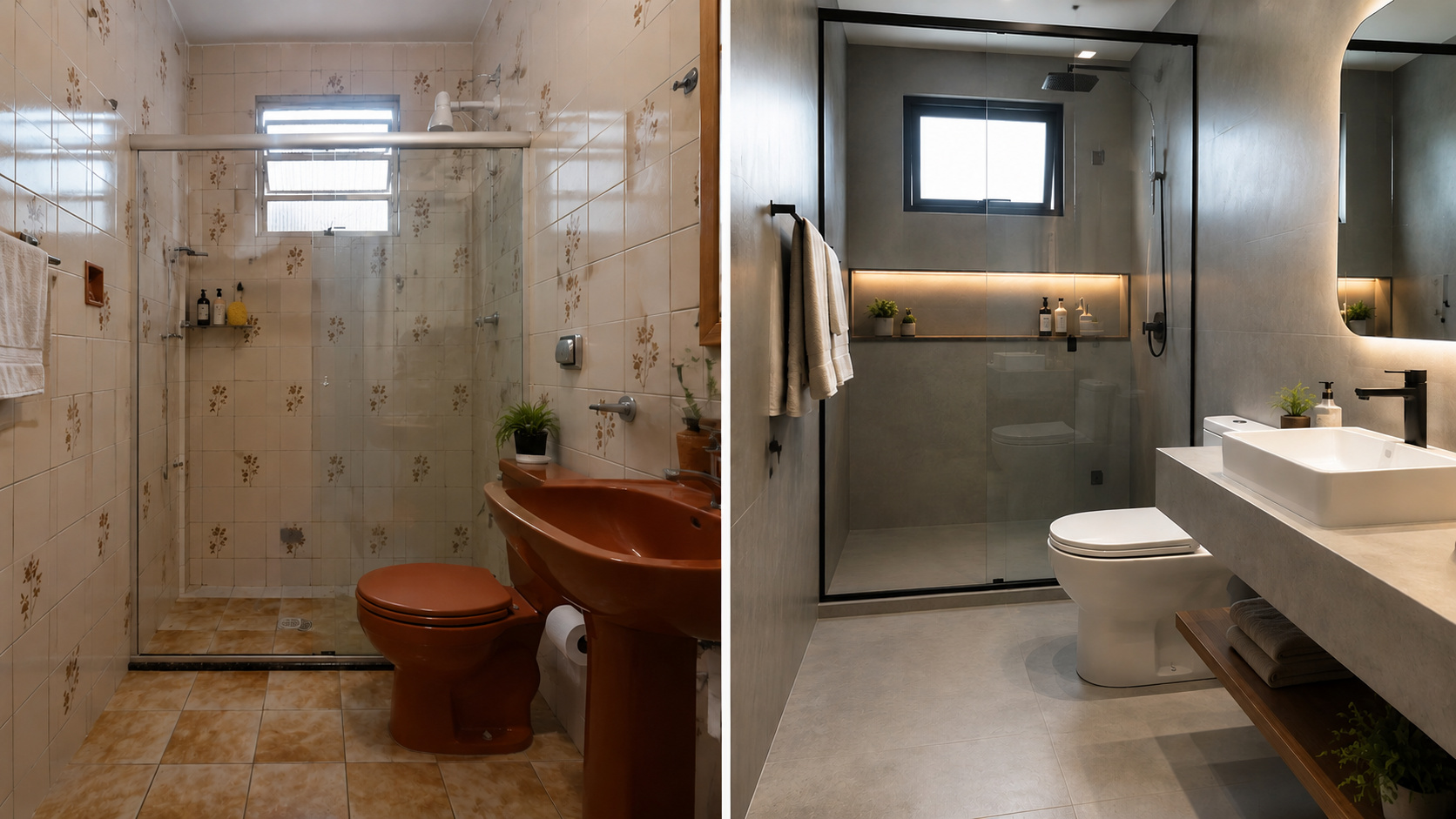
Goodbye to old tiles: renovation technique without construction transforms bathrooms in a few hours, eliminates debris, and reduces costs with coverings using special paints, high-resistance adhesives, and modern finishes that completely renew the space.


Drywall Around The World
This engineering method is not just a Brazilian trend. In the United States, for example, it emerged as a solution after major fires in Chicago and New York at the end of the 19th century, revolutionizing the way structures are built and offering a safer and more efficient alternative.
The history of drywall dates back to a tragedy. Major fires in the United States highlighted the need for safer alternatives. Thus, drywall was born, an invention attributed to American chemist Augustine Sackett, who coated gypsum with cardboard, forming a fire-resistant material that is easy to install.
Drywall In Brazil: A Success Story
The drywall arrived in Brazil in 1970 with the foundation of Gypson do Nordeste, in Petrolina, Pernambuco. Currently, with various factories and suppliers, national production exceeds 5 million square meters annually. The method has been widely used in various constructions, from hospitals to residences, establishing itself as a revolution in civil engineering.
The drywall is more than just a trend in civil engineering: it is a reality that is here to stay. With benefits ranging from production efficiency to sustainability, this technique promises to be the key to a more practical and conscious future in Brazilian civil construction.
This is the transformative power of engineering, demonstrating that innovation is the way to effectively and responsibly solve old problems.
Sources consulted: Jornal Hoje, Brazilian Association of Drywall