






 Portuguese
  Spanish
  2 min of reading
  0 comments


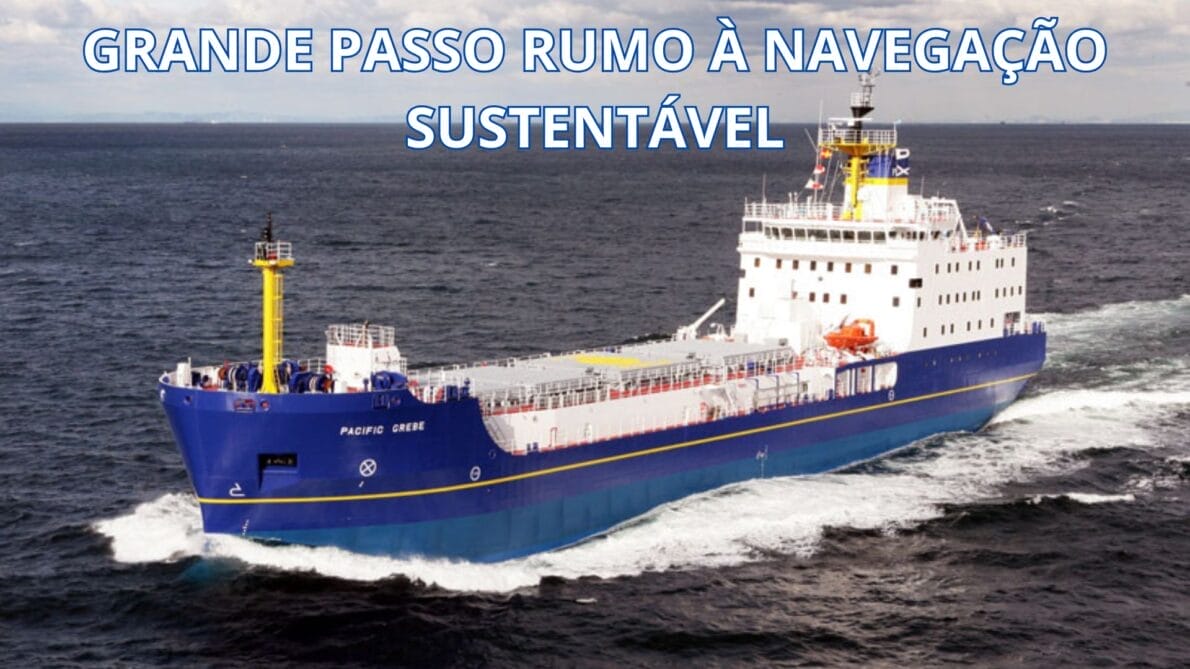
United Kingdom Launches Project to Reduce Emissions in Nuclear Transport
Recently, the United Kingdom took an important step in reducing carbon emissions by starting tests of the Pacific Grebe, a ship from Nuclear Transport Solutions (NTS) designed to transport nuclear materials. Equipped with the innovative sail FastRig, this ship aims to cut fuel consumption and thus contribute to sustainable nuclear transport. In doing so, the United Kingdom demonstrates its leadership in developing environmentally friendly maritime practices.
FastRig: The Sustainable Sail
To tackle the climate crisis, NTS and Smart Green Shipping (SGS) developed the FastRig, a lightweight and flexible wing sail adaptable to different weather conditions. This wind power system allows the ship to reduce dependence on fossil fuels, reducing CO₂ emissions by up to 30%. Thus, the FastRig represents a solution that is not only sustainable but also extremely safe for transporting nuclear cargo.
Innovation and Commitment to Sustainability
The installation of the FastRig on the Pacific Grebe reflects NTS’s commitment to sustainability. Seth Kybird, CEO of NTS, stated that the technology reinforces safety standards while prioritizing the reduction of environmental impacts. In this way, the United Kingdom reaffirms its pioneering position in the naval sector, promoting eco-friendly practices that balance innovation and responsibility.
-
North Korean Fiasco: Launch of the Largest Warship Ends in Sinking

-
While giant ships still burn heavy fuel and the maritime sector races against climate targets, Maersk and Vale are starting to bet on ethanol as a new route to reduce emissions at sea.

-
China begins construction of the world’s largest LNG ship, a 344-meter giant capable of supplying 4.7 million homes for a month, carrying 271,000 m³ of gas, and placing QatarEnergy in the largest naval order ever recorded in world history.
-
China is designing a container ship with a thorium nuclear reactor that will operate for 40 years without refueling, and the 25,000-container giant from Jiangnan Shipyard will cross oceans without emitting carbon in an industry that burns 300 million tons of fuel per year.



Testing and Impacts on the Naval Industry
As part of the Winds of Change program, the FastRig is now undergoing tests to confirm its effectiveness. According to Pete Buchan, Director of NTS, the success of this project, funded by the UK Department of Transport, could inspire the naval sector to adopt greener practices. This undoubtedly places the country at the global forefront of sustainability.
A Sustainable Future for Nuclear Transport
With over 2,000 safe nuclear journeys, Pacific Nuclear Transport Ltd (PNTL) is betting on the FastRig to enhance its efficiency. These tests on the Pacific Grebe provide a solid foundation for other vessels to adopt sustainable technologies. Thus, nuclear transport can become an example of efficiency and environmental protection.
A New Era for Sustainable Maritime Transport
The use of the FastRig on the Pacific Grebe marks a crucial advancement towards safer and greener nuclear maritime transport. This project by NTS and SGS, if successful, could serve as a model for other industries, demonstrating the United Kingdom’s commitment to environmental innovation.







Be the first to react!