






 Portuguese
  Spanish
  3 min of reading
  0 comments


TikTok, One of the Most Popular Social Media Platforms in the World, Is Being Used by Americans to Fund Health Treatments
The TikTok, which took the world by storm with its short and viral videos, is becoming an unexpected tool for funding medical expenses in the United States. American content creators with small to medium follower counts have been using the Creator Rewards Program to monetize views and comments, seeking to pay off debts and fund health treatments.
One noteworthy example was a mother posting on the platform to raise funds for the treatment of Elijah, her son with a serious health issue.
In a video with over 3 million views, the caption appeals: “You stay and watch this video for 5 seconds to help pay your medical bills.”
-
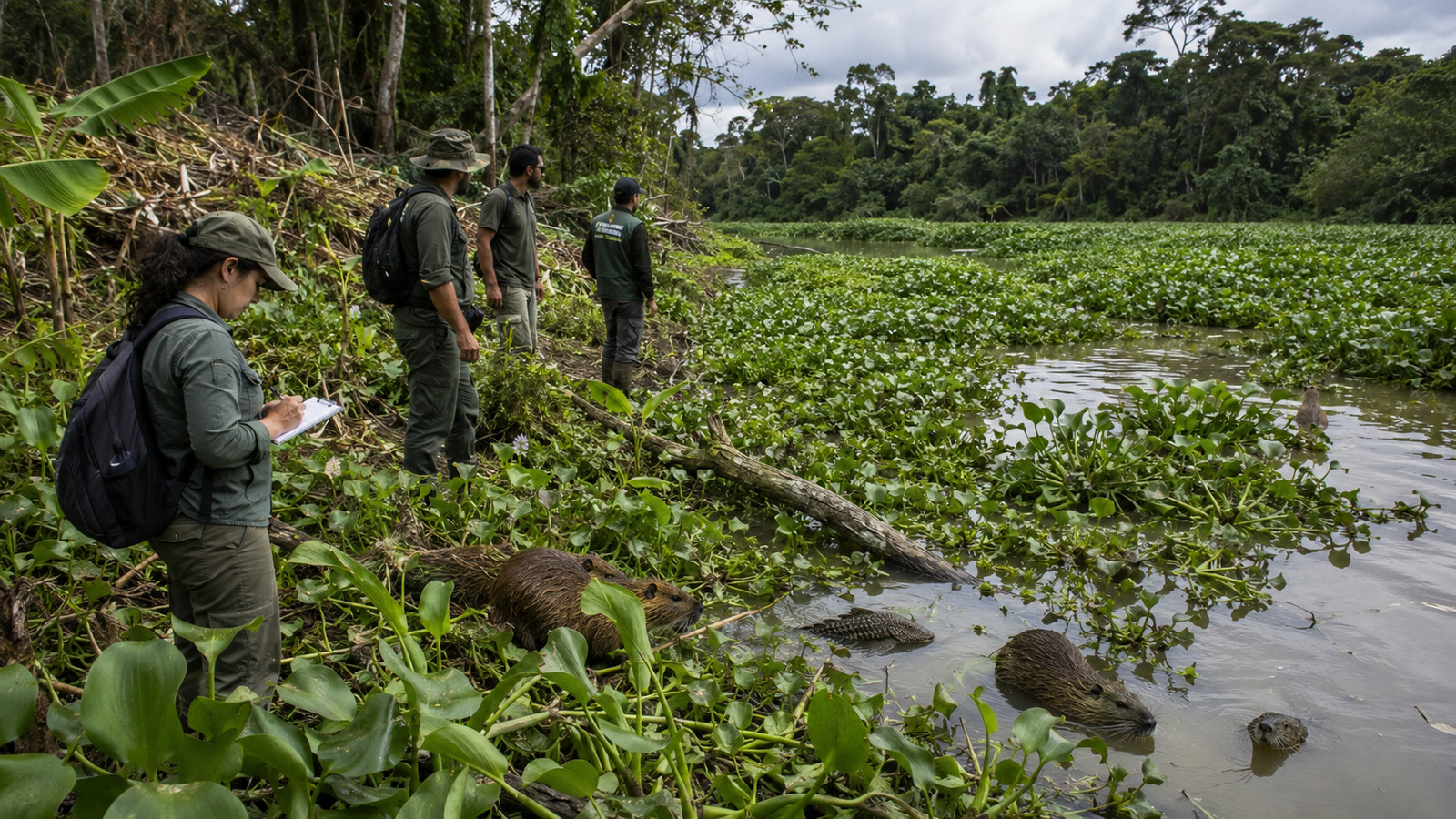
Silent invasion in the Amazon raises alarm: 82 exotic animals and 59 plants threaten native species, crops, and the forest’s balance, while authorities rush to prevent something worse caused by invasive species.

-
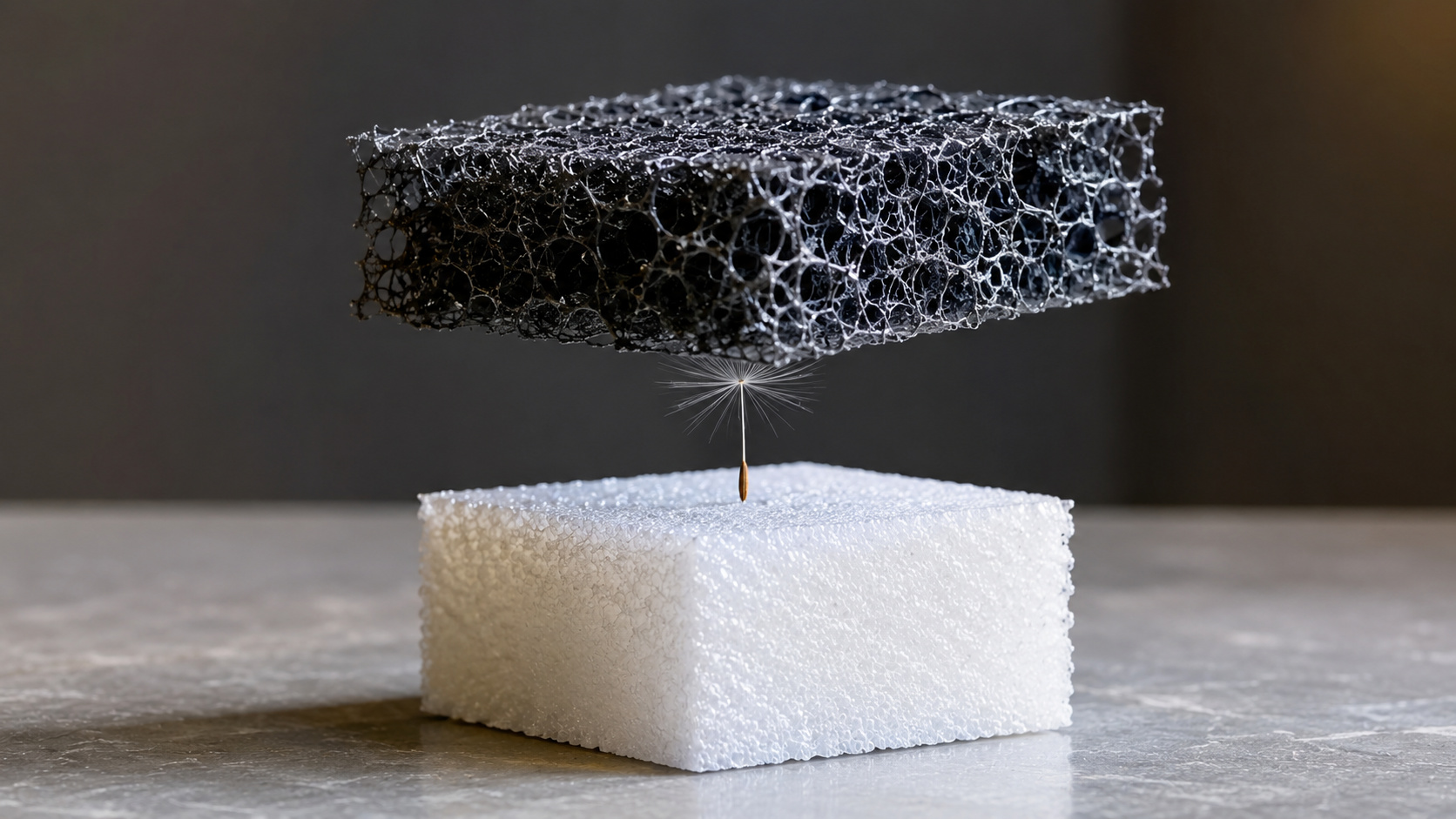
Scientists have created a material six times lighter than air, 75 times lighter than styrofoam, and that becomes stronger the more it is compressed: aerographite seems impossible, but it can reinforce structures, batteries, and satellites.

-
USA prepares a 408 kg time capsule with synthetic DNA, national treasures, and a secret message to reveal to Americans in 2276 what it was like to live in the country in 2026.
-
At just 15 years old, prodigy Laurent Simons completed a PhD in quantum physics, masters equations used by NASA, solves advanced problems, and redefines the limits of human intelligence.



Americans Love TikTok
This trend is not isolated. Creators with more than 10,000 followers and at least 100,000 views in the last 30 days qualify for the platform’s rewards program.
TikTok pays, on average, about US$ 1 for every 1,000 views on videos longer than one minute. Thus, viewers can contribute just by watching, liking, or commenting, without the need for direct donations.
For many families, this monetization represents a chance to tackle exorbitant medical expenses.
Another mother, in a video with her baby, asks viewers to watch for five seconds to help pay the medical bills. In the comments, a user shared: “Not me here, just letting this video play several times.”
According to studies, more than 14 million Americans have at least US$ 1,000 in medical debt. The total amount of this debt reaches a staggering US$ 220 billion, with states like South Dakota, Mississippi, and North Carolina leading in burdens.
End of the App in the United States?
An appeals court in the United States confirmed on Friday (06) the validity of a law requiring ByteDance, TikTok’s parent company, to sell the platform by January 2025.
Otherwise, the popular video app may be banned from the country, marking a significant setback for the Chinese company.
The legislation, signed by President Joe Biden, mandates that TikTok must be divested by January 19, 2025, just one day before the possible inauguration of Donald Trump as president.
The measure reflects national security concerns raised by suspicions that the app could allow access to sensitive data by the Chinese government.
In a unanimous decision, the U.S. Court of Appeals for the District of Columbia declared that the law is constitutional. The court rejected TikTok’s claim that the legislation would violate the First Amendment, which protects freedom of speech.
“The government acted solely to protect this freedom from a foreign adversary nation and to limit that adversary’s ability to collect data on people in the United States,” the panel of judges stated in the decision.
The law has strong bipartisan support in the American Congress.




Be the first to react!