






 Portuguese
  Spanish
  2 min of reading
  0 comments


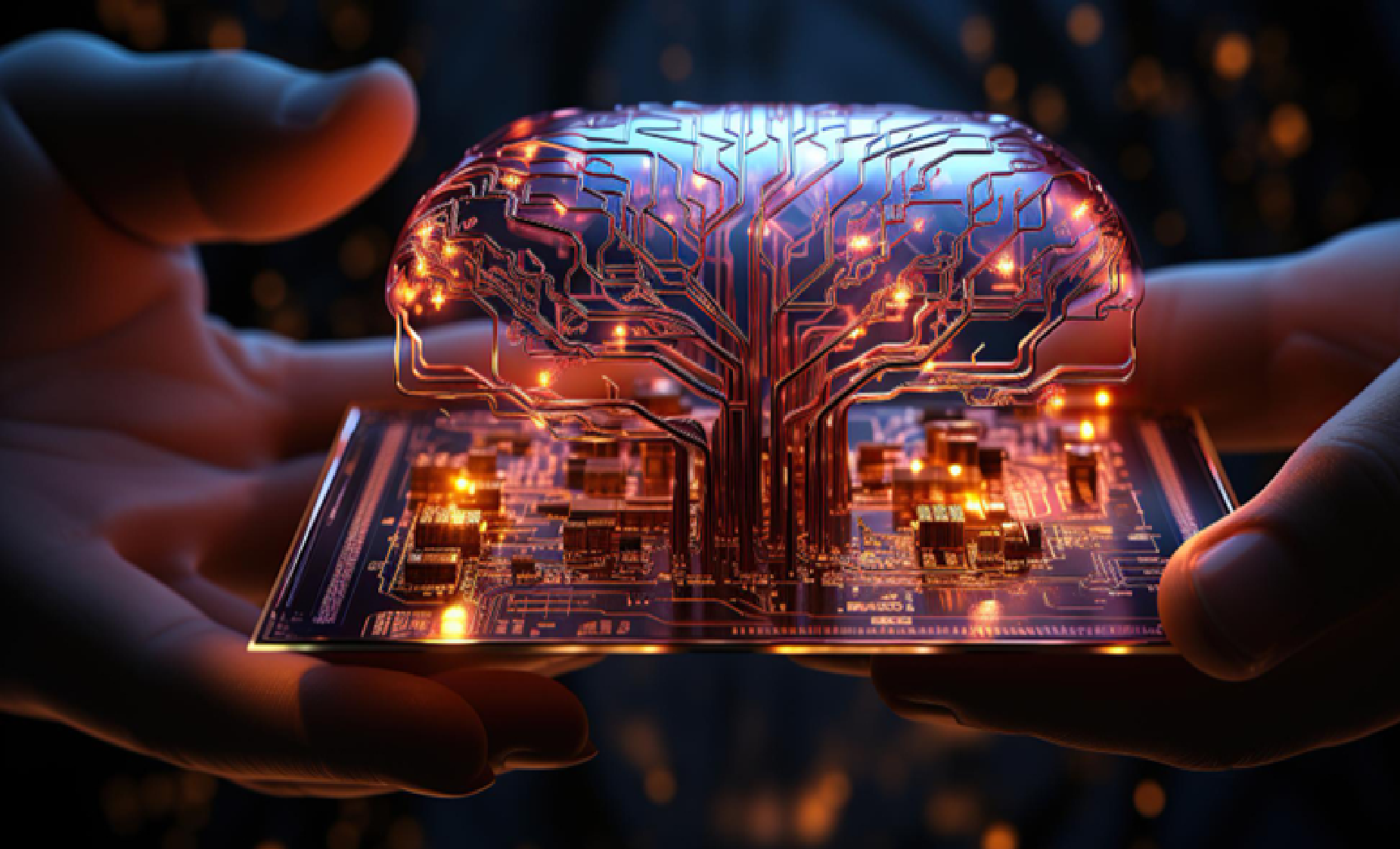
IBM and Google Reveal Challenges and Promises of Quantum Computing During SXSW Event. Technology May Be Accessible Soon!
While big techs compete in the race for Artificial Intelligence, another field of innovation is rapidly advancing: quantum computing. During SXSW, IBM’s CEO, Arvind Krishna, revealed that this revolutionary technology will hit the market by the end of the decade, according to Meio e Mensagem.
But after all, what is quantum computing? According to Krishna, it is a system that, unlike traditional deterministic computing, is probabilistic – allowing impossible calculations for current computers. This paves the way for scientific discoveries and unprecedented advancements!
IBM and Google at the Forefront of Quantum Computing
IBM and Google are at the forefront of technology development, each with its own strategies and advancements:
-
Helicopter Drops 180 Tons of Sand and Gravel on Swedish River to Revive Ecosystem Damaged by Decades of Exploitation

-
Brazilian Company Launches Retro Smartphone with 48 MP Camera, T9 Keyboard, and Privacy Features for Social Media-Free Use

-
Self-Taught Chinese Farmer Builds 5-Ton Submarine from Scrap, Launches It in Anhui River
-
Invisible Induction Technology Enables Wireless Power for Blenders, Coffee Makers, and Air Fryers, Reducing Countertop Cables





Google: launched Willow, a quantum processor with 105 qubits, essential for developing the technology and integrating it with artificial intelligence.
IBM: invests in quantum acceleration, cloud platforms, and open-source tools, enabling the simulation and execution of quantum algorithms.
Both believe that quantum computing will be complementary to traditional computing, bringing solutions to areas such as chemistry, biology, energy, and even curing diseases.
The Impact of Quantum Computing on the Future
To understand the power of this technology, Krishna gave an intriguing example:
“We know that caffeine gives us energy, but we don’t know exactly why. AI can show us the molecular structure of caffeine, but quantum computing can reveal how its electrons interact, taking our knowledge to a subatomic level.”


Google Quantum AI COO Charina Chou emphasizes that quantum computing can help solve climate challenges, improve energy efficiency, and potentially contribute to the development of a cancer cure.
Billion-Dollar Investments and Necessary Infrastructure
The advancement of quantum computing requires heavy investments and cutting-edge infrastructure;
- 100 million qubits: this is the goal for the technology to be solely applicable.
- Extreme conditions: qubits need to operate in ultra-cold and isolated environments, away from external interferences.
- Global infrastructure: IBM is launching a quantum algorithms center in Illinois, with an investment of US$ 200 million to solidify the U.S. as a reference in the sector.
- Government support: Charina Chou warns that the U.S. needs to maintain public investments, as China rapidly advances in quantum computing. She compares the current race to the Human Genome Project and the moon exploration – both only became possible thanks to large government investments.




Be the first to react!