






 Portuguese
  Spanish
  3 min of reading
  0 comments


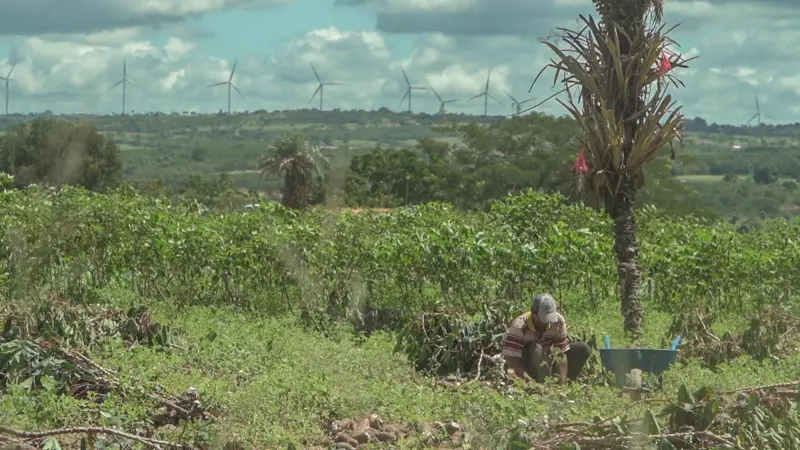
Farmers, Quilombolas, and Indigenous People Denounce Social and Environmental Impacts Caused by Wind Farms and Demand Laws for a Just Energy Transition.
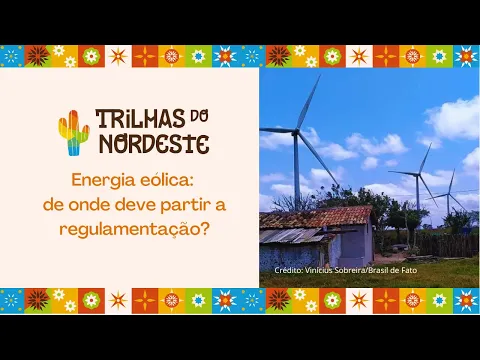
Rural communities, quilombolas, and indigenous people in the Northeast are intensifying their mobilization against the unregulated operation of wind farms in their territories. Although wind energy is among the sources considered clean and renewable, residents of the affected areas alert to social, environmental, and productive impacts.
The absence of specific federal legislation regulating the installation of wind turbines in traditional communities exacerbates conflicts. Furthermore, companies have been advancing rapidly, often without prior consultation or detailed studies on local effects.
Residents report that wind turbines were installed very close to homes, pasture areas, and crops.
-
Brazilian scientists are simultaneously advancing two research projects on clean hydrogen and driving solutions that could transform the energy matrix, enhance industrial competitiveness, and accelerate large-scale emission reduction targets.

-
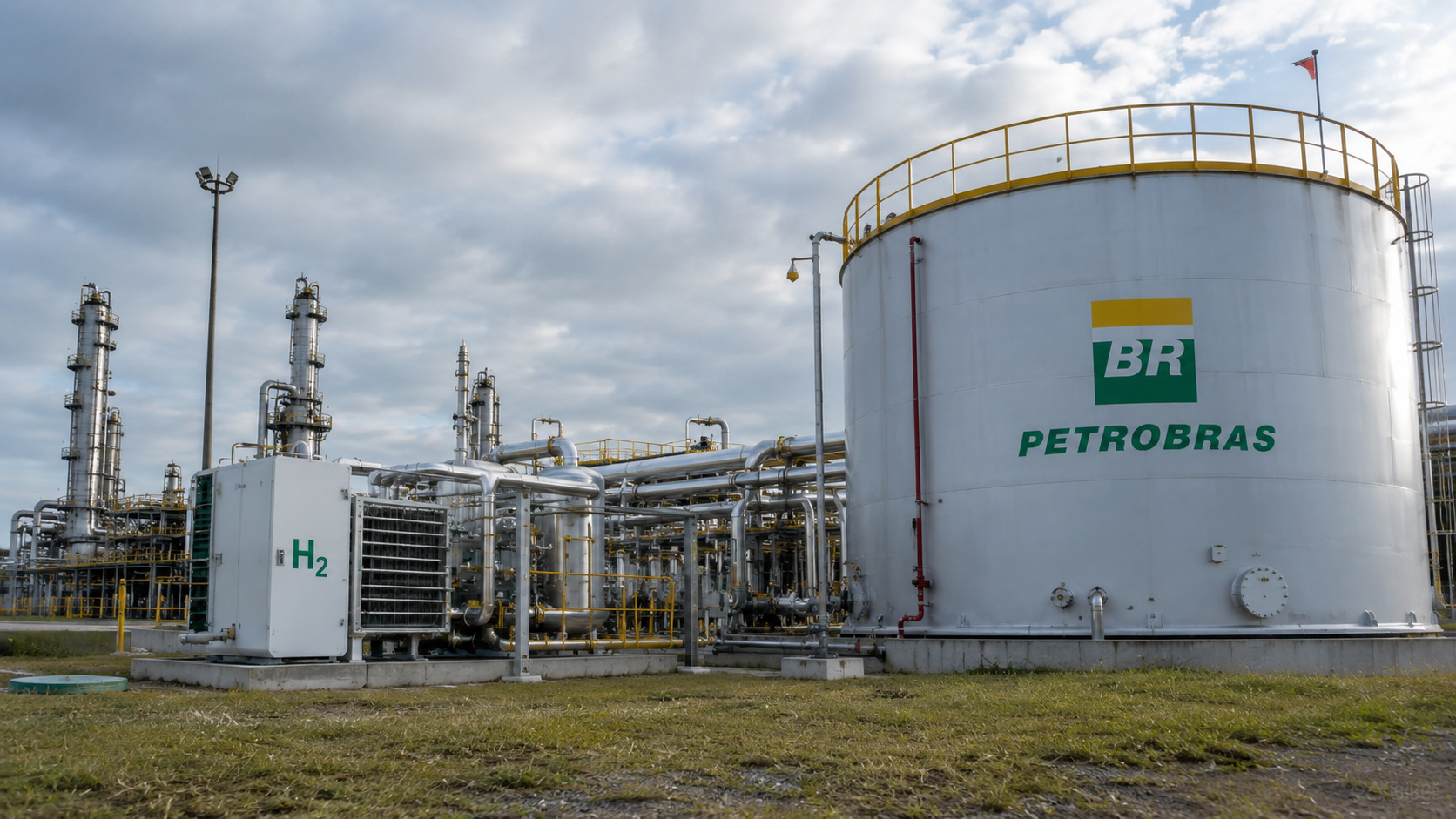
Advancement in renewable energy: A R$ 150 million project launched by Petrobras and Finep aims to create state-of-the-art electrolyzers for green hydrogen, strengthening national research and preparing Brazil to compete in a billion-dollar energy market.
-
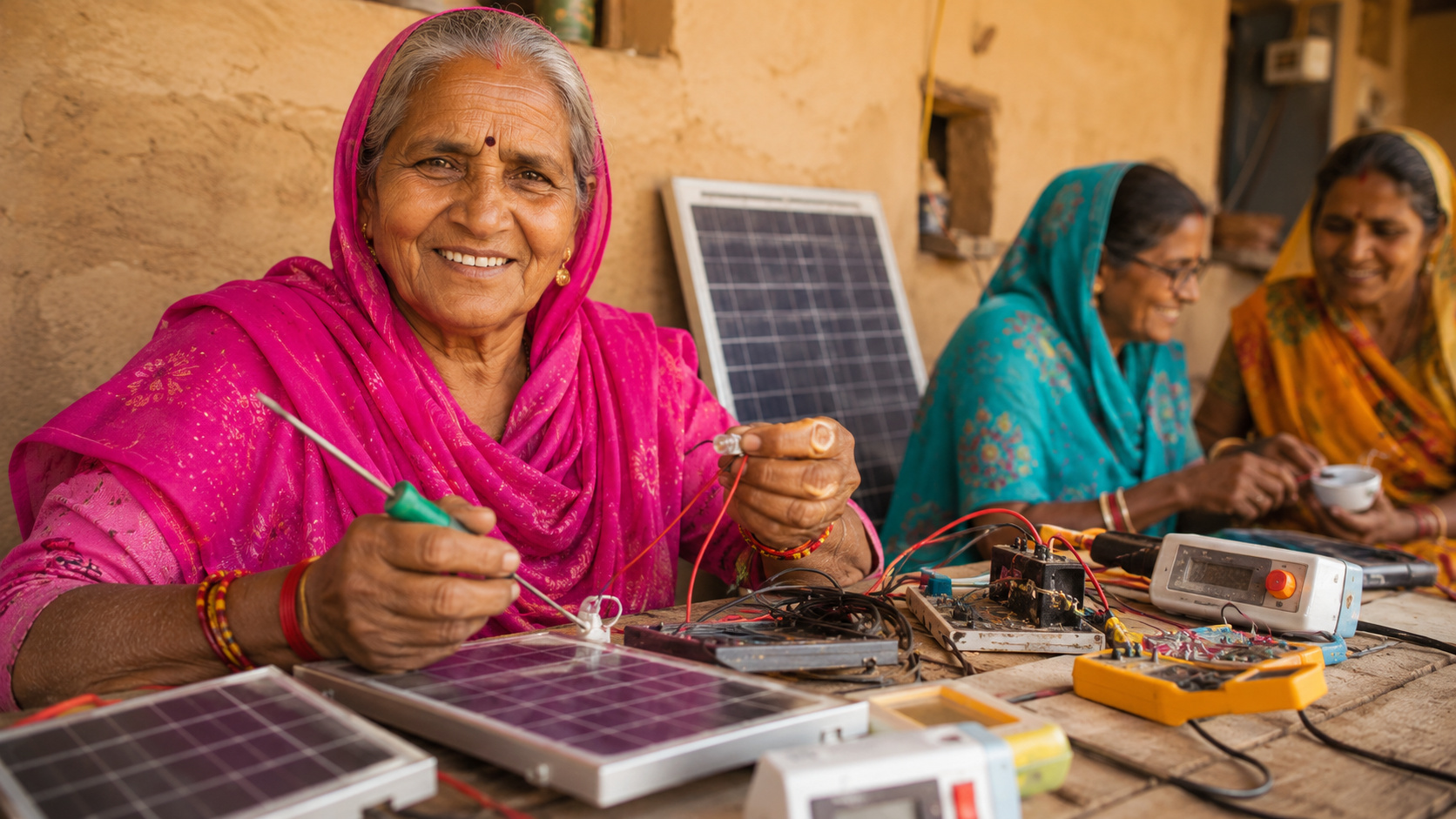
Illiterate or semi-literate grandmothers were trained to repair solar systems, open rural workshops, and light up homes that still depended on kerosene.
-
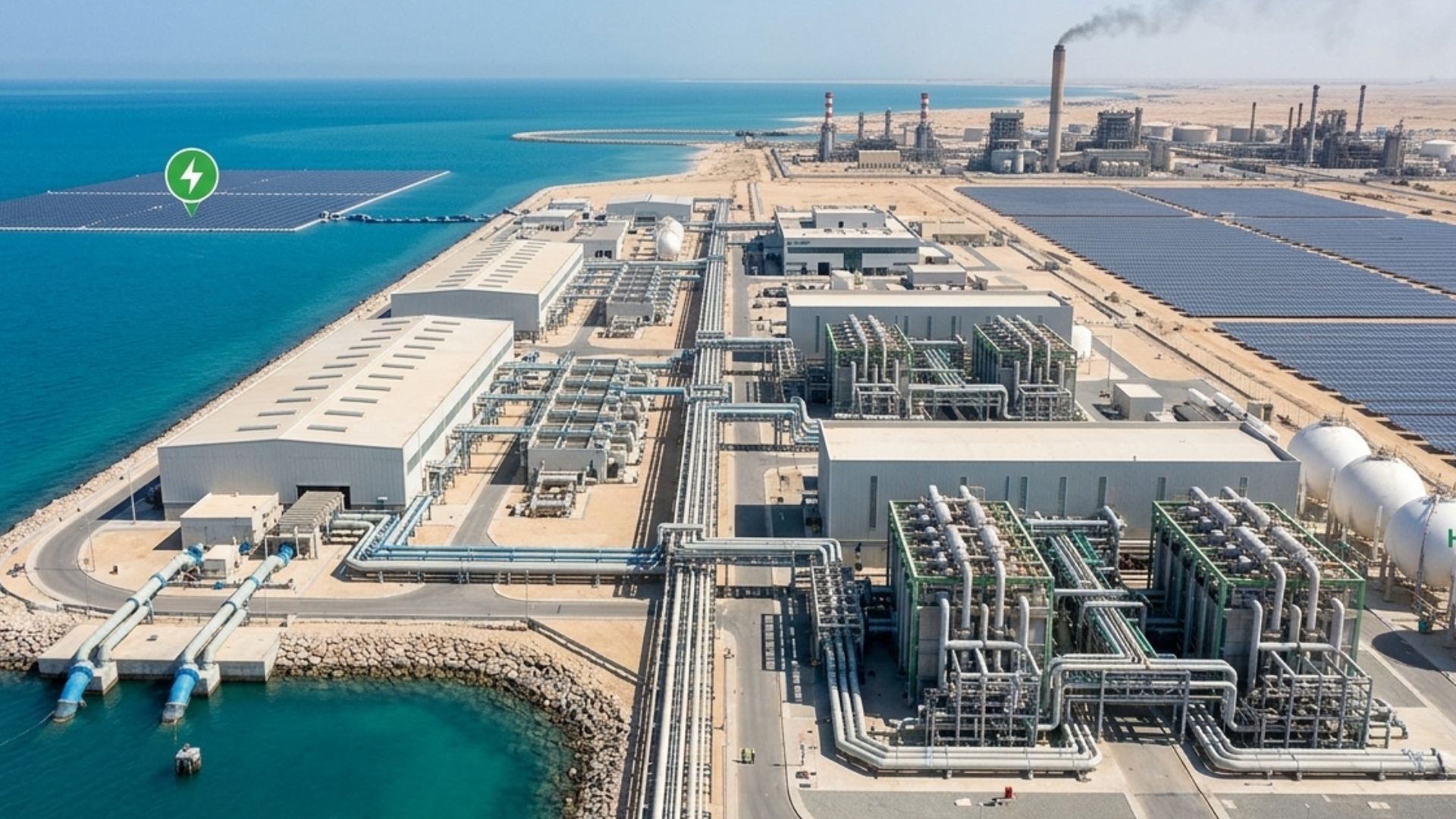
The world has bet on green hydrogen as the fuel of the future, but now faces the side effect: producing 1 kilogram requires about 9 liters of ultrapure water, and the largest projects on the planet are precisely in the driest regions of the Earth, where water is already scarce for people.


This results in constant noise, ground vibrations, and changes in animal behavior. The noise from the turbines interferes with sleep and the emotional well-being of families, compromising mental and physical health.
Effects of Wind Farms on Agriculture and Daily Life in Communities
Rural producers who depend on agriculture and livestock observe significant drops in productivity, directly linked to changes in the environment.
Another critical point involves lease contracts. Many landowners signed documents with symbolic values and without legal guidance.
As a result, the feeling of injustice is growing. Community leaders have begun to demand not only compensation but also the immediate disconnection of wind turbines operating against the interests of the communities.
According to the website Brasil de Fato, published on March 23, 2025, social organizations and farmers have been increasing this pressure since the beginning of 2024, when the first impacts began to be publicly reported.
Since then, entities have been documenting cases and organizing actions in various regions of the northeastern semi-arid region.
Lack of Regulation Favors Conflicts and Harms Rights
This legal vacuum allows companies to obtain rapid approvals, even in regions that require more social and environmental care.
For this reason, entities such as the Movement of People Affected by Dams (MAB) and the Articulation of the Semi-Arid (ASA) propose an energy transition with public participation and legal guarantees.
The objective is not to halt the growth of renewable energies but to ensure that this advancement does not reproduce historical inequalities.
Although wind energy does not emit pollutants during generation, the social impacts show that it is not socially neutral.
For the energy transition to work fairly, it is essential to respect the territories, cultures, and autonomy of traditional peoples.
Energy Transition Must Include Traditional Peoples
Experts in climate justice emphasize that the advancement of wind farms must occur alongside prior, free, and informed consultations, as provided for in ILO Convention 169, ratified by Brazil.
Without this participatory process, the risks of litigation and conflicts increase. Therefore, regulation should serve as a tool for balance and social protection.
Researchers and organizations propose that licensing processes involve communities from the outset, promoting shared governance.
In addition, they suggest the adoption of distributed generation models, in which communities themselves operate clean energy systems, with technical support and public financing.
According to the website Brasil de Fato, the first public debates on regulation took place during hearings in Congress between October and December 2024, but did not result in legislative progress until March 2025.

Paths to a Just and Sustainable Model in Brazil
Based on these experiences, Brazil can lead a truly just energy transition. However, this requires transparency, political will, and commitment to equity.
Regulation can ensure an active voice for communities in decision-making processes and prevent abuses. Thus, projects can respect local ways of life and share their benefits.
In this way, the country will not only have turbines generating clean energy but also populations that are respected and integrated into the construction of the future.
The Northeast rightly demands not only clean energy — but also dignity, social justice, and participation.







Be the first to react!