






 Portuguese
  Spanish
  3 min of reading
  1 comment


Toyota Tundra, 4Runner, GR Yaris and C-HR+ Are Not Yet Sold in Brazil, but They Could Shake Up the Market. Discover Details of Power, Technology, and Range of These Models from the Brand.
Toyota has been expanding its global strategies and could surprise the Brazilian market in the coming years with outstanding models. The expectation revolves around the Toyota Tundra 2026, a pickup that would compete directly with the RAM 1500 and the Ford F-150, as well as the Toyota 4Runner, the sporty GR Yaris, and the electric SUV Toyota C-HR+.
Registered in Brazil, some of these vehicles still do not have an official launch date, but they represent concrete possibilities to expand the brand’s portfolio in the country.
Toyota Tundra 2026: Power and Luxury in Full-Size Trucks
The Toyota Tundra 2026 already draws attention for its robust and modern design, aligned with the brand’s new global identity.
-
Uber Faces Shareholder Scrutiny as Board Accused of Ignoring Safety, Compliance, and Harassment Warnings Amid Over 3,500 U.S. Lawsuits

-
Ferrari’s First Electric Car Divides Fans, Priced at $630,000, Amid Concerns Over Limited Editions; Brand Clarifies It’s Not Just for Future Perks
-
BYD Dolphin Mini: The Electric Car That Defies Depreciation, Losing Only 3.58% in a Year and Becoming the Best-Selling Retail Model Under $22,000

-
Electric Car JAC E-JS4 Loses $19,000 in Value in One Year, Leading Record Depreciation of Used Cars in Brazil Due to Expensive Battery and New Models


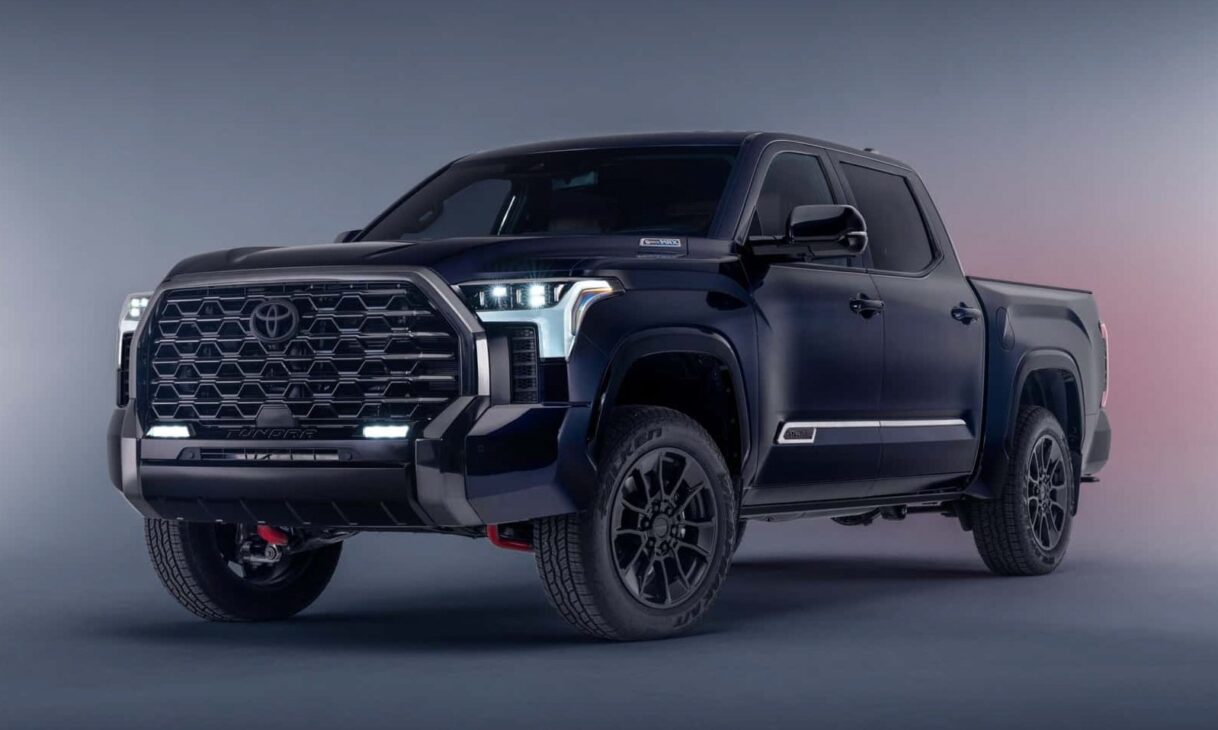
Targeted towards customers seeking sophistication and performance in full-size trucks, it could occupy the same luxury space currently dominated by the RAM 1500 and Ford F-150.
The model offers two engine options:
- V6 Twin-Turbo 3.4 i-Force with 389 hp and 66.1 kgfm of torque.
- Hybrid i-Force Max version, which reaches 437 hp and 80.5 kgfm.
Both are equipped with a 10-speed automatic transmission and 4×4 traction.
For comparison, the RAM 1500 sold in Brazil delivers 425 hp and costs R$ 494,900, which positions the Tundra as a potentially competitive alternative.
Toyota 4Runner: A Robust SUV with an American Touch
Another model that has been registered in Brazil is the Toyota 4Runner, practically an “American” version of the SW4, but with an even larger frame.
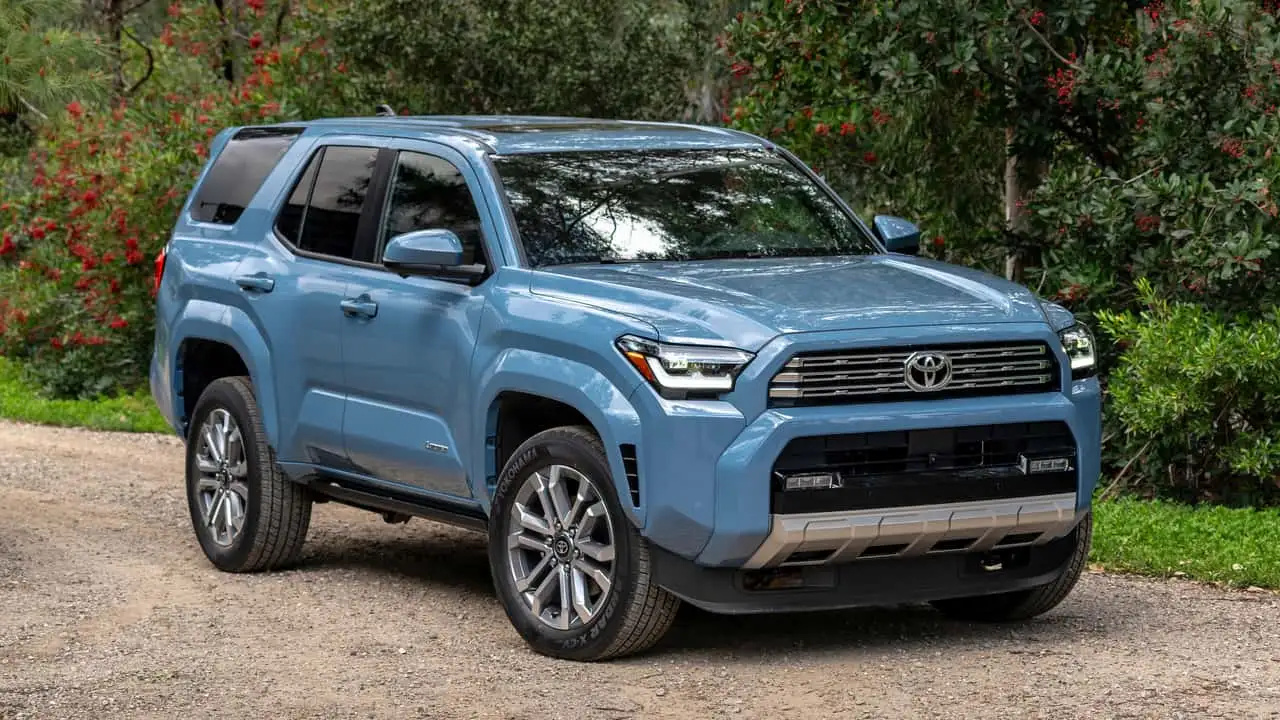
Positioned above the SUV sold here, it would have heavyweight competitors, such as the Ford Everest, which is already sold in Argentina and rumored to arrive in the Brazilian market.
The 4Runner stands out for its more technological interior compared to what we are used to in the brand’s SUVs in Brazil.
Among the highlights are a 12.3-inch digital dashboard, a 14-inch floating multimedia center, an elevated center console, and cameras with 360-degree vision.
Although the registration with INPI already exists, Toyota has not formally confirmed its arrival.
Toyota GR Yaris: Sportiness in a Compact Hatchback
The sporty side of the brand could gain momentum with the Toyota GR Yaris, constantly speculated but never confirmed for Brazil.
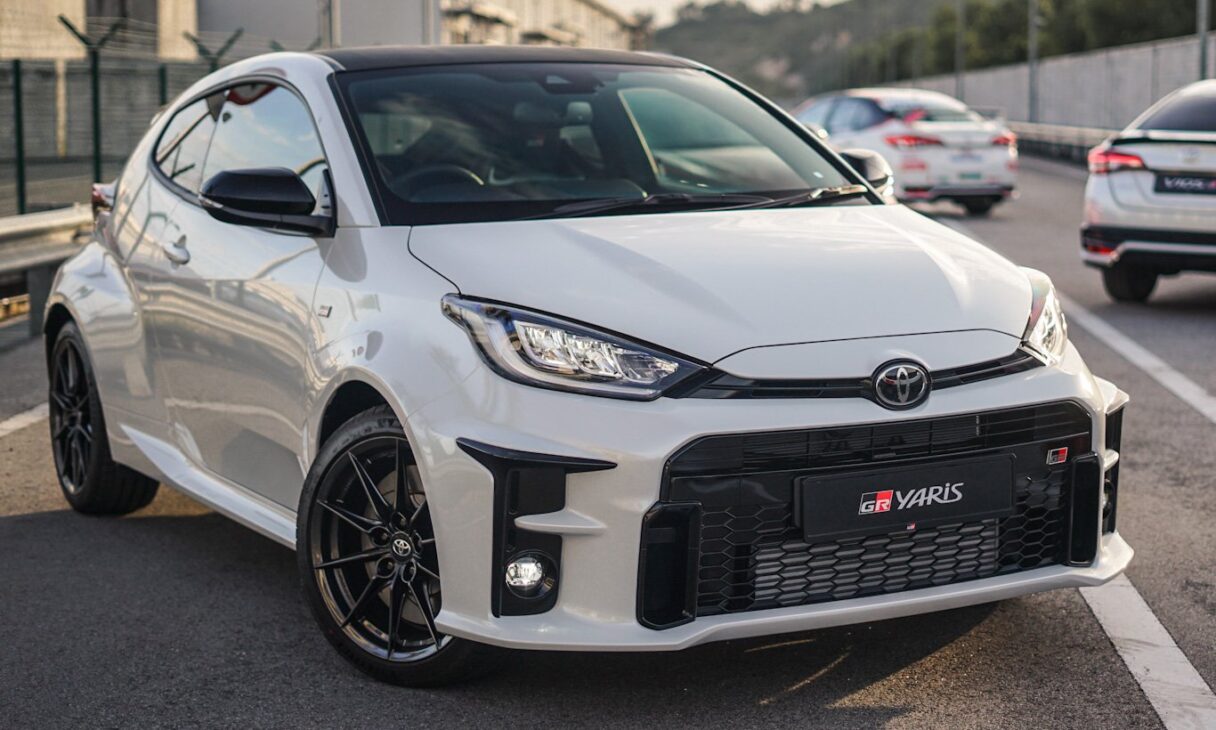
It would present itself as a more affordable option to the already available GR Corolla, which currently starts at R$ 416,990.
The hatch comes with a 1.6 turbo three-cylinder engine, capable of delivering 300 hp and 40.7 kgfm of torque.
This is the same setup used in the sporty Corolla, but with adjusted numbers.
For fans of spirited compact cars, the GR Yaris would be an attractive alternative, competing in an almost unexplored segment of the national market.
Toyota C-HR+: New Generation Electric Coupe SUV
Toyota has been cautious regarding 100% electric cars, but has already introduced the Toyota C-HR+ in Europe, a coupe SUV that combines modern design and different battery options.
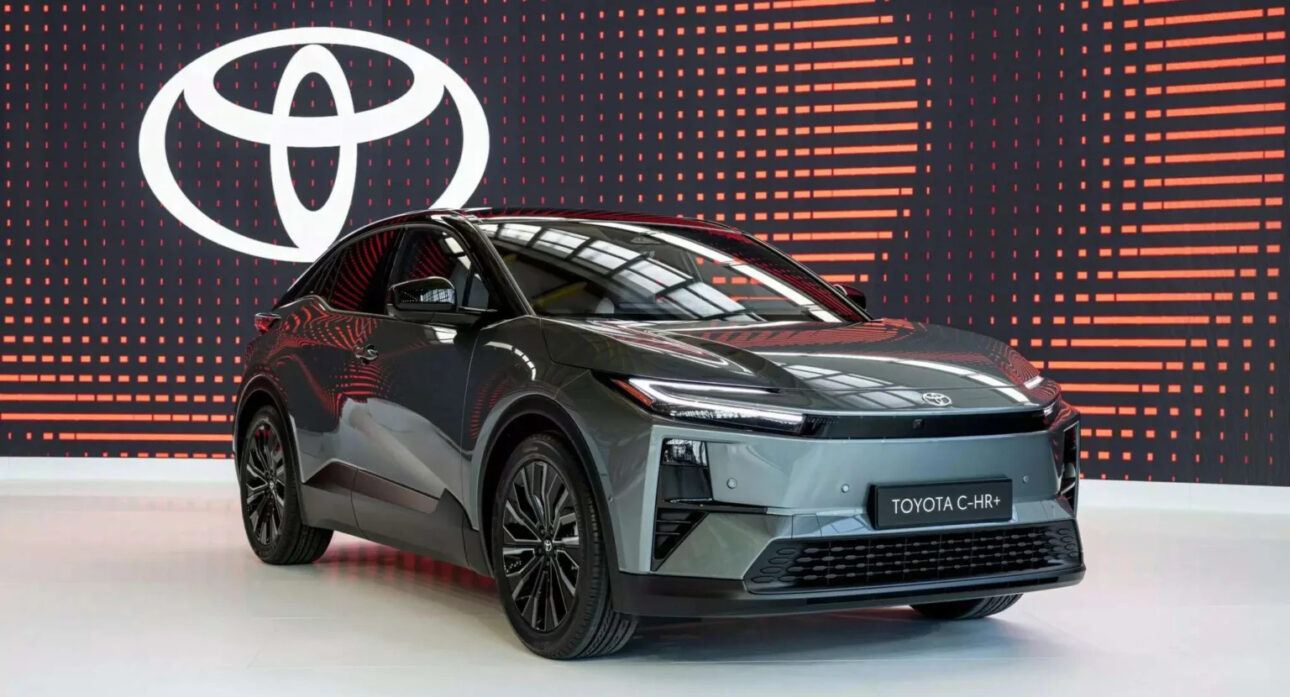
The model follows the new visual identity of the brand, the same adopted in Prius, Camry, and RAV4, and utilizes the e-TNGA 2.0 platform.
Among the options, there are batteries of 57.7 kWh (165 hp and up to 455 km of range), 77 kWh (224 hp and 600 km), and a top-of-the-line version with 342 hp, all-wheel drive and acceleration from 0 to 100 km/h in just 5.2 seconds.
In Brazil, an electric coupe SUV of this size could directly compete with models like Omoda 5 EV, Geely EX5, BYD Yuan Plus, and even future releases, such as the Chevrolet Captiva Electric.
These four models — Toyota Tundra, 4Runner, GR Yaris, and C-HR+ — are not yet officially sold in Brazil, but they demonstrate Toyota’s potential across different segments: from luxury full-size trucks to electric SUVs, including compact sports cars.
If the automaker decides to bet on these vehicles, the Brazilian market would certainly see news to stir up the competition.





O 4Runner não é o SW4 americano, esse é o nome global do modelo, aliás os primeiros SW4 vendidos no brasil até o ano de 2002, são a 2° e 3° geração do 4Runner, com a característica janela que sobe e desce (por acionamento de botão no painel) na tampa do porta malas, que no atual 4Runner ainda permanece.
O SW4 vendidos aqui a partir de 2005 até hoje é outro carro, globalmente chamado de FORTUNER