






 Portuguese
  Spanish
  3 min of reading
  0 comments



In Monowi, Nebraska, Elsie Eiler Lives Alone and Manages the Whole Town, Keeping Bar, Library, Municipal Elections, and Infrastructure Running
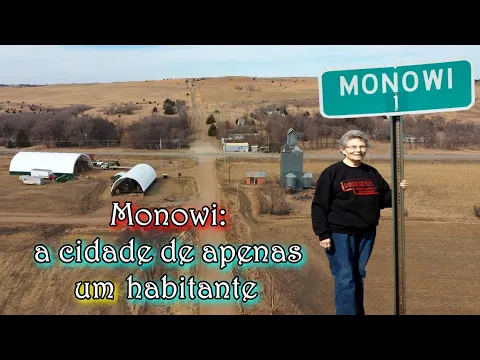
The small village of Monowi, in northeastern Nebraska, in the United States, has become known worldwide for an unusual characteristic: it officially has only one resident. The one-person town defines the local reality, where Elsie Eiler manages the entire municipality on her own.
Origin and Growth of the One-Person Town
Monowi was founded in the early 20th century in Boyd County, Nebraska. During the 1930s, the locality experienced its peak population, with approximately 120 to 150 residents.
During that time, the community had a school, a church, and several businesses serving the residents and travelers passing through the area.
-
The rule of silence after 10 PM may lose strength in Brazilian cities, but noise will not be allowed, and new proposals divide residents and business owners.

-
Measuring 13m in wingspan, the F-15 Eagle is a tactical fighter that combines power, advanced electronic systems, large weapon capacity, and high maneuverability to dominate the skies in any condition.

-
Macabre garden in Poland: 34 fetuses found on former property of a doctor reveal a disturbing story of silence, pain, and unanswered questions
-
As small communities struggle to maintain local income, Zigurats bets on its own cryptocurrency and transforms water, clay, and cosmetics into digital assets.




As the decades passed, economic and social changes led to the gradual decline of the one-person town population.


Population Decline and Change in Census
The weakening of railroads, the consolidation of larger farmland, and the migration of young people to urban centers contributed to the progressive emptying of the village.
In the census conducted in the year 2000, only two residents remained in Monowi: Elsie Eiler and her husband, Rudy Eiler.
When Rudy passed away in 2004, Elsie officially became the only inhabitant of the one-person town, a situation that remains to this day.
Solitary Administration of the One-Person Town
Since then, Elsie has taken on all the administrative functions of the municipality alone. She simultaneously serves as mayor, secretary, treasurer, librarian, and local maintenance supervisor.
Every year, she organizes the municipal elections of the one-person town, in which she runs for office and votes for herself.
In this process, she also approves the annual budget and plans essential services, such as street maintenance and public lighting.
She also prepares the annual road plan and ensures that the small infrastructure of the village continues to receive the necessary state resources to function.
The Bar and Library Maintained by Elsie
Monowi has two public buildings maintained by the only resident: the Monowi Tavern and Rudy’s Library.
The tavern operates as a bar and restaurant. Elsie opens the place from Tuesday to Sunday, preparing hamburgers, snacks, and serving beers to visitors and residents of nearby towns.
The library, established in honor of her late husband, houses around 5,000 books.
Visitors can borrow copies by registering their names in a notebook and returning them when they wish.
Visitors and Routine in the Village
Despite living alone in the one-person town, Elsie’s routine is not entirely isolated.
Farmers, firefighters, and workers from the region often stop by the bar to chat, play cards, or spend some time there.
The fame of Monowi has crossed the borders of Nebraska and attracts journalists, tourists, and documentarians from various parts of the world.
Many visit the village to photograph the town, visit the bar, or explore the library that preserves the community’s memory.
Even with only one inhabitant, Monowi remains officially incorporated as a municipality.
Administered by a single person, the one-person town remains active and represents a unique reality of community organization.
With information from O Povo.




-

-

2 people reacted to this.