






 Portuguese
  Spanish
  4 min of reading
  0 comments


Discovery of 34 fetuses buried on a property in Poland led to the arrest of a doctor and opened an investigation with international repercussions.
An investigation initiated in the Rzeszów region, in southeastern Poland, gained international attention this Monday (15), after authorities found 34 human fetuses buried on a property that belonged to a pathologist doctor. The case came to light in June 2026 and quickly became one of the most talked-about topics in the country due to the number of remains found and the circumstances surrounding the investigation.
According to information published by People, the main suspect is the pathologist Magdalena H., 57 years old, arrested by Polish authorities after the discovery of the fetal remains during an investigation conducted by the District Prosecutor’s Office of Rzeszów. The publication reports that the materials were located on a property previously linked to the doctor, in the locality of Lutoryż, near the city of Rzeszów.
Discovery began after workers found suspicious materials on the land
According to Jovem Pan, which reproduced information released by the AFP agency and Polish authorities, the investigation began after the location of materials considered suspicious during interventions carried out on the property.
-
Measuring 13m in wingspan, the F-15 Eagle is a tactical fighter that combines power, advanced electronic systems, large weapon capacity, and high maneuverability to dominate the skies in any condition.

-
As small communities struggle to maintain local income, Zigurats bets on its own cryptocurrency and transforms water, clay, and cosmetics into digital assets.

-
With a wingspan of 56.4 meters, the B-52H Stratofortress carries up to 31.5 tons of armaments and remains one of the main strategic bombers of the United States.
-
Ana Castela presents new horses, attempts a 360-degree spin for the first time, and impresses fans with track-worthy technique.




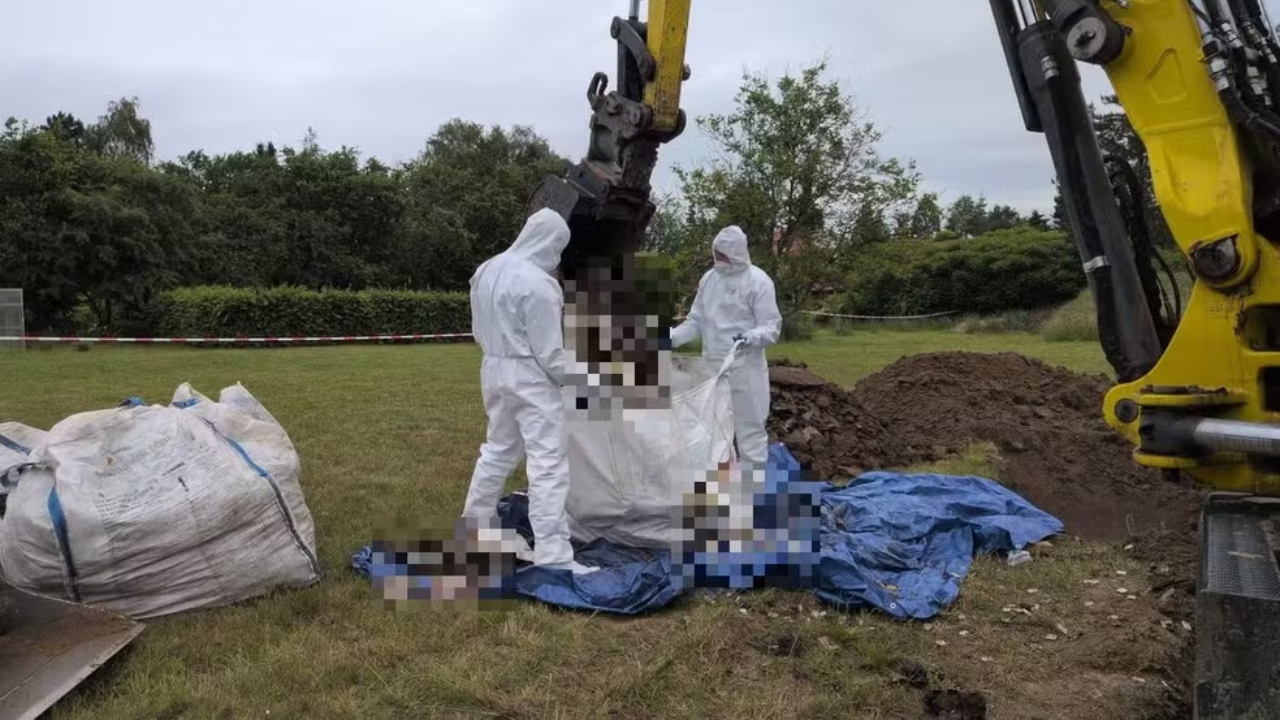
Following the report, specialized teams conducted detailed searches on the site using forensic investigation methods. During the excavations, investigators located the remains of 34 human fetuses, as well as materials associated with laboratory activities and pathological analyses.
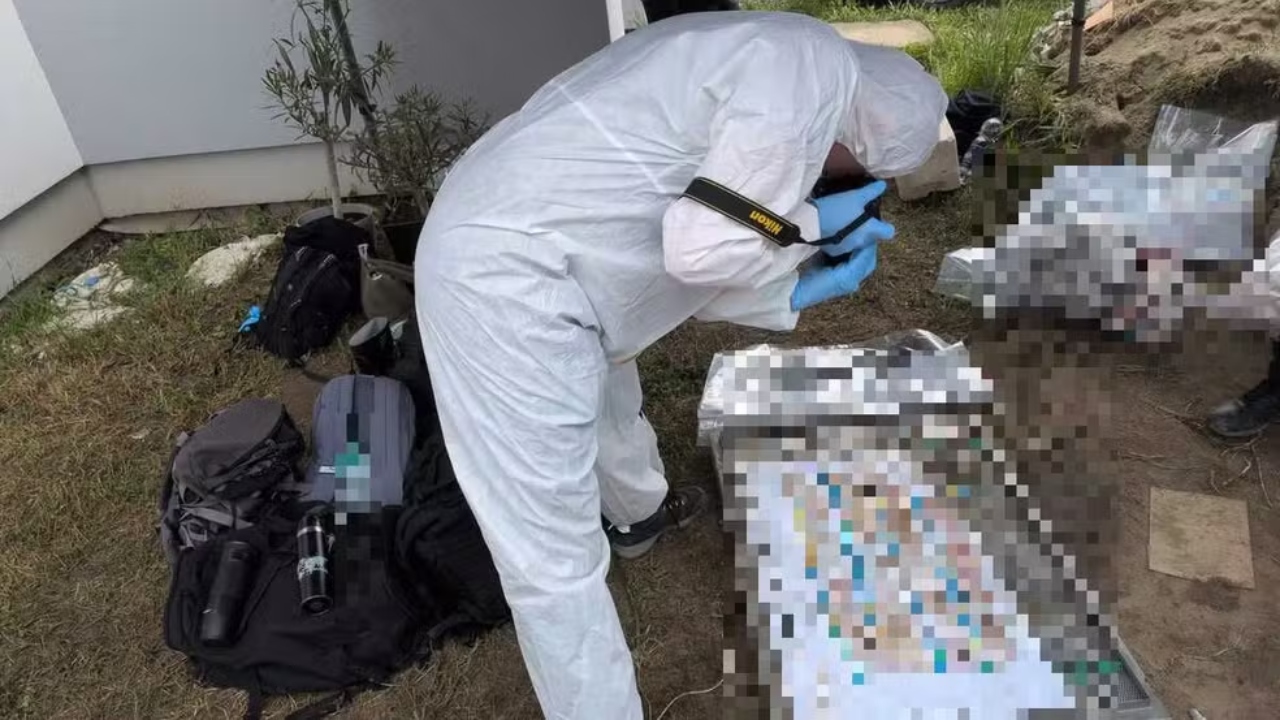
According to People, the discovery mobilized prosecutors, experts, and criminal investigation teams who began analyzing documents, objects, and traces found in the area to determine the origin of the materials and the context of the burials.
Authorities investigate suspicion of experiments before burials
One of the most important investigative lines involves the possible use of the fetuses in experimental procedures.
According to statements from the District Prosecutor’s Office of Rzeszów reproduced by Jovem Pan, investigators are working with the hypothesis that some of the materials found may have been used in experiments before being buried on the property.
The authorities emphasize that this possibility is still being analyzed and that forensic work is ongoing. So far, no definitive conclusions have been released about the exact nature of the procedures that may have been carried out.
The caution adopted by the investigators is important because the case is still under investigation and various pieces of evidence are still under laboratory analysis.
Doctor admitted the burials but denies criminal responsibility
According to People, the doctor acknowledged having buried the fetuses found on the property but did not admit guilt for the charges presented by the prosecution.
The publication reports that the Polish judiciary has ordered her preventive detention while investigations continue. Among the crimes being investigated are possible irregularities related to the treatment and disposal of human biological material.
Jovem Pan also reports that the authorities are assessing whether there was a violation of legal regulations governing the storage, transportation, and disposal of medical waste in Poland.
Investigation found no evidence of illegal abortions
One of the aspects that generated the most public speculation was the origin of the fetuses found.
According to Jovem Pan, representatives of the Prosecutor’s Office reported that, so far, there is no evidence indicating the occurrence of illegal abortions related to the case. Investigators state that this hypothesis is not supported by the information gathered so far.
The investigation seeks to clarify when the burials occurred, where the fetal remains came from, and what procedures were carried out before their final disposal.
The answers to these questions depend on forensic analyses that have not yet been completed.
Case causes national and international repercussion
According to People, the discovery caused a strong reaction both in Poland and in other countries due to the number of fetuses found and the unusual nature of the case.
The investigation has also reignited debates on the oversight of medical waste, research protocols, control of biological materials, and supervision mechanisms in health-related institutions.


As authorities continue gathering evidence, the case remains surrounded by questions that still await official answers.
A case that remains surrounded by doubts
More than the discovery of the 34 fetuses, what draws the investigators’ attention is the need to reconstruct a sequence of events that may have spanned several years.
According to the information released by People and Jovem Pan, there are still no definitive conclusions about all the investigated facts. What is already known is that the discovery led to the arrest of the doctor and opened one of the most unusual and sensitive investigations in recent years in Poland.

As new analyses are completed, investigators hope to clarify the origin of the materials found and answer the questions that continue to mobilize authorities, experts, and public opinion.






Be the first to react!