






 Portuguese
  Spanish
  3 min of reading
  0 comments


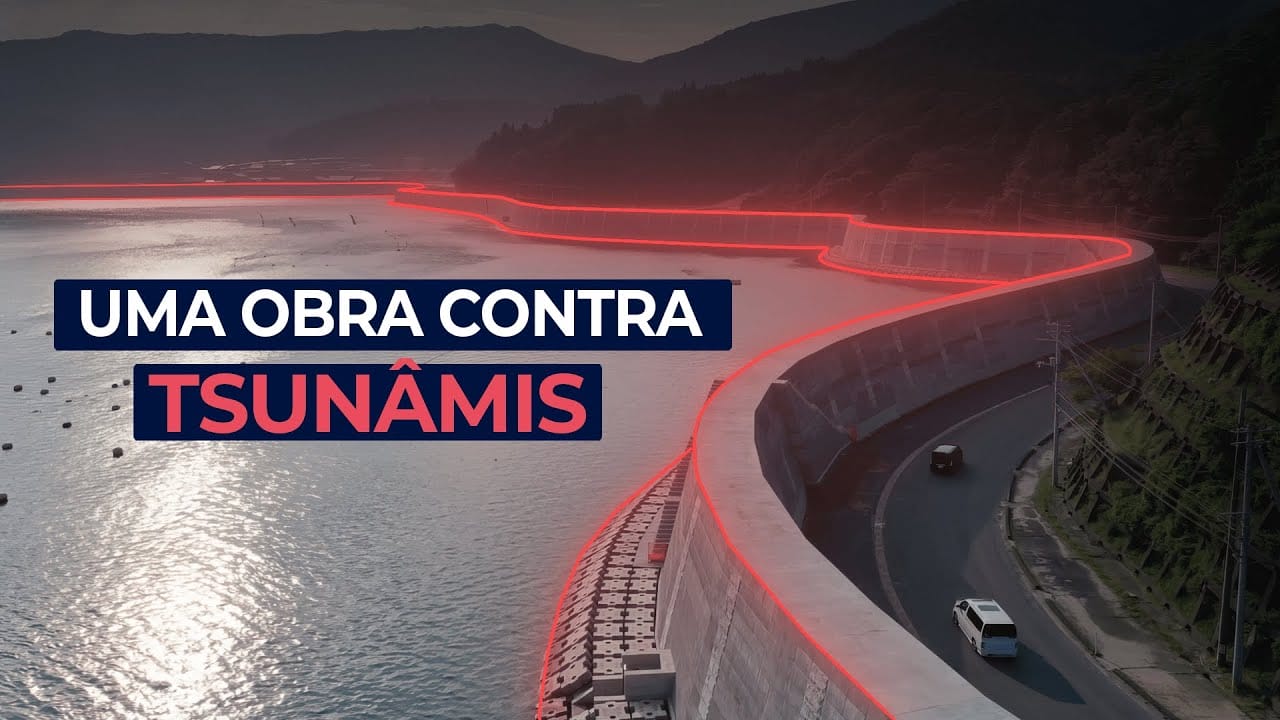
Japan’s 400 km Wall Is Being Developed and Promises to Have More than Four Stories. The Wall in Japan Is the Country’s Response to Possible Floods and Tsunamis.
One of Japan’s most important constructions was born from one of the most tragic events in the country’s history. The Tohoku Earthquake and Tsunami in 2011, off the eastern coast of Japan, left around 20,000 people dead, devastating entire cities and causing enormous disaster. In the aftermath of the disaster, the government invested billions of dollars in the construction of new tsunami defense systems. Now, along the coast is a massive 400 km wall in Japan, designed to weaken strong waves and give people time to evacuate during possible upcoming disasters.
Meet the Japanese Wall That Resists Tsunamis


Sea walls have been part of Japan’s coastline for a long time, and over the centuries, the country has stood out as a world leader in coastal engineering. Just take the city of Taro, which suffered two devastating typhoons in 1896 and 1933 and soon after became a global example of coastal defense systems by building a wall in Japan in an X shape with 2.4 km of 10-meter high Japanese wall.
In other parts of the country, cities were incorporating similar elements of coastal defense, including an earthquake-resistant wall in Japan and tsunami evacuation routes, but in 2011, the Japanese wall was not enough.
-
NASA takes another look at the M87* black hole and finds details in the cosmic jet in X-rays that seem to reveal a much more unsettling universe than previously imagined.

-
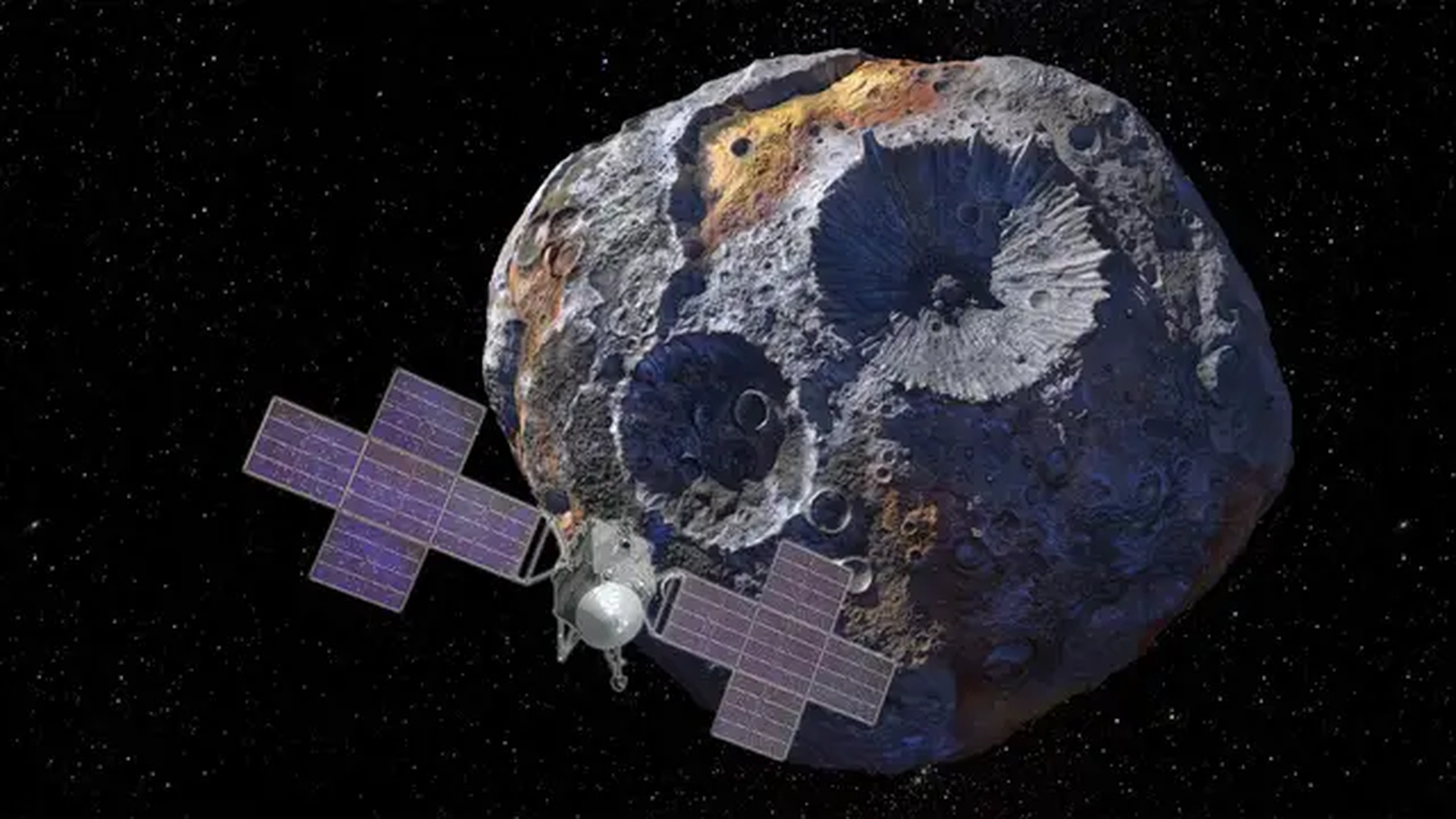
NASA’s space probe passes just 4,609 km from Mars, receives a boost of 1,600 km/h, and continues towards the asteroid 16 Psyche, a body valued at up to $10,000,000,000,000,000.

-
5,500-year-old DNA found in Stone Age bones reveals that the plague was already haunting prehistoric communities long before the medieval Black Death.
-
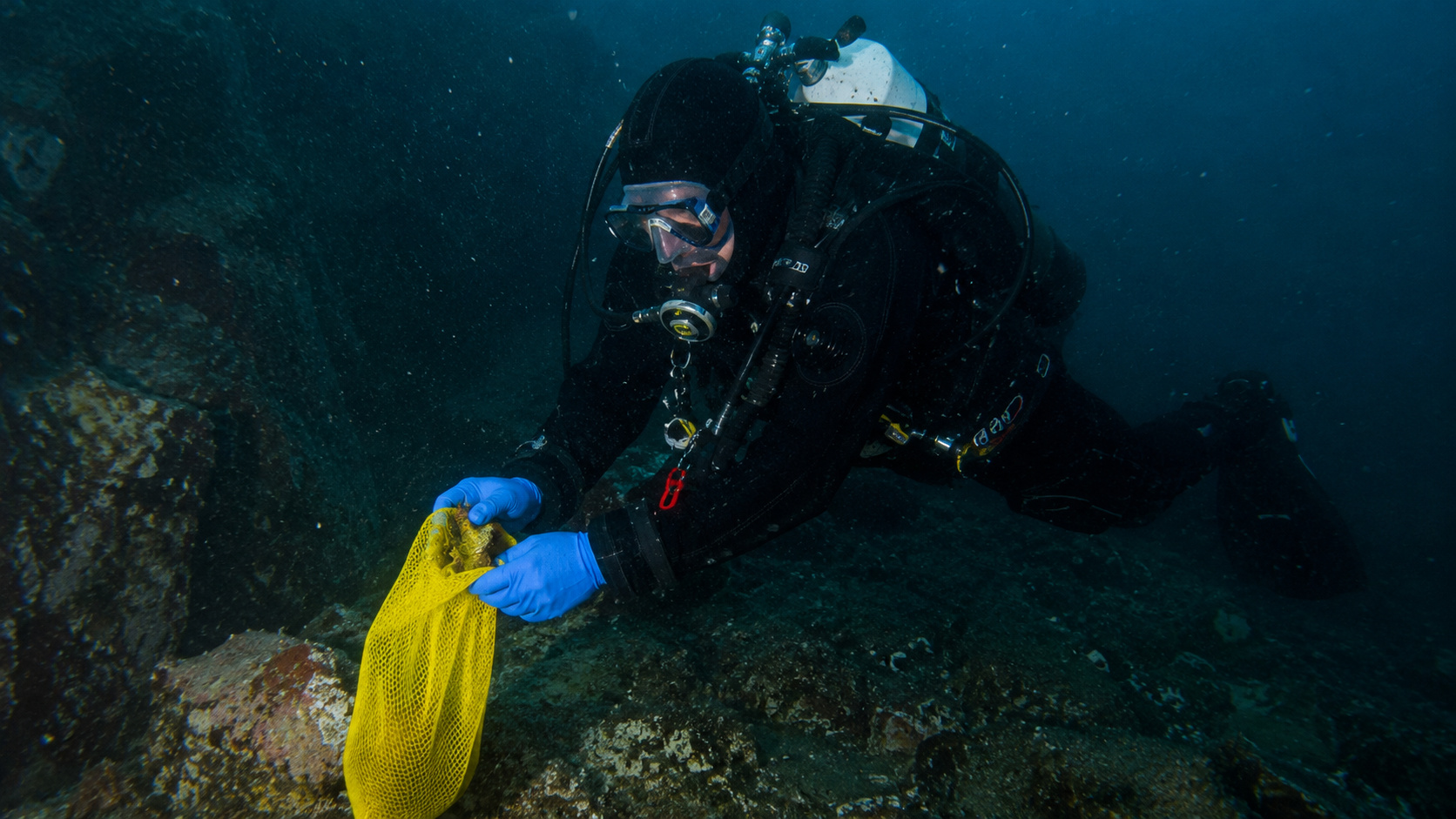
Bacteria hidden in the freezing waters of Antarctica intrigues scientists by producing a rare compound that targets melanoma cells without affecting healthy tissues.


The coastal walls of Japan were designed to withstand waves of up to 8 meters, but the 2011 tsunami had waves reaching 12 to 15 meters high.
The walls reduced the force of the tsunami, but the massive waves still rushed over, in some cases completely crushing structures and failing. Indeed, before this, Japan was the most well-prepared nation in the world for a tsunami, but the natural event was much larger than they expected.
Japanese Government Makes Billion-Dollar Investment Equivalent to 12 Billion Dollars
After 2011, the Japanese government allocated 12 billion dollars to repair and build a 400 km wall in Japan. These new structures are taller than the previous ones, reaching up to 14.7 m in some areas. Supported by foundations about 25 meters deep in some places, the wall in Japan is built with wider bases and reinforced internal walls to better absorb the impact of the waves and help prevent collapse.
New recommendations in Japan’s disaster scenario manual include the use of geotextile membranes in the 400 km wall in Japan, to try to prevent leakage of the filling material used, widen the rubble mounds of the breakwater, and interlink and reinforce concrete blocks in the walls.
Challenges Encountered in the 400 km Wall of Japan
However, the height of the walls is the biggest advantage and perhaps its biggest disadvantage. One concern researchers have is that super-high sea walls might actually worsen the impact of tsunamis, creating a blockage similar to a dam, which could release an even more intense torrent if it breaks, and for some residents, they are simply an eyesore.
In some areas, the large Japanese wall has more than four stories, completely blocking the view of the sea and leaving some residents feeling as if they were in a prison.
Others fear that the wall in Japan might deter tourists or that it is destroying the livelihoods and culture of their coastal community.
The Morino project proposes building concrete breakwaters along the coast, supported by trees with deep roots to help weaken the power of tsunami waves and stop drifting objects.







Be the first to react!