Portuguese
  Spanish


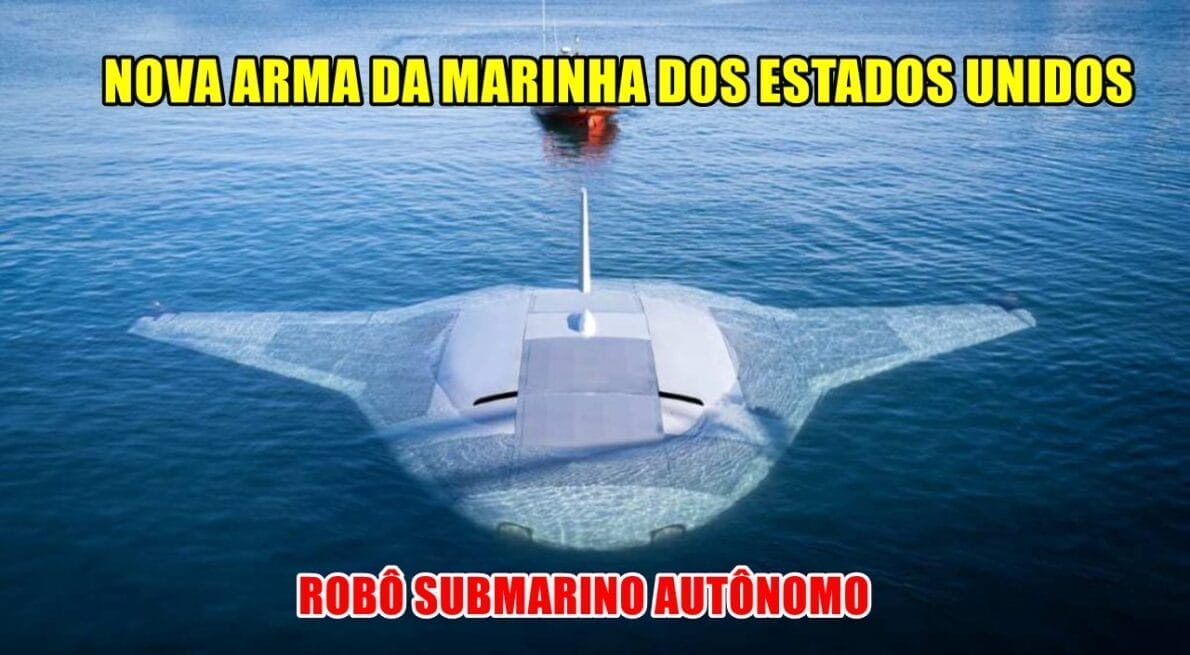


Revealing The Manta Ray: Discover The State-of-the-Art Submarine Drone Of The United States Navy, Designed For Advanced Naval Operations
In the vast stretches of the ocean, a new and remarkable underwater drone has emerged, inspired by the graceful movements of the manta ray. The UUV Manta Ray, developed by Northrop Grumman and conceptualized by the Defense Advanced Research Projects Agency (DARPA) for the United States Navy, is poised to change the game in the realm of naval operations.
The path ahead for the UUV Manta Ray is undoubtedly filled with exciting possibilities, as it promises to redefine the limits of naval operations and reshape the way the United States Navy faces the challenges of the 21st century. With its unique capabilities and the unwavering commitment of its developers, the Manta Ray UUV is positioned to become a transformative element in the realm of submarine warfare.


Biomimicry And Technological Advancements
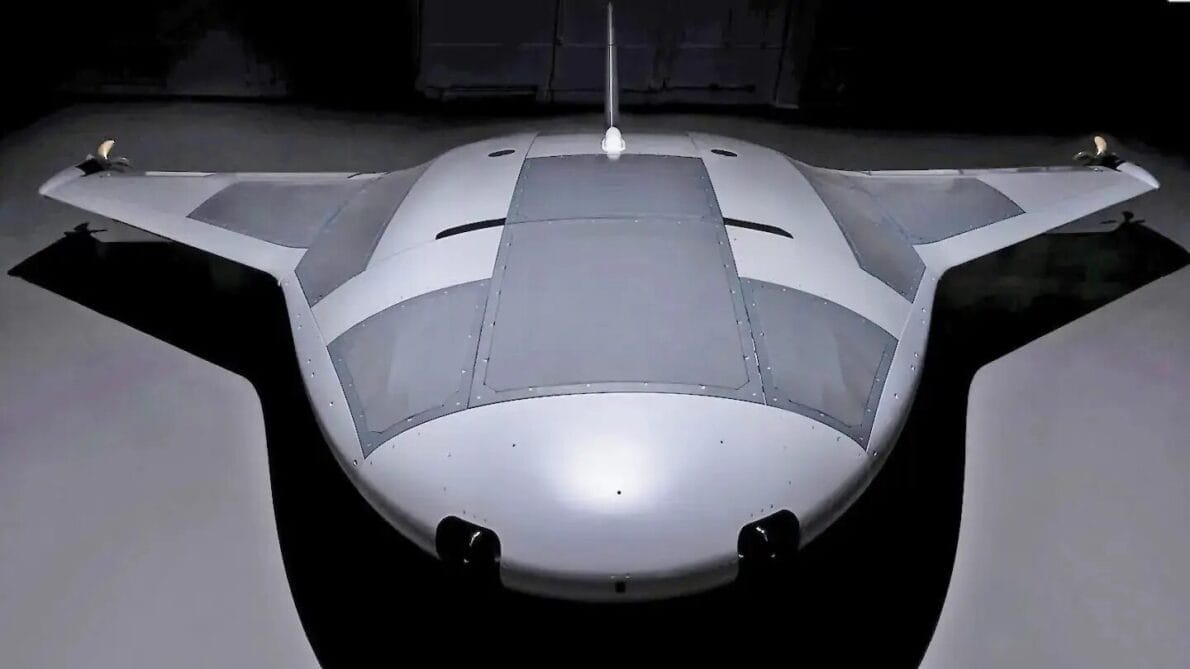
The UUV Manta Ray is a testament to the power of biomimicry, where engineers drew inspiration from nature to create innovative solutions. The streamlined shape of the body and wing-like fins of the manta ray have been meticulously replicated, allowing the drone to glide through the water with exceptional efficiency. This biomimetic design not only enhances the drone’s propulsion but also allows it to conserve energy, a crucial factor for long-duration missions.
-
European Parliament Approves Digital Euro, Aiming to Challenge Visa and Mastercard’s Dominance and Transform Payments Across Europe by 2029

-
Israel finds Hezbollah militarized tunnel over 200 meters long under village, with 4 missile launch shafts, 12 chambers, anti-tank missiles, drones, and weapons depots at a depth of 25 meters.

-
Ukraine launches largest drone attack on Moscow since 2022, Russia claims to have intercepted nearly 200 aircraft near the capital, Kapotnya refinery targeted again, and offensive reignites alert about war reaching the Russian energy heart just a few kilometers from the Kremlin.

-
Why can the crane operator only obey the correct signalman on the construction site: among dozens of workers, a hand raised by the wrong person can confuse the maneuver and turn a load of tons into an immediate risk.



Complementing its biomimetic design, the UUV Manta Ray is equipped with cutting-edge technologies that expand the limits of underwater operations. Low-power, high-efficiency autonomous propulsion, energy-saving modes, and the ability to anchor on the seafloor and hibernate in a low-power state are just some of the impressive features that set this drone apart.
Enabling Autonomous And Durable Missions
One of the main goals of the UUV Manta Ray is to enable underwater operations with minimal human intervention. Through the integration of advanced artificial intelligence (AI) systems, the drone can learn and adapt over time, becoming more proficient in its tasks. This level of autonomy is revolutionary, as it allows the Manta Ray to carry out missions without the need for constant human supervision or intervention.
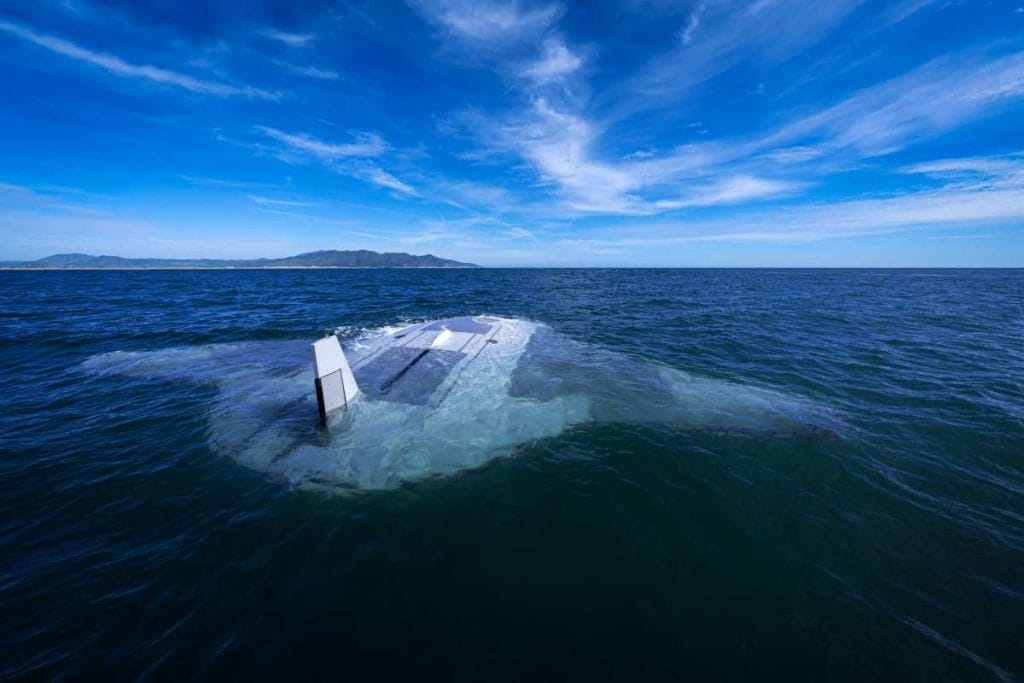
Equally impressive is the Manta Ray’s ability to harvest energy from the sea, ensuring nearly unlimited endurance and range. The drone’s innovative energy harvesting capabilities, including the use of solar power and wave energy, allow it to remain submerged for extended periods, minimizing the risk of detection by adversaries.
Versatile Military Applications
The potential military applications of the UUV Manta Ray are vast and diverse. From submarine tracking and anti-submarine warfare to covert reconnaissance and intelligence gathering, this drone can be a valuable asset in various naval operations.
Submarine Tracking And Monitoring
The Manta Ray’s ability to operate autonomously and remain submerged for extended periods makes it an ideal solution for submarine tracking and monitoring. By deploying a fleet of Manta Rays equipped with hydrophones, the U.S. Navy can establish a comprehensive and resilient network to monitor the movements of enemy warships and submarines, even in contested areas like the South China Sea.
Anti-Submarine Warfare
In addition to its surveillance capabilities, the Manta Ray can also be equipped with munitions, such as the lightweight anti-submarine torpedo Mk 46, to engage enemy submarines. This versatility allows the Navy to develop a fluid anti-submarine network, with Manta Rays relocating independently and keeping enemy submarines at risk.
Covert Reconnaissance And Intelligence Gathering
The Manta Ray’s stealthy and autonomous nature makes it well-suited for covert reconnaissance and intelligence gathering missions. Its ability to remain submerged and harvest energy from the sea allows it to operate for extended periods without the need for refueling or surfacing, reducing the risk of detection by adversaries.
Aligning With The Navy’s Autonomous Future
The UUV Manta Ray aligns perfectly with the U.S. Navy’s vision to expand its autonomous fleet. As outlined in the 2022 edition of the Chief of Naval Operations Navigation Plan, the Navy plans to increase its combat vessel force from approximately 300 to 523, with 150 of those vessels being unmanned.
The modular design of the Manta Ray, which allows for easy transport and field assembly, further enhances its expeditionary deployment capabilities, making it a cost-effective and versatile addition to the Navy’s growing autonomous fleet.
Embracing The Future Of Asymmetric Warfare
The potential of the UUV Manta Ray also extends beyond traditional naval operations as it aligns with emerging trends in asymmetric warfare. The recent Ukrainian operation that destroyed a Russian corvette using a fleet of unmanned boats serves as a testament to the power of evolving technologies to enable smaller assets to challenge larger traditional platforms.
As the global security landscape continues to evolve, the United States Navy’s Manta Ray’s ability to operate autonomously, remain undetected, and engage in targeted missions could prove invaluable in the face of emerging asymmetric threats.
Unlocking The Potential Of The U.S. Navy’s Manta Ray
The UUV Manta Ray represents a remarkable leap in underwater drone technology, combining biomimicry, advanced engineering, and autonomous capabilities to create a truly innovative platform. As the U.S. Navy continues to embrace the future of unmanned warfare, the versatility, endurance, and strategic advantages of the Manta Ray make it a compelling addition to the naval arsenal.