






 Portuguese
  Spanish


Discover The Properties, Applications, And Global Impact Of Graphene, The Thinnest And Strongest Material Ever Known
Graphene, an innovative material derived from graphite, is quickly becoming one of the most promising substances to revolutionize various industries, according to Asmetro. With exceptional physical properties and a wide range of technological applications, graphene promises to transform areas such as electronics, construction, energy, and more. But what makes this material so special and how can it change the world?
What Is Graphene?
Graphene is the thinnest material known to science, composed of a two-dimensional layer of carbon atoms arranged in a hexagonal structure. With a thickness of just one atom, it is derived from graphite, a mineral abundant on Earth. Its unique properties, such as high mechanical strength and excellent thermal and electrical conductivity, make it one of the most researched and promising materials today.


Why Is Graphene Considered Revolutionary?
The uniqueness of graphene lies in its impressive physical properties. This material is the strongest ever identified, capable of withstanding pressures of up to 130 gigapascals, about three times more than steel. Furthermore, it is extremely lightweight, with a density of 0.77 g/m², making it a thousand times lighter than a sheet of paper.
-
China Develops Custom 140-Ton Electric Mining Truck with 770 kWh Swappable Battery, Deploys 290 Units in Xinjiang’s Largest Zinc Mine

-
Meta to Launch Arena, a New Prediction App Targeting 3.56 Billion Users, Competing with Polymarket and Kalshi

-
Scientist Challenges Famous Human Evolution Theory, Argues Homo Sapiens Evolved Gradually Over Thousands of Years
-
15-Year-Old American Builds Ocean Generator with PVC Pipe and 3D-Printed Propeller for $12, Wins National Prize, Presents at White House, and Makes Forbes 30 Under 30 List




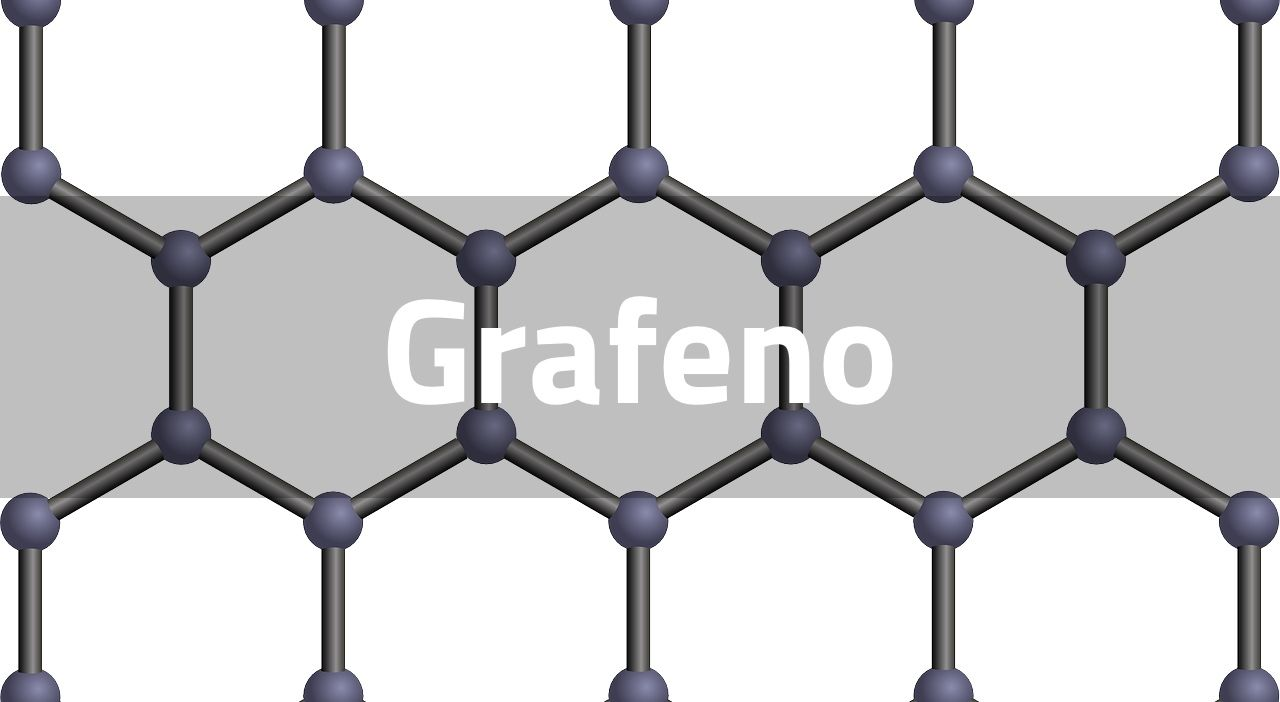
Another highlight of graphene is its high elasticity, evidenced by its high Young’s modulus, which allows it to return to its original shape after deformation. Additionally, graphene is highly impermeable, capable of preventing the passage of gases, such as hydrogen, which typically escape easily from their containers.
Electrical And Optical Properties Of Graphene
The electrons in graphene move almost unimpeded, thanks to its hexagonal structure. This allows them to reach speeds close to the speed of light, giving the material an extremely low electrical resistivity, even lower than that of silver, the best-known metallic conductor.
In addition to its impressive electrical properties, graphene also possesses remarkable optical characteristics. Despite its minimal thickness, it is visible to the naked eye, allowing 97% to 98% of incident light to pass through. When stacked, graphene can create a perfectly black surface, capable of absorbing almost all light radiation.
The Value And Production Of Graphene
Due to the complexity of its production, graphene still has a high cost on the market. Modern production methods, such as vapor deposition on metallic substrates, allow the obtaining of thin and pure sheets of graphene, which can cost up to $275 for 12.9 cm².
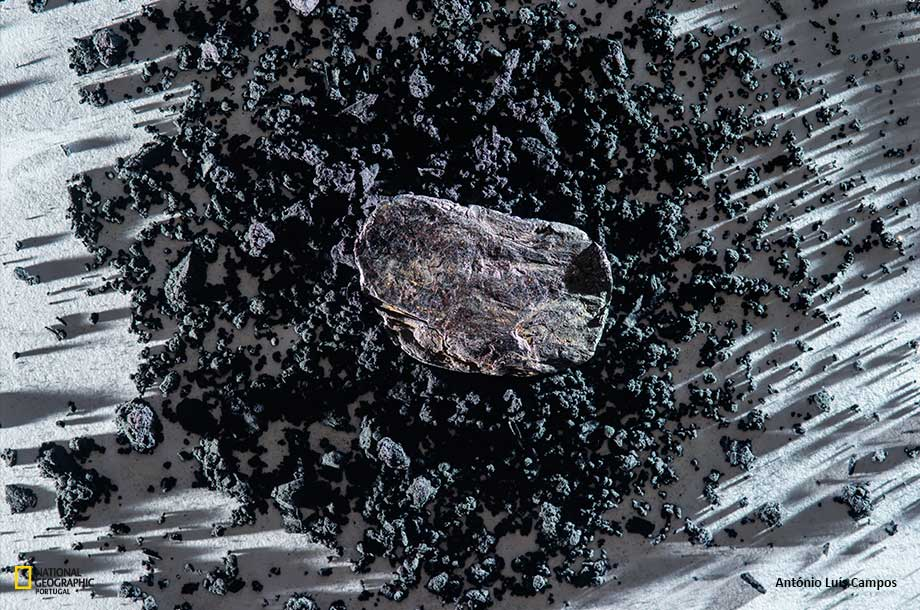
Despite the high cost, Brazil stands out as one of the largest holders of graphite reserves, a key raw material for the production of graphene. This places the country in a strategic position to lead the global production market for this material, which, according to forecasts, could reach a value of up to $1 trillion in the next 10 years.






A unidade de pressão do grafeno está errada. É MPa, e não GPa. Pois a pressão gerada durante a detonação de um explosivo é, em média, 6 GPa, ou seja, não existe no nosso planeta nenhum material que suporte essa pressão. Ademais, a resistência à tração do aço carbono varia de 300 a 500 MPa.
Não entendi sobre a densidade do grafeno. A matéria diz que é 0,77 g/m², mas a densidade é g/m³. Foi erro de digitação????
O grafeno é extremamente fino, com alguns atmos de “profundidade” só, então faz mais sentido falar de densidade superficial do que volumétrica.
Densidade por área, ou seja, gramas por m².
Matérial com a espessura de um átomo.
Tenho interesse nesse no Grafeno,
Hoje já estou extraindo em esca industrial, teria o interesse em conhecer mais?
Lá vem o golpe kkk
Não se trata de golpe…é realidade. Desenvolveu equipamento que extrai o grafeno diretamente do minério, após mais de 10 anos de estudos e pesquisas. Agende uma visita para conhecer o equipamento e o processo e se surpreenda.
Minério de grafeno kkkkkkk, grafeno é grafite, literalmente carvão. A diferença é que são poucas camadas atômicas sobrepostas que confere a ele algumas propriedades da escala nano. Não se extrai grafeno, se produz.
O ser humano tende a duvidar do que não conhece.
Olá! Onde fica o equipamento, tenho interesse em conhecer
Bom dia Rubens…passe seu contato para conversarmos e agendamos uma data, ok?
Golpe?
Antes de qualquer comentários seria muito prudente conhecer melhor sobre o assunto….
Gostaria de saber o método e ver amostras .
O método não posso te passar, mas podemos agendar uma data para conversarmos!