






 Portuguese
  Spanish
  3 min of reading
  0 comments


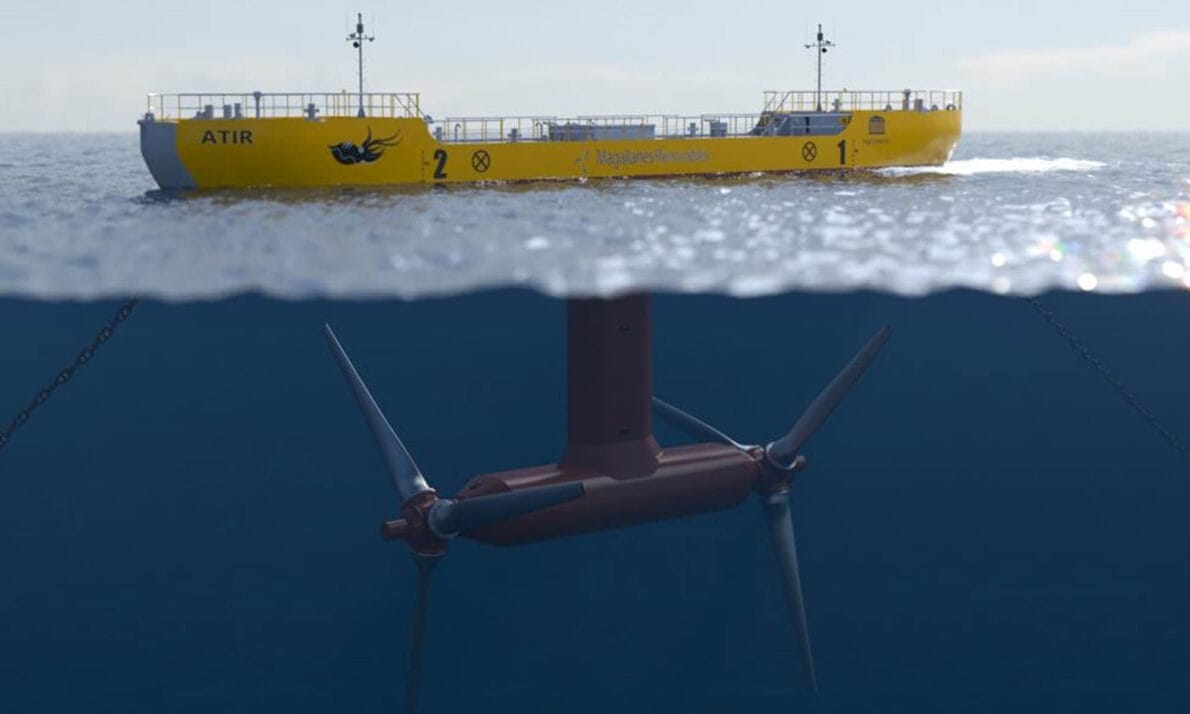
Explore the First Global Marine Energy Park. With a production capacity of 10.5 megawatts, this pioneering park is prepared to provide clean and renewable energy for 11,000 homes
The sea level rises and falls twice a day around the world. Water accelerates, forming tidal currents. It is a constant, limitless movement. Amid the growing global interest in sustainable energy sources, the Atir 2.0 emerges as a revolution in energy generation.
This system, a hybrid between a boat and a wind turbine, represents a significant advancement in renewable energy technology and sets new standards for efficiency and sustainability.

Features, Energy Capacity, and Performance of the Atir 2.0
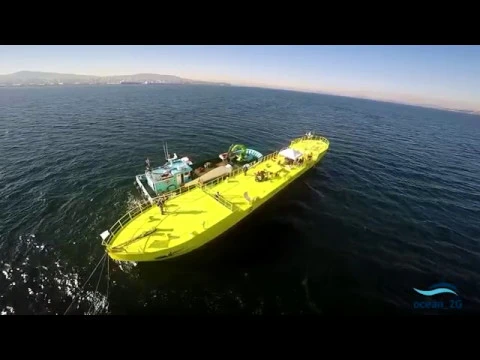
With a length of 45 meters and a submerged structure at a depth of 15 meters, the Atir 2.0 is designed to optimize the capture of tidal energy, transforming the perpetual motion of the oceans into a reliable source of electricity.
-
Brazilian scientists are simultaneously advancing two research projects on clean hydrogen and driving solutions that could transform the energy matrix, enhance industrial competitiveness, and accelerate large-scale emission reduction targets.

-
Advancement in renewable energy: A R$ 150 million project launched by Petrobras and Finep aims to create state-of-the-art electrolyzers for green hydrogen, strengthening national research and preparing Brazil to compete in a billion-dollar energy market.
-
Illiterate or semi-literate grandmothers were trained to repair solar systems, open rural workshops, and light up homes that still depended on kerosene.
-
The world has bet on green hydrogen as the fuel of the future, but now faces the side effect: producing 1 kilogram requires about 9 liters of ultrapure water, and the largest projects on the planet are precisely in the driest regions of the Earth, where water is already scarce for people.





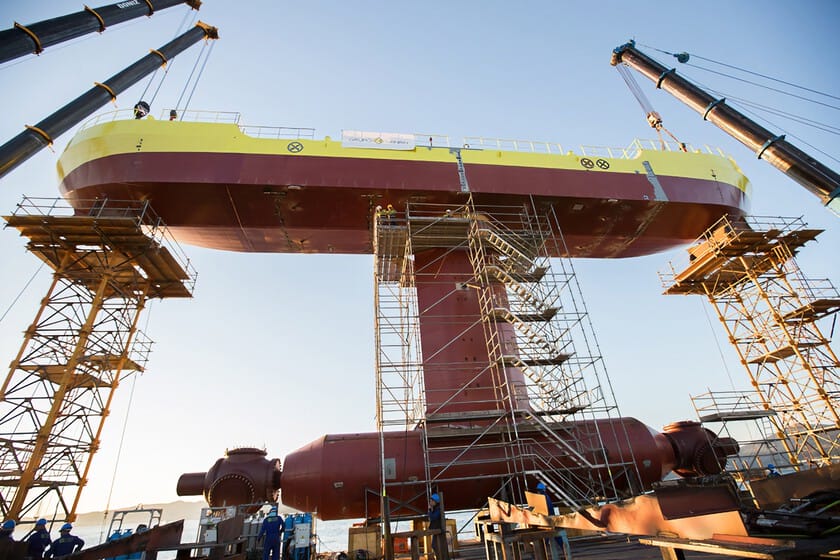
The mast is hollow inside to allow access to the engine room where the powertrain is located. On the outside are the turbines, whose blades resemble those of a wind turbine. The turbines capture the force of the tides in both directions. The boat moves 145 tons of water from side to side with each tide to remain stable during electricity generation.
Above the water are the computer and electrical systems that provide energy to the grid. The Atir is cost-effective, both in operational and capital costs, says Magallanes. The Galician company made its first demonstration in Scotland in 2019. They managed to generate energy and inject it into the Scottish power grid sustainably.
The contract accepted by the company Magallanes requires that seven Atir 2.0 platforms be launched into the sea off the coast of Wales by 2026. They equate to an installed capacity of 10.5 megawatts, enough energy to power 11,000 homes.
Energy Efficiency and Sustainability
In addition to its impressive energy generation capacity, the Atir 2.0 stands out for its energy efficiency and sustainability. The system’s turbines, designed to capture tidal energy in both directions, are an example of technological innovation aimed at maximizing energy conversion.
The design of the Atir 2.0 allows it to remain stable during electricity generation, moving large volumes of water without harming the surrounding marine ecosystems. This approach balances the need for energy production with environmental conservation, offering a clean energy solution that is as efficient as it is respectful of the environment.
The Global Potential of Marine Energy
The design of the Atir 2.0 is not just a proof of concept for marine energy; it is a step towards realizing the global potential of this energy source. It is estimated that marine energy could provide up to 390 gigawatts (GW) of installed power worldwide, with capacity factors between 40 to 50%, significantly higher than many other renewable energy sources.
This potential makes marine energy a promising candidate to play a crucial role in the global energy transition, offering a clean and renewable alternative capable of meeting a significant share of global electricity demand.
Challenges and Opportunities
Despite the immense potential and technological advances represented by the Atir 2.0, it still faces challenges in terms of deployment costs and scalability. However, as technology advances and economies of scale begin to reduce costs, these obstacles are increasingly surmountable.
Continuous investment in research and development is crucial to further optimize the efficiency of these systems and make marine energy a key player in the sustainable energy matrix of the future.
A Sea of Possibilities
The introduction of the Atir 2.0 into the renewable energy landscape opens up a sea of possibilities for electricity generation in a sustainable manner. With its significant energy generation capacity, efficiency, and commitment to sustainability, this system not only exemplifies the potential of marine energy, but also reinforces the importance of innovation in the quest for clean energy solutions.
As the world continues to face the challenges of climate change and sustainability, projects like the Atir 2.0 are beacons of hope, guiding us towards a future where renewable energy is the backbone of a sustainable society.








Be the first to react!