Portuguese
  Spanish




Chamber Approves Redata, Regime That Provides R$ 5.2 Billion in Tax Incentives for Data Centers in Brazil. Program Grants Benefits for Five Years and Requires Environmental Counterparties and Regional Investments.
While various countries compete for large technology projects, the Chamber of Deputies has approved the creation of Redata, the Special Taxation Regime for Data Center Services.
The program provides R$ 5.2 billion in tax incentives as early as 2026 to stimulate the installation of data centers in Brazil.
Now, the text goes on for analysis by the Federal Senate.
-
Six Helicopters to Drop 550 Tons of Poison on Island Near Antarctica to Eradicate Mice Threatening Albatrosses and 19 Seabird Species.

-
Russia Unveils Poseidon: A 20-Meter Nuclear Torpedo-Drone with 10,000 km Range, 185 km/h Speed, and 100-Ton Capacity Threatening Coastal Cities with Radioactive Waves
-
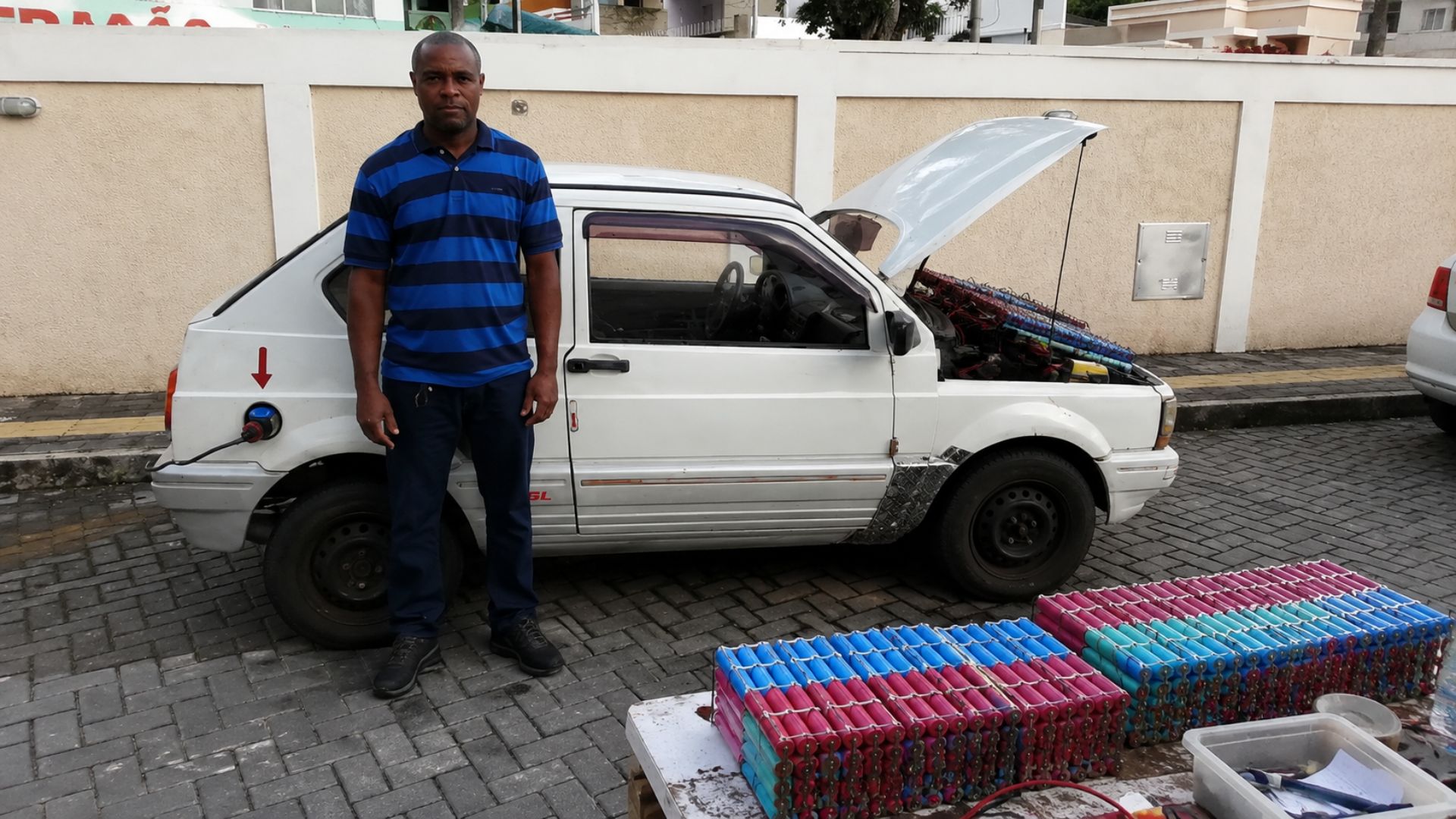
Brazilian Innovator Converts Old Car into Electric Vehicle Using Laptop Batteries and Forklift Motor, Achieves Nearly 90 km/h in Urban Settings

-
Samsung Unveils Smart Oven with Built-In Camera, AI Food Recognition, and Real-Time Monitoring via Smartphone.



The objective is clear: to make the country more competitive in attracting enterprises focused on the storage, processing, and management of digital data. This includes cloud computing, artificial intelligence applications, high-performance processing, and related services.
Tax Benefits for Five Years and Environmental Requirements
Redata establishes the suspension of federal taxes for five years on the acquisition of equipment and infrastructure necessary for the installation of data centers. Among the suspended taxes are Import Tax, PIS/Cofins, PIS/Cofins-Import, and IPI.
Additionally, national manufacturers providing equipment may also benefit.
However, the incentive is not automatic or unconditional. Companies will have to use energy from renewable sources, such as hydropower, solar, and wind. They will also need to meet sustainability goals and make investments in the country.
If the counterparties are not met within the deadline, the suspended taxes will have to be paid with interest and penalties.
Northern, Northeastern, and Central-Western Regions Stand Out
To decentralize investments, the text reduces requirements for companies that set up in the Northern, Northeastern, and Central-Western regions. Additionally, 40% of the resources allocated for projects to promote the digital economy must be invested in these areas.
The mandatory investments may even be directed to private funds provided for in regulations.
According to estimates from the Federal Government, the additional fiscal impact will be around R$ 1 billion per year over the next two years.
Reporter Talks About a “Global Race” for Data Centers
The rapporteur of the proposal, deputy Aguinaldo Ribeiro (PP-PB), highlighted that Brazil has favorable conditions, especially due to the strong presence of renewable sources in the energy matrix.
“There is a global race to attract data centers, and Brazil needs to resolve its tax hurdles quickly. No country is more favorable environmentally for these installations,” he stated.

He also warned that waiting for the complete implementation of the tax reform, scheduled for 2027, could make the country miss strategic opportunities.
“If we only wait for the reform to come into effect, we risk losing important investments to other nations,” Ribeiro said.
Monitoring and Risk of Losing Benefits
The incentives created by Redata will be monitored by the Ministries of Development, Industry, Commerce and Services and Finance. The goal is to verify whether the objectives are being met.
If the company does not allocate part of its capacity to the domestic market, the benefits may be suspended. If the situation is not regularized within 180 days after notification, the accreditation will be canceled, preventing new adherence to the program for two years.
In light of this billion-dollar scenario, do you believe that incentives for data centers will generate jobs and real development in Brazil or could they become just another high cost for public coffers?