Portuguese
  Spanish


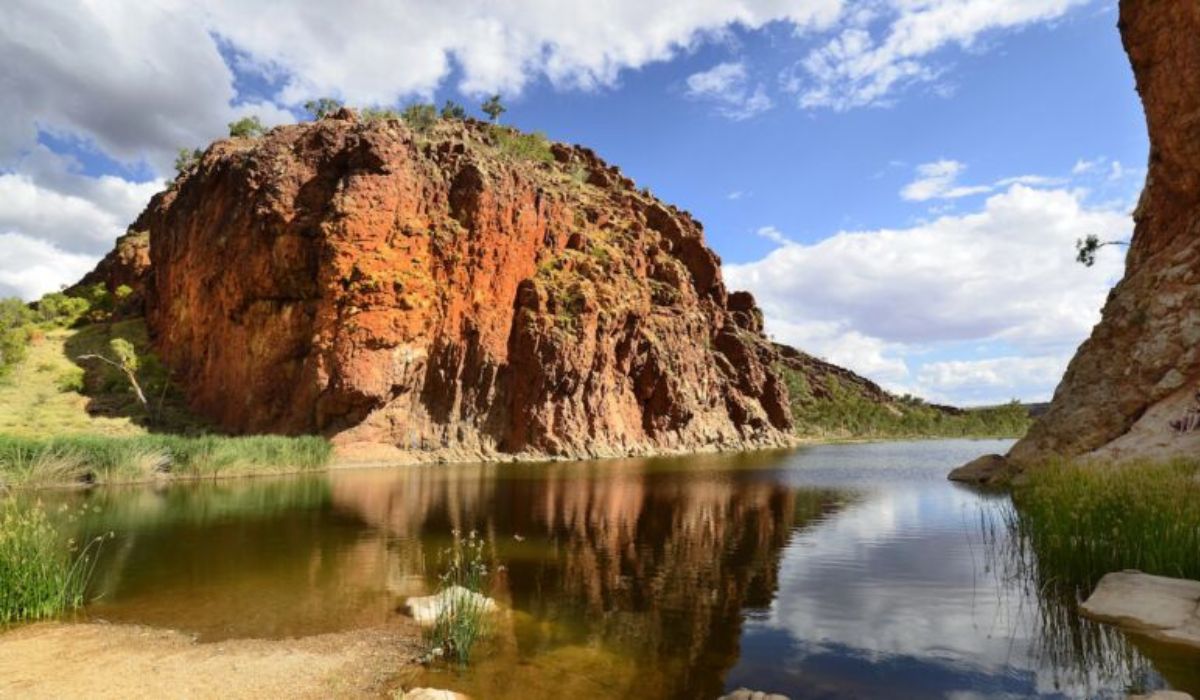


In The Heart Of The Australian Desert, A River With Hundreds Of Millions Of Years Defies Traditional Definitions Of Watercourse, Preserves Rare Geological Traces, And Helps Scientists Reconstruct Ancient Chapters In The History Of The Planet.
In The Arid Center Of Australia, A System Of Rivers And Channels Known As Finke River — Called Larapinta In The Language Of The Arrernte People — Is Regarded By Researchers As The Oldest Existing River, Estimated To Be Between 300 And 400 Million Years Old.
Currently, It Does Not Exhibit Continuous Flow Throughout The Year.
During Long Periods, It Appears As A Series Of Isolated Pools And Dry Sections, Although It Maintains The Same General Outline In The Terrain.
-
How to Prevent Brown Recluse Spider Bites: Common Hiding Spots and Free Tips to Reduce Risks

-
Natto: The Unusual Japanese Superfood Gaining Popularity on Social Media and Driving Record Exports
-
Brazilian Mayor Goes Undercover as Homeless for 24 Hours to Assess Public Services

-
15-Year-Old Entrepreneur Malu Lira Publishes 20 Children’s Books on Financial Education, Earns $500,000, and Expands Her Project to the Amazon Rainforest




The Age Estimate Is Based On Geological Evidence Preserved In The Surroundings And Features Of The River Itself, Which Crosses Resistant Rock Formations Along The Way.
According To Experts, This Set Of Factors Helps Reconstruct A History Long Prior To Human Occupation Of The Region And Even Before The Rise Of Dinosaurs.
Where The Oldest River In The World Is Located And How It Appears Today
According To Information From Gazeta de S.Paulo, The Finke Is Part Of A Drainage Network Over 640 Kilometers Long, Running Through The Northern Territory And Reaching Areas Of South Australia.
In Practice, It Is A Vast System, Whose Behavior Depends Heavily On Rainfall In The Interior Of The Continent.
These Precipitations Are Responsible For Temporarily Connecting The Different Sections Of The Course.
For Much Of The Year, The River Appears As Disconnected Water Points, Formed By Pools And Small Surface Sheets.
Nevertheless, Geologists Classify It As A River Because The Bed, The Sedimentary Deposits, And The Organization Of The Valley Indicate The Continuity Of The Same System Over Time.
According To Researchers In The Field Of Geomorphology, Arid Environments Can Preserve Ancient Traces Of The Terrain For Prolonged Periods, Especially When There Is No Frequent Tectonic Activity.
Even So, Scientists Emphasize That Rivers Are Not Fixed Structures.
Throughout Their History, They Can Change Course, Fragment, Or Disappear.
How Scientists Estimate An Age Of Up To 400 Million Years
The Range Of 300 To 400 Million Years Was Defined Based On The Combination Of Different Methods Of Geological Analysis.
Among Them Are The Study Of The Terrain, Weathering Profiles, And Measurements Of Radioactive Signatures In Rocks And Sediments Of The Region.
These Data Place The Origin Of The System Between The Devonian And Carboniferous Periods, Both Of Which Are From The Paleozoic Era.
This Is A Period In Which The Climatic And Environmental Conditions Of The Earth Were Very Different From Today’s.
This Reinforces The Complexity Of Accurately Reconstructing The History Of The River.
Experts Explain That This Type Of Dating Does Not Refer To A Unique Birth Milestone, But To The Antiquity Of The System As A Whole.
The Convergence Between The Course Outline, The Preserved Deposits, And The Tectonic Context Supports The Assessment That The Finke Is Among The Oldest Recognizable River Systems.
The Unusual Trajectory That Caught The Attention Of Geologists
One Of The Most Cited Pieces Of Evidence By Researchers Is The Pattern Known As Transverse Drainage.
Instead Of Bypassing Areas Of Resistant Rock, The Finke Directly Cuts Through Hard Formations As It Crosses The MacDonnell Range, Called Tjoritja By The Arrernte People.
This Behavior Stands Out Because, Under Normal Conditions, Water Tends To Follow Routes Of Less Resistance.
Therefore, The Main Interpretation Presented In Studies And Interviews Is That The River Existed Before The Formation Of Part Of The Current Terrain.
In Material Released By Scientific Outlets, Geomorphologist Victor Baker From The University Of Arizona States That There Are Indications Of A Pre-Existing Drainage That Remained Active While The Mountain Range Was Forming.
According To Him, This Type Of System Is Classified As “Antecedent”, When The River Maintains Its Course As The Earth’s Crust Is Elevated.

The Relationship Between The Finke River And The Orogeny Of Alice Springs
The MacDonnell Range Is Associated With The Orogeny Of Alice Springs, A Tectonic Event That Affected Central Australia During The Paleozoic Era.
Geological Studies Place This Process Within A Broad Interval, With Main Phases Occurring Between About 400 And 300 Million Years Ago.
The Relationship Between The River And This Episode Is Central To The Age Estimate.
If The Finke Was Already Crossing The Region Before Or During The Uplift Of The Terrain, It Must Be At Least As Old As These Tectonic Transformations.
Additionally, Erosion And Weathering Processes Left Chemical Records In The Rocks, Allowing Scientists To Estimate How Long The Surface Has Interacted With Water And The Atmosphere.
The Analysis Of These Signatures Complements The Geomorphological Evidence Used In The Reconstruction Of The System’s History.
Why A River Can Survive For So Long
Rivers Can Disappear When Buried By Large Volumes Of Sediments.
Significant Changes In Topography, Redirecting The Flow Of Water, Also Influence This Process.
Prolonged Climate Changes And Reduced Water Availability Fall Into The Same Set Of Factors.
Geologist Ellen Wohl From Colorado State University Observes That Changes In Climate And Intense Water Use By Humans Can Interrupt The Flow Of Rivers.
According To Her, This Impact Is Especially Relevant In Dry Regions.
In The Case Of The Finke, Researchers Highlight That The Interior Of Australia Shows Relative Tectonic Stability Compared To The Edges Of The Plates.
This Condition, According To Geomorphology Studies, Contributes To The Preservation Of Ancient Landscapes, Although The Continent Is Not Completely Free From Deformations Over Millions Of Years.
The Future Of The Finke River In A Scenario Of Water Stress
The Long History Of The Finke Does Not Mean That Its Continuity Is Guaranteed.
Experts Indicate That In Arid Environments, The Balance Between Rainfall, Evaporation, Groundwater Recharge, And Human Water Use Can Change Over Much Shorter Time Scales Than Those Recorded In The Geological Past.
Discussions About Ancient Rivers Often Include Comparisons With Other Systems, Such As The New River In The United States.
It Is Frequently Cited As One Of The Oldest In North America.
Researchers Emphasize, However, That Rankings Of This Type Are Controversial And Depend On Different Criteria For Definition And Dating.