






 Portuguese
  Spanish
  3 min of reading
  1 comment


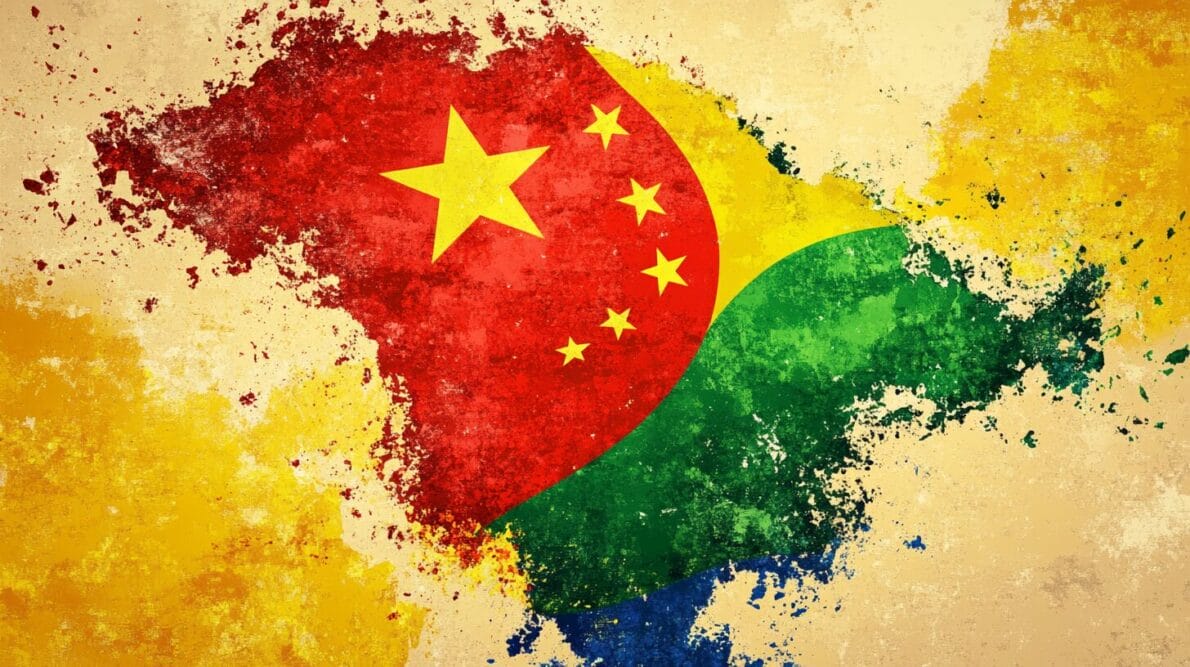

China and the Northeast: A Strategic Relationship That Can Bring Benefits but at the Same Time Can Establish a Dependency!
In recent years, China has been massively investing in the Brazilian Northeast, focusing on renewable energy, electric cars, and infrastructure. These investments are boosting the local economy, creating jobs, and promoting development, but also raise questions about national sovereignty and economic dependency, according to the channel Sem Economês.
China has been paying special attention to the Brazilian Northeast, identifying the region as a strategic area to secure its energy and food future. The abundant wind energy and fertile land make the Northeast an attractive location for Chinese investors. These resources are crucial for China’s sustainable growth, as it seeks to diversify its energy matrix and secure food supplies for its vast population.
Moreover, Chinese investments have given a significant boost to the local economy. Infrastructure projects and renewable energy are creating jobs and promoting regional development. The influx of foreign capital, especially from a country as economically powerful as China, is transforming the economic landscape of the Northeast.
-
Brazilian Joins Homeownership Consortium, Faces Decade of Dual Payments Totaling $141,000, Surpassing Traditional Mortgage

-
Land Rover to Halt Production in July, Putting 371 Jobs at Risk, as Chinese Automaker Negotiates to Convert Factory to 100,000 Vehicles Annually by 2027

-
Mexican Pest Threatens U.S. Cattle Herds at Historic Lows, Potentially Boosting Brazilian Beef Exports as Burger Prices Soar

-
Brazilian Freight Bill Progresses in Congress with $5,000 Minimum Wage, 70% Advance Payment, and Fines Up to $1 Million, as Agriculture and Industry Warn of Rising Costs and Legal Uncertainty


The Economic Power of China and Global Influence
It is no secret that China is using its economic power to expand its global influence. Investment in various regions, including Brazil, is part of a larger strategy to consolidate its position as a global superpower. In the Northeast, this strategy manifests itself in investments in infrastructure and the creation of smart cities, projects that have generated both excitement and controversy.
For example, the BYD, a Chinese electric car giant, is expanding its operations in the Northeast, creating new jobs and strengthening the local economy. However, Brazil’s growing dependence on China raises concerns about national sovereignty and the long-term impacts of these investments. Are we becoming too dependent on Chinese capital and technologies?
Energy Diversification and Regional Development
One of China’s main objectives is to diversify its energy matrix, and the Brazilian Northeast stands out as a strategic hub for renewable energy production. The region has ideal conditions for wind and solar energy generation, and Chinese investments are helping to explore this potential.
Additionally, China is supporting the development of the Northeast as a hub for national production and innovation. With the establishment of electric car factories and the construction of modern infrastructures, the region is transforming into a center for technological and industrial development.
Concerns and Opportunities for Brazil
While Chinese investments bring undeniable economic benefits, it is also important to consider the potential negative impacts. Economic dependence on a single country can lead to vulnerabilities, especially if there are changes in China’s foreign or economic policy.
On the other hand, the partnership with China offers a unique opportunity for the Northeast to develop and modernize. With the arrival of new technologies and capital, the region can become a growth engine for all of Brazil. It is essential, however, that Brazil maintains a balance between capitalizing on these investments and protecting its sovereignty and national interests.
A Promising Future with Challenges
China’s substantial investments in the Brazilian Northeast are transforming the region, bringing development and new opportunities. However, it is crucial for Brazil to navigate this relationship carefully, ensuring that the benefits are sustainable and that national sovereignty is preserved. The future promises to be promising, but also full of challenges that require a balanced and strategic approach.





Engraçado, que a preocupação que se tem com a China nunca se teve com os Estados Unidos, mesmo eles perdendo a vergonha de dizer que o Brasil é o quintal dos americanos.