






 Portuguese
  Spanish


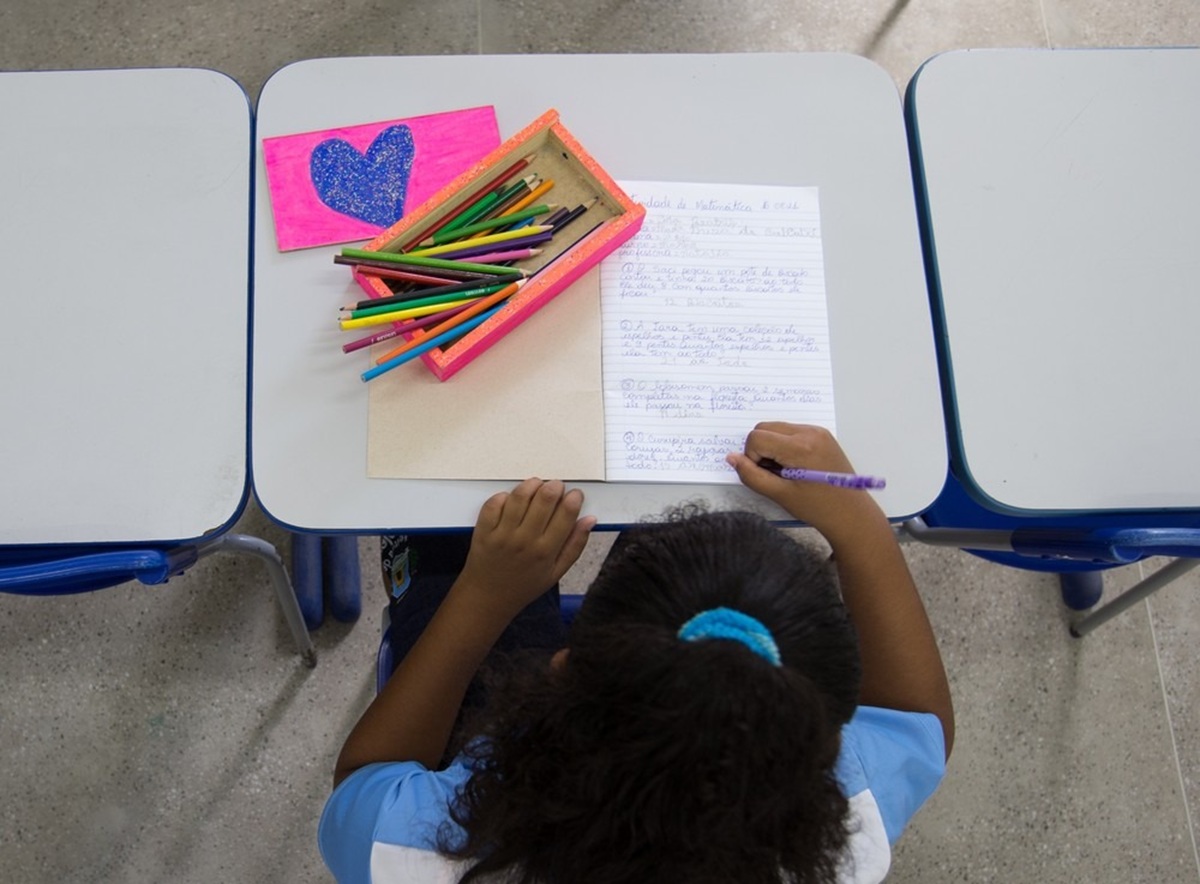

MEC Report Indicates Bahia as the Worst State in Childhood Literacy in Brazil; See Other Northeastern States that Stood Out Negatively
Brazil did not achieve the childhood literacy target set by the federal government.
The Ministry of Education (MEC) released the most recent data on Friday (11) and revealed that only 59.2% of children in the public school system are literate by the end of the 2nd year of elementary school.
In the Northeast, three states stand out negatively, with Bahia appearing in the last position among all evaluated in Brazil.
-
Brazil’s “Tuscany” Boasts Award-Winning Olive Oils, Scenic Trails, and Mantiqueira Landscapes

-
Ancient Indian Tunnels Built in 1615 Still Use Gravity to Supply 1.8 Million Liters of Water Daily, Unlike Modern Cities Spending Millions on Pumps and Grids

-
Inspired by a 2000s Wonder Woman cartoon, she amassed 1,581 items, including a comic signed by Stan Lee, becoming the world’s largest collector.
-
Man Mistakes Lottery Email for Spam, Nearly Loses $185 Million Powerball Prize in Australia




National Index Below Target
The target set by the National Commitment to Literacy Child was to achieve 60% of children literate by the end of the 2nd year.
The data released by the MEC, however, shows that Brazil fell short of this goal.
The number was obtained from assessments conducted between October and November of last year.
All public education networks participated in the data collection, which aimed to assess the reading and writing levels of children up to 7 years old.
According to the Minister of Education, Camilo Santana, the main reason for the national decline was the state of calamity in Rio Grande do Sul.
The heavy rains that hit the state between April and May 2024 impacted the educational performance of children.
Drop in Rio Grande do Sul Affected Average
According to the minister, Rio Grande do Sul recorded a sharp drop in the literacy rate.
The index fell from 63.4% to 44.7%, a decrease of nearly 20 percentage points.
Camilo Santana stated that the problem was caused by the lack of access for children to schools due to the climate crisis.
Nevertheless, other states also showed concerning performance, especially in the Northeast, where three of them ranked among the lowest positions in the national ranking.
Bahia Has the Worst Performance in the Country
With only 36% of children literate, Bahia recorded the worst index in Brazil in 2024.
The number represents a decline compared to the previous year and places the state in the last overall position among all evaluated by the MEC.
Just above Bahia are Sergipe at 38.4%, and Rio Grande do Norte at 39.3%. These are the three worst performances in the Northeast Region.
The data shows a persistent difficulty in these states to ensure the literacy of children by the age of 7.
Difference Within the Northeast Itself
Despite low results in some states, the Northeast also hosts the state with the best performance in the country: Ceará, which reached 85.3% of literate children.
The contrast within the same region is significant.
Other states such as Pernambuco (60.8%) and Piauí (59.8%) also presented numbers close to the national target.
Meanwhile, Maranhão (59.6%) and Paraíba (56.0%) fell below, but with results well above the three lowest ranking states in the region.
Alagoas had 48.6%, an index also considered below expectations, but less critical.
What It Means to Be Literate
According to Inep, an agency linked to the MEC, a literate child is one who can read short texts and extract basic information.
This includes interpreting comic strips, understanding images with simple texts, and writing short sentences, even if with spelling errors.
The concept used in the assessments is based on practical criteria from everyday school life, focusing more on the functionality of reading and writing than on absolute formal correctness.


