Portuguese
  Spanish


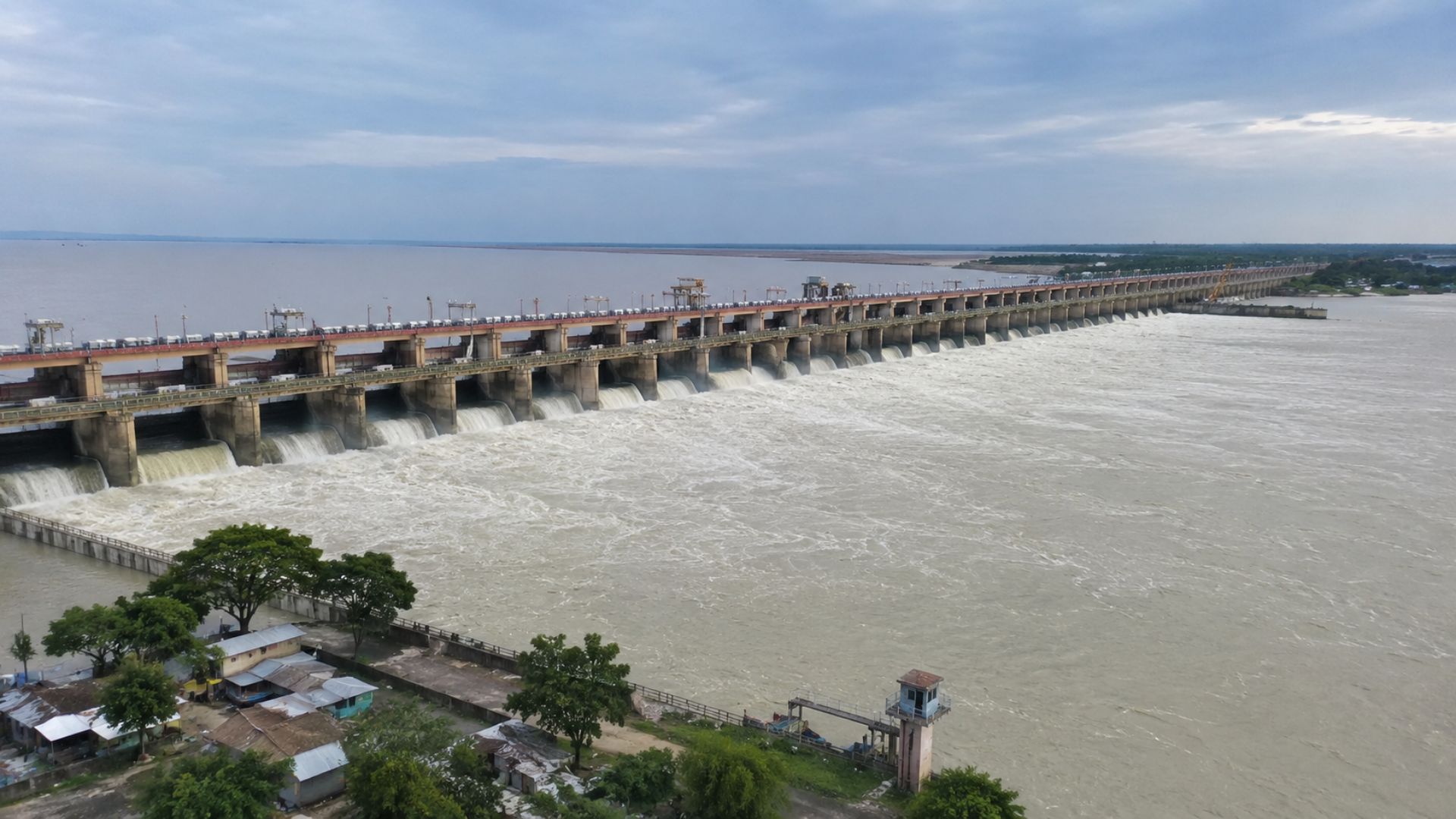


Billion-dollar project approved in Bangladesh aims to enhance water security, reduce the effects of scarcity during the dry season, and lessen historical impacts caused by the dispute over the waters of the Padma River, essential for agriculture, urban supply, and environmental balance in the Asian country.
Bangladesh has approved the first phase of the Padma Dam project, a planned construction to store up to 2.9 billion cubic meters of water and enhance water security in areas affected by the reduction of river flow during the dry season.
With 2.1 kilometers in length over the Padma River, the structure is expected to benefit approximately 70 million people, according to estimates presented by the local government during the official proposal announcement.
Moreover, the Executive Committee of the National Economic Council authorized the initial execution of the project, whose cost was estimated at 344.97 billion takas just in the first phase of implementation.
-
400 km² of Greenhouses in Almería, Spain, Astonish American Visitor by Producing Millions of Tons of Produce for Cold-Weather Markets

-
Antarctic Volcano Emits Microscopic Gold Particles That Travel Up to 1,000 Kilometers Across the Continent
-
Little-known Japanese factory is the world’s largest zipper manufacturer, producing 7 billion pieces annually and closing half the world’s pants.

-
Brazilian Factory Recycles One-Third of the Country’s Styrofoam Waste, Matching European Levels with 51,000 Tons Reused Since 2007


The proposal also includes the recovery of river systems, reduction of saline intrusion, and strengthening of agricultural irrigation in Bangladesh, a country where rivers play a decisive role in both food production and population supply.
Padma Dam seeks to reinforce water supply
During the monsoon period, the dam is expected to retain large volumes of water for use in months of lower flow, when various regions of the country face difficulties related to supply and irrigation.
For the government of Bangladesh, the strategy is considered essential in tackling water scarcity, especially in rural areas that directly depend on agriculture and the regular functioning of irrigation channels.
“At least 70 million people, that is, one-third of the country, will benefit from this project,” stated the Minister of Water Resources, Shahid Uddin Chowdhury Anee, when commenting on the approval of the construction.
Anee also linked the construction of the dam to the effects of the Farakka Barrage, operated by India on the course of the Ganges.
Upon entering Bangladesh, the Ganges is called the Padma, a river that supports agricultural activities, local supply, and ecosystems in different areas of the country.
Dispute between Bangladesh and India involves waters of the Ganges River
For decades, the division of the waters of the Ganges-Padma system remains among the most delicate issues in the diplomatic relationship between Bangladesh and India, especially due to the strong agricultural dependence existing in both countries.
Built by India and operational since the 1970s, the Farakka Dam was designed to divert part of the water during the dry season, altering the volume that reaches Bangladeshi territory.
According to Bangladesh, the reduction in flow has intensified problems related to supply, the advance of salinization, and the loss of productivity in rural areas heavily dependent on rivers.
Meanwhile, Indian authorities have historically maintained that the structure is necessary and argue that Bangladesh also needs to expand the efficient use of its own water resources.
In this context, the new dam appears as an attempt by Dhaka to gain more control over internal water storage.
The Bangladeshi government presents the work as an infrastructure response to an old problem, but without ending the diplomatic dimension of the dispute.
Agriculture and irrigation are among the focuses of the project
In addition to expanding water supply, the Padma Dam was approved with the aim of strengthening irrigation systems and reducing the effects of saline intrusion in regions considered more vulnerable.
This advance of salinization occurs when saltwater invades freshwater areas, compromising crops, fishing activities, human consumption, and the environmental balance in different parts of the country.
As agriculture holds significant weight in the economy and food security of Bangladesh, water availability during the dry season has become a strategic priority for the government.
The project also aims at the recovery of degraded river systems.
According to information released by local outlets, the first phase was structured to reach important parts of the country, including regions linked to the divisions of Khulna, Dhaka, Rajshahi, and Barishal.
Bangladesh faces climate pressure and water challenges
Between severe floods and prolonged periods of scarcity, Bangladesh has been living for years with water extremes that pressure infrastructure and increase the challenges related to the management of natural resources.
Recently, pre-monsoon rains combined with increased flow from India raised river levels in the northeast of the country and threatened rice-producing areas, increasing the concern of local authorities.
In this scenario, water planning has become even more complex, as the country needs to store enough water for dry periods while also facing floods, erosion, and structural damage caused by the rapid rise of rivers.
The approval of the Padma Dam also occurs before the expected end of the Ganges water-sharing treaty between India and Bangladesh, cited by the Indian press as a relevant point in the bilateral debate.
With the new structure, Bangladesh seeks to reduce dependence on upstream flow and strengthen its internal management capacity.
The project, however, will still depend on technical execution, full funding, and the government’s ability to manage environmental and social impacts associated with an intervention of this magnitude.